Prohibition by the Numbers

Why Ban Alcohol?

picture1.png
picture3.png

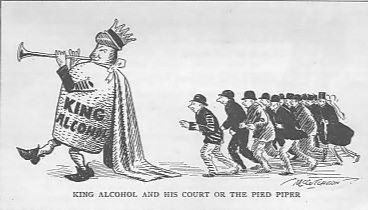
The United States had a drinking problem. At the turn of the century, alcohol was beginning to be seen not as natural or medicinal, but as a vice that attacked those who consumed it. Alcohol consumption was also primarily a male problem due to social pressures that kept most women in the home and out of the saloon. In a time when men primarily controlled family income, alcoholism had an outsized impact on dependent wives and children. The early 1900s was era of reformers, and with a newfound focus on health and the rights of women and children, it was natural that drinking would come under attack. Sides were formed between the “Wets” and the “Drys”, and an increasing number of Americans began to call for the ban of liquor.

picture2.png

In 1920 the18th amendment was added to constitution, banning the sale if intoxicating liquors. This law was given teeth by the Vosted Act that allowed for enforcement.

Unfortunately, alcohol was woven into the fabric of US society, and it not fade peacefully into the night. Instead, Alcohol consumption was driven underground, and criminal elements rapidly gained control of supply and production. Though organized crime existed before prohibition, criminal groups received a major boost in income and publicity from the ban. Throughout the 1920s “wets” gained renewed support, painting prohibition as a source, rather than a cure, for crime and debauchery.

There were several legal sources of alcohol during prohibition. Doctors could prescribe it for medicinal purposes- a clause that was often abused. Over the course of prohibition, it is estimated that the medical community made more than $40 million dollars form illicit prescriptions. In order to appease rural populations, the Volsted act also allowed for home-brewing of wine and hard cider.

The prohibition experiment finally ended in 1933 with the push of the great depression creating a vested interest in the tax revenue that the sale of legal alcohol would bring in.

What about Scott County?

Group standing with kegs and beer. Taken in Shakopee between 1921 and 1928. Image from the SCHS collections.

Group standing with kegs and beer. Taken in Shakopee between 1921 and 1928. Image from the SCHS collections.

Minnesota a whole was in favor of Prohibition. The “Prohibition Party”, a political organization that put forth Dry and pro-suffrage candidates (the movements were closely linked) elected it’s first state candidates in 1871. Andrew Volsted, the imfamous author of the Volsted act was born in Goodhue County and attend St Olaf College. He served in the US House of Representatives from the 7th district of Minnesota from 1903-1923

Unlike the state at large, these Dry sentiments were not popular in Scott County. At the turn of the century, the county was overwhelmingly German and Czech, immigrant groups that were largely against prohibition. In fact, the specter of Prohibition was enough to completely alter the county’s voting habits. In the presidential election of 1920 and before the county voted largely Republican. In 1924, the Socialist 3rd party candidate won the majority of votes, and by 1928 the county mostly voted Democrat- a dramatic change that occurred without any major demographic shifts.

Prohibition By the Numbers

Alcohol-Related Arrests in Scott County in a single month, March of 1921

Jordan: Four arrests. It was claimed that 100 gallons of liquor were seized, 25 coming from one house alone.

Belle Plaine : Three arrests, including 10 gallons from a single restaurant

New Market: A man was arrested after drunkenly bragging that he had already made $16,000 ($225, 000 in 2018’s money) from the sale of illicit liquor

Shakopee: Only one arrest…this was not because Shakopee was low in crime, but rather because complicit police were tipping people off to the raids.

Scott County Presidential Election Results During Prohibition
Or, How the Right To Drink Flipped the Polls

1920
Republican: 69%
Democrat: 29.7%

1924
Republican: 29.3%
Democrat: 18.3%
Socialist: 52.4%

1928
Republican: 28.1%
Democrat: 71.7%

1932
Republican: 18.7%
Democrat: 80.6%

Scott County Ethnicities in 1920

German: 47.1%
Czech: 23.3%
Norwegian: 7.7%
Swedish: 3.6%
Irish: 2.8%
Canadian: 2.6%
Danish: 2.1%

Scott County Population

1860: 4,595
1930: 14,116

Alcohol Consumption Per Capita Per Year in the US

1790: 5.8 gallons
1830: 7.1 gallons
2016: 2.3 gallons

Death by Cirrhosis (liver failure) in US Men

1918: 29.5 / 100,000
1928: 4.7 / 100,000

Written by Rose James, Program. Thank you to Paul Keever for research.

Spooky Times Are Here Again

20120140231.jpg

Well its that time of year again, soon ghosts and goblins will hit the streets in search of candy. Halloween is always a fun time of year, a last hurrah for kids before winter rears its head. Halloween has had quite the transformation over the centuries. It started as All Hallows Eve, and was associated with witches and demons. It was a dark day when you stayed inside and hoped nothing came for you in the night.

Did you know that the first Halloween costumes were meant to scare away evil spirits? I can’t imagine a spirit being too afraid of Charlie Brown is a hole-filled bed sheet, but I can imagine them getting a good laugh.

The turn of the twentieth century, and even a little earlier, saw the waning holiday go from being a day to be feared to one of jokes and pranks. In time, it became the Halloween we know today.

It is little wonder, given the history of the festive and colorful holiday why we still tend to associate fear and other dark things with it. Even today Halloween has an air of unease for some people. The neighborhoods of American before graveyards and haunted mansions, I wonder if those are to scare away evil spirits too?

So before the weather decides to turn its old familiar Minnesota Cold, let’s have one last night of spooks and jokes at the expense of whatever evil spirits might still linger. After all, the reward for be brave and going out is the best one of all some sweet, sweet candy!

Ring Ring!

Today, our phones are permanent fixtures in our lives. Most Scott County residents take their capacity for instantaneous global connections for granted. Telephones first came to Scott County In the 1880s, and quickly changed the face of county-wide communication. First citizens relished the ability to talk to their neighbors. Soon, they wanted the ability to communicate with the wider world.

From the Scott County Argus, June 1, 1933

From the Scott County Argus, June 1, 1933


By 1882, Joesph Strunk of Strunk’s Drug Store convinced the Bell phone company to run a line connecting Shakopee to the Twin Cities. The company was initially resistant to his proposal, claiming that Shakopee was not large enough to be worth the effort. Strunk finally got his wish by agreeing to pre-pay for $500.00 of long-distance calls as an offset the $1200.00 cost of installing the line. By 1886, other businesses around Shakopee had hired “unlicensed local talent” to connect their businesses to Strunk’s long distance access. Before long, the web of lines had spread throughout the county. These were not private communication networks. For many years, Scott County had party lines.

If you haven’t heard of this concept, when using a party line you picked up the phone and talked to an operator. That operator then physically moved a plug to connect your call. There were only so many lines, and only one person could be on them at once. If you were on the phone, your neighbor would hear the call when they picked up the receiver, and would be unable to place a call themselves until you were finished.

“All A’s For Alice” From the Shakopee Argus Tribune, March 20, 1947

“All A’s For Alice” From the Shakopee Argus Tribune, March 20, 1947


At the telephone’s conception, the first telephone operators were teenage boys- it was an entry level part time job, similar to getting a job at McDonalds or as a grocery clerk today. Early customers complained about the disrespectful tone and language of these operators. Alexander Graham Bell  had the solution of replacing one of them with a women. At the time women were thought to be naturally more patient and soothing. By the end of the 1880s, the job of telephone operator was considered exclusively a female trade.

Telephone employees, operators and linesmen. Belle Plaine, 1900

Telephone employees, operators and linesmen. Belle Plaine, 1900

Telephone Operator, New Prague 1910

Telephone Operator, New Prague 1910


Unfortunately once the job of telephone operator became to be know as exclusively female, the pay (predictably) lowered. Emma Nutt, the first American female telephone operator who was picked by Bell himself made only 10$ for a 54 hour week.

In 1919, East Coast telephone operators went on strike, shutting down phones across New England and eventually won a wage increase.

This movement for equitable pay in the Telephone industry hit Scott County as well. On April 3rd, 1947 the following ad appeared in the Shakopee Argus Tribune

Shakopee Argus Tribune,  April 3rd, 1947

Shakopee Argus Tribune, April 3rd, 1947

In spite of the company’s unusual bid for public sympathy, on April 2nd the Shakopee phone operators, along with two linesmen, went on strike

Shakopee Argus, April 10, 1947

Shakopee Argus, April 10, 1947

Telephone operators remained a fixture, and almost exclusively female one, for a long time. 1973 saw a national strike of female Bell operators. Along with the strike, the women filed a complaint with the EEOC. They pointed out that almost all operators were female- a low wage job with little advancement, while better paying management and repair positions were almost all male. The company responded by hiring more men to be operators, but other positions remained bereft of women.

Operators remained an essential part of telephone service until the late 1990s, an occupation that lasted over 100 years in spite of changing technology. The job even outlasted Strunk’s Drug Store which finally closed in 1977

Today, Scott County residents (along with the rest of the globe) independently operate the vast communication powers of their own phones- for better or for worse. Come visit the Tools of the Trade exhibit at the Scott County Historical Society to try out several eras of Scott county phones, or harness the powers of your own phone and check out our upcoming events at scottcountyhistory.org

Written by Rose James, SCHS Program Manager

Where Did My Office Go!?

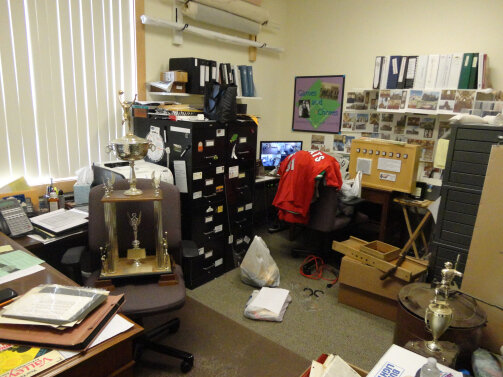
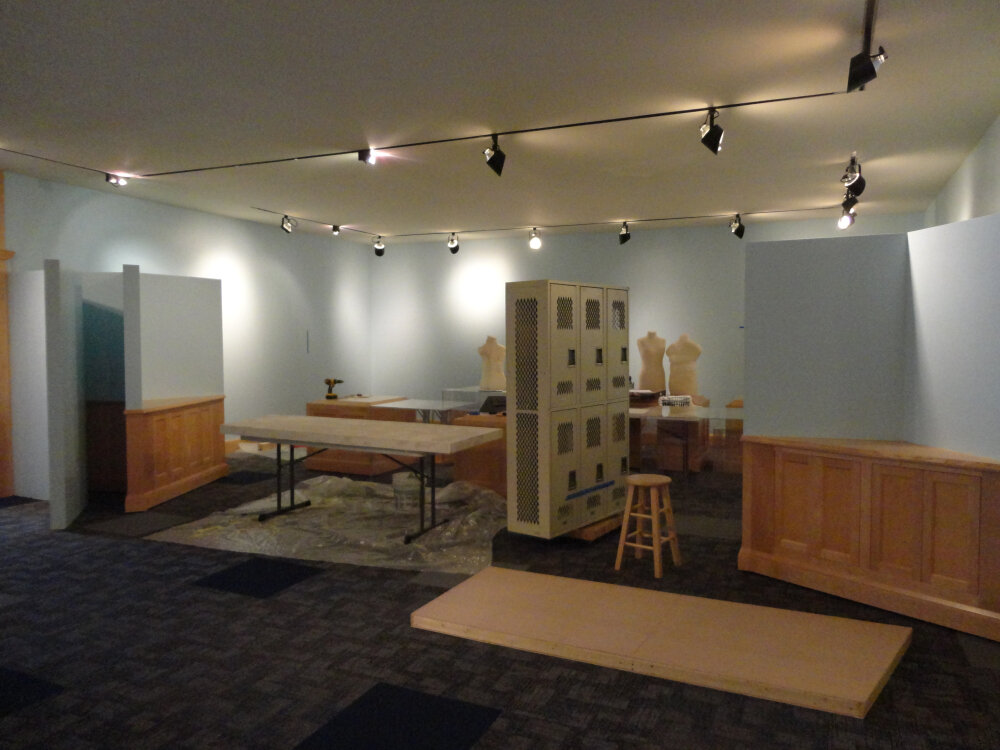
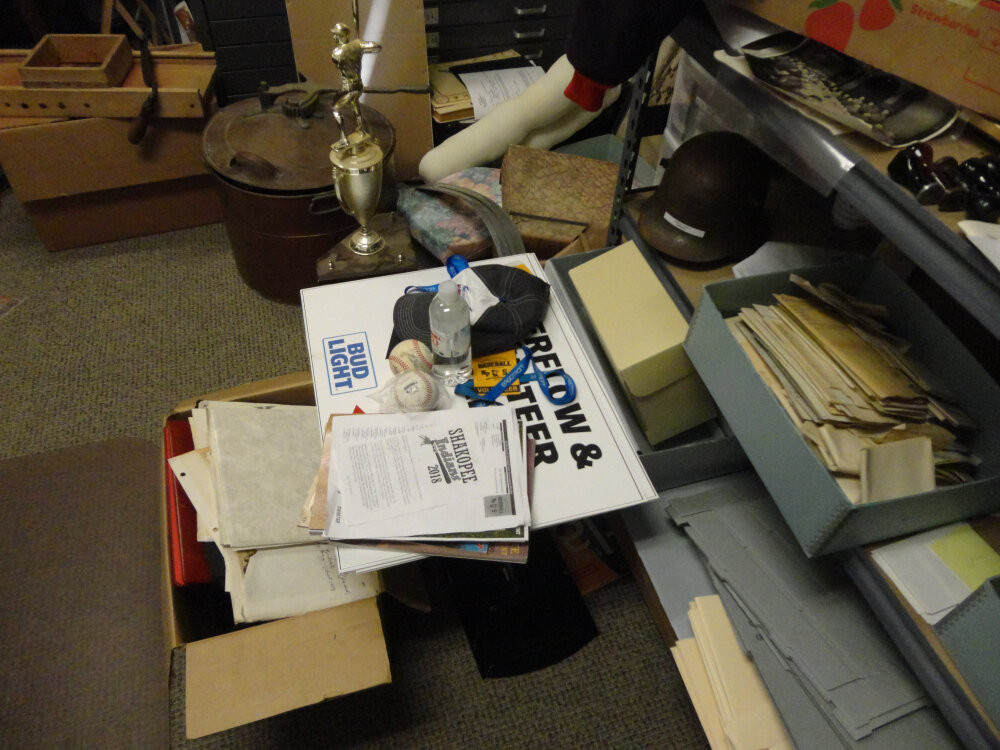
I feel it is important to give everyone at look at what it takes to put exhibits together. Seldom does the general public get to see the behind the scenes of putting together an exhibit. It is a thrilling and exhausting process. For months now we have been gathering artifacts and stories, building walls and connections, and putting together stories from across the county. The exhibits you see at the Stans Museum take months to develop and design. Physically putting them together can sometimes be the easiest part, once the research and planning is finish. Now while it is important to discuss all of this, there is one other, more humorous aspect to exhibits that I would like to share. That is of course, my vanishing office.

As you can see, it seems to have disappeared beneath baseballs, jerseys, trophies, and all manner of other sports memorabilia. In plain view is a Prior Lake Basketball Trophy that gets to enjoy my chair more than I do. Pictures and baseballs line the tables and shelves, not to mention the baseball team of my own I could field with all the jerseys. Granted the team would be confused when they all got jerseys from different teams, but that’s part of the fun. While I hope my office will reappear once the exhibit goes up, this seemed a good opportunity to get in a small laugh, and show the fun that we can get up to at the museum. Play Ball opens September 27th and we hope you enjoy it.

Flashback: 1968

On Saturday the Scott County Historical Society will be celebrating its 50th Anniversary!

39869138_10156794884863701_3644012436186464256_n1.jpg


We are marking the event with a full day of games, music, food and crafting in the Stans Garden.  Indoors (in addition to our regular exhibits), SCHS will pay tribute to the year of our formation, 1968. You will have the chance to test your knowledge with a 1968 trivia game, and take some snapshots in a retro photo-booth.


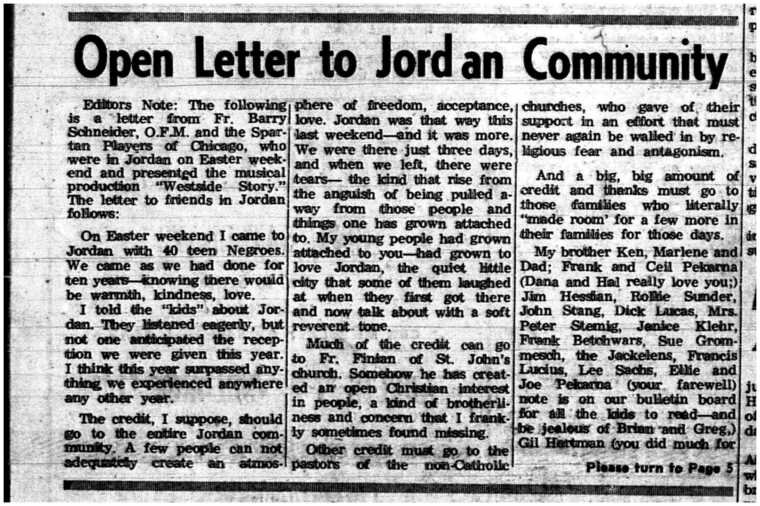
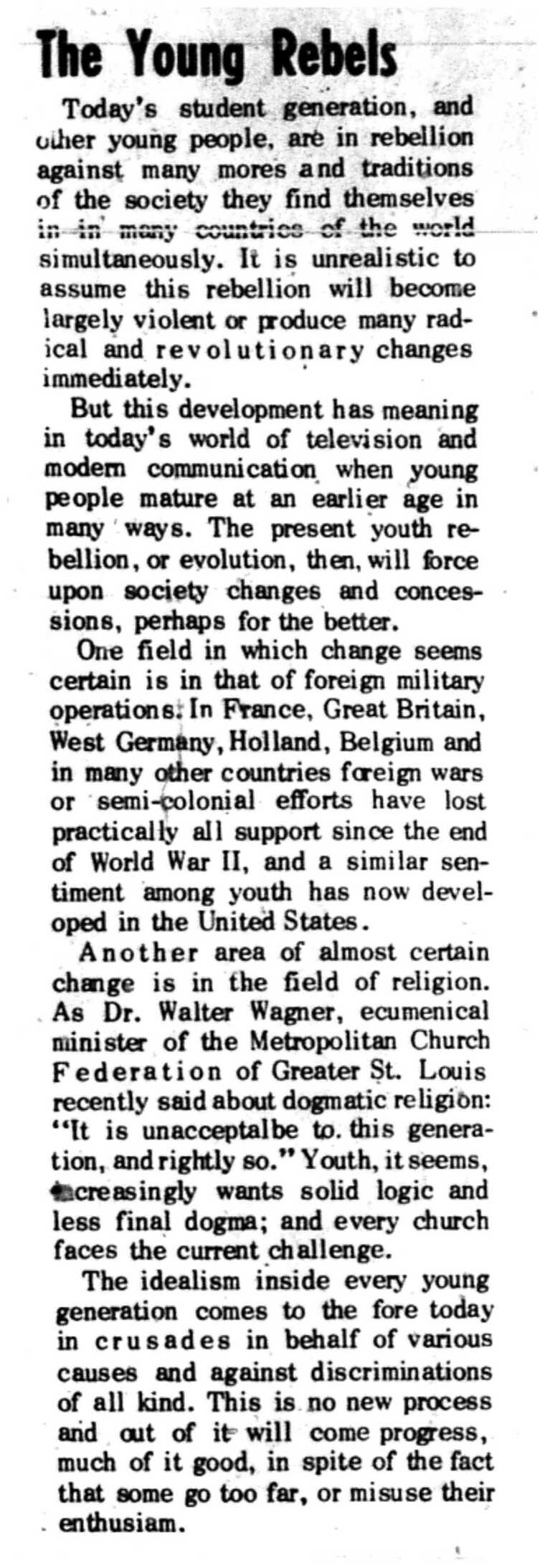
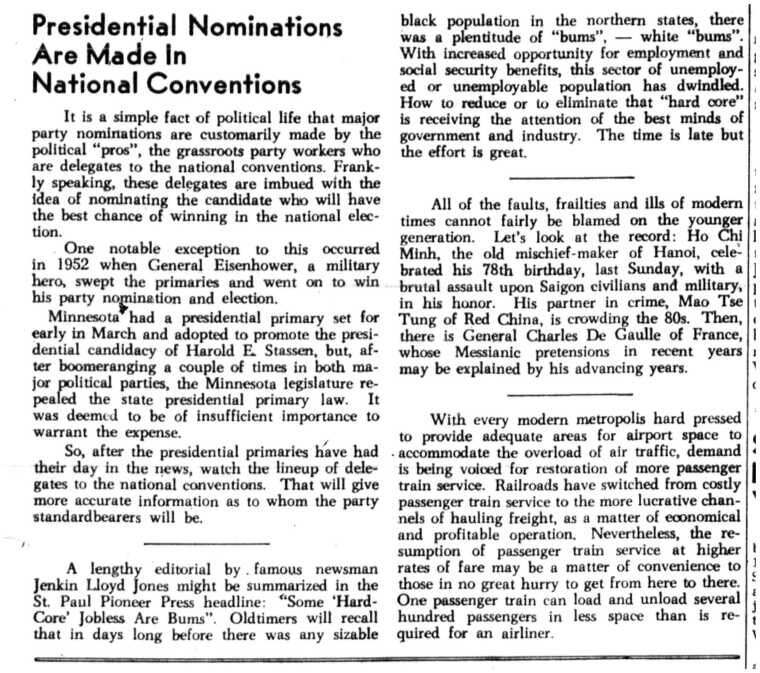
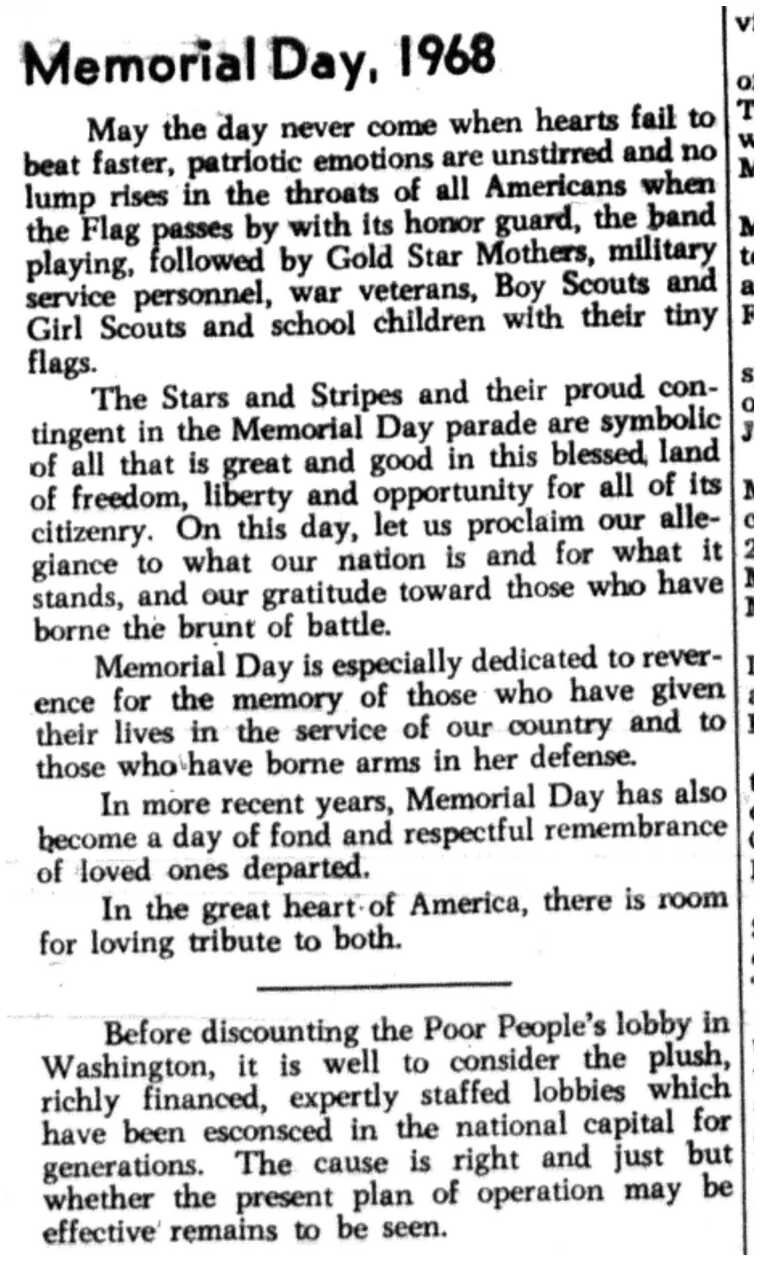
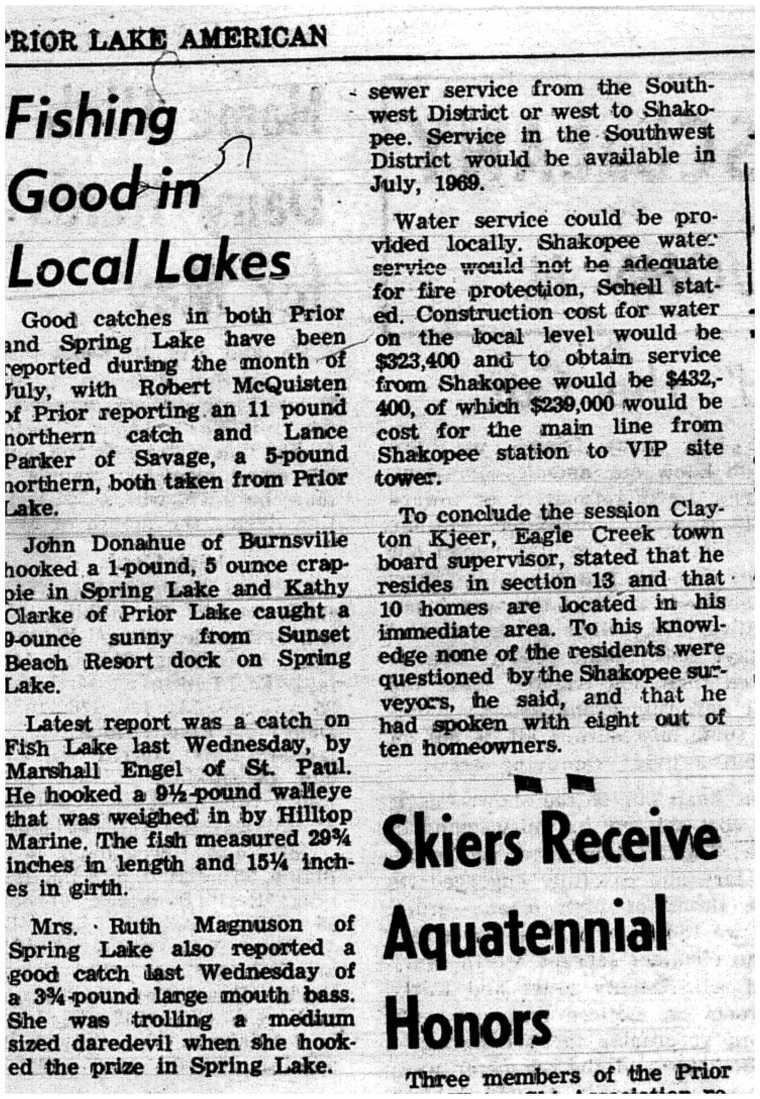
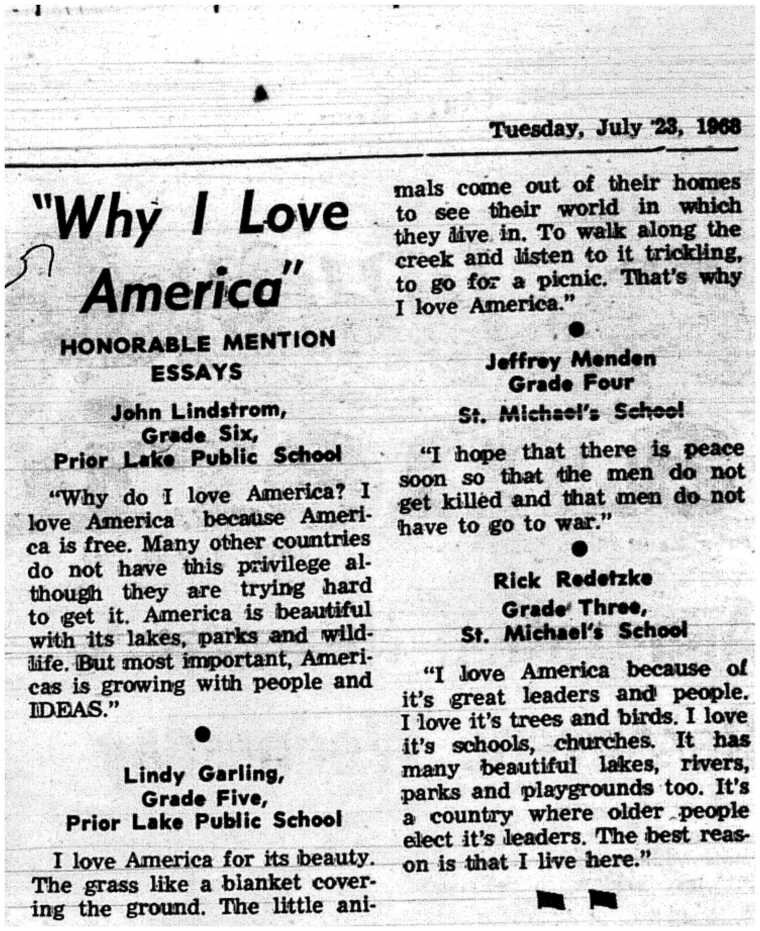
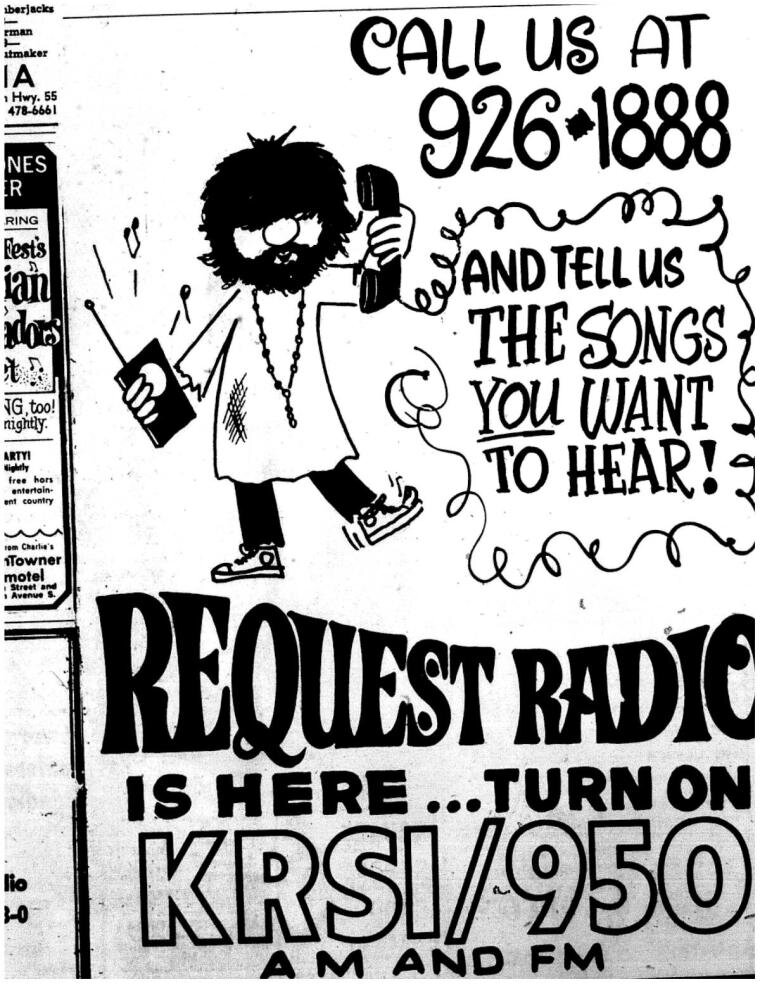
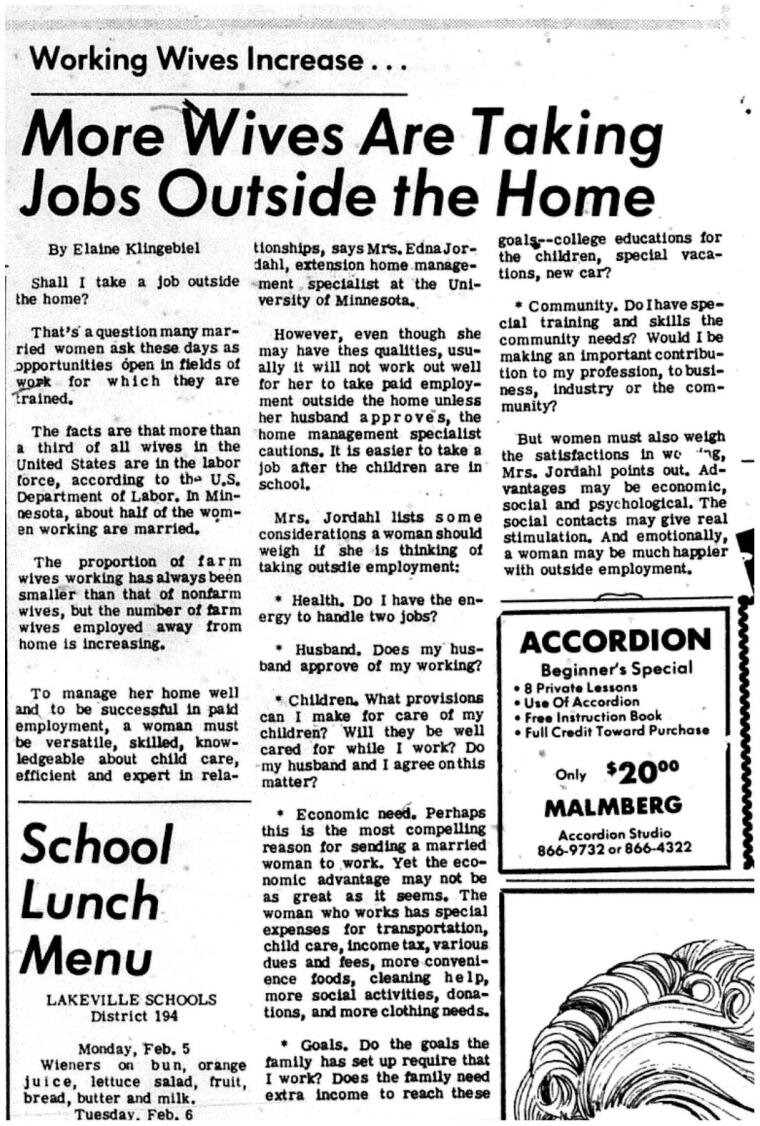
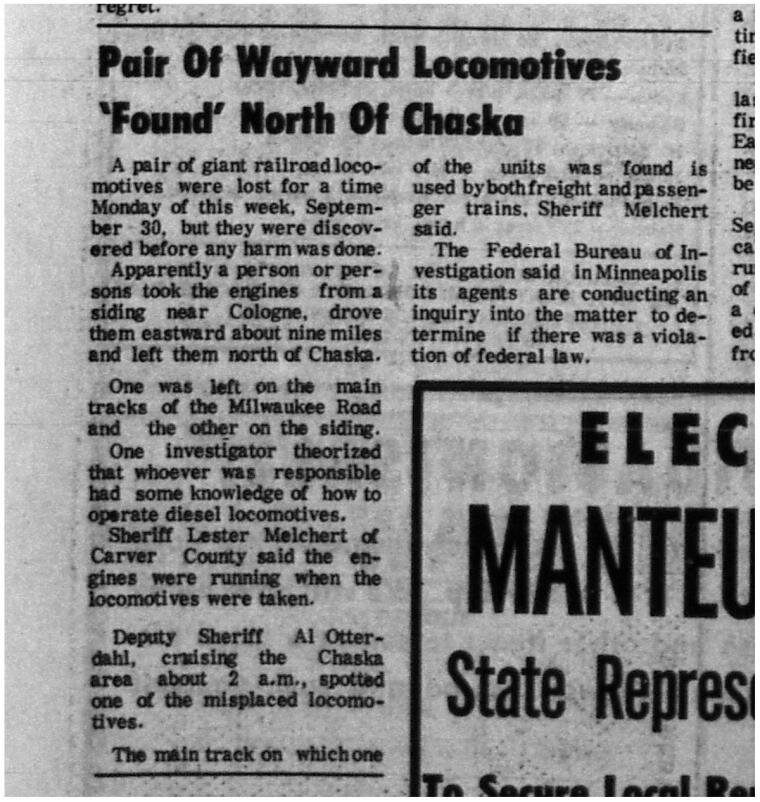
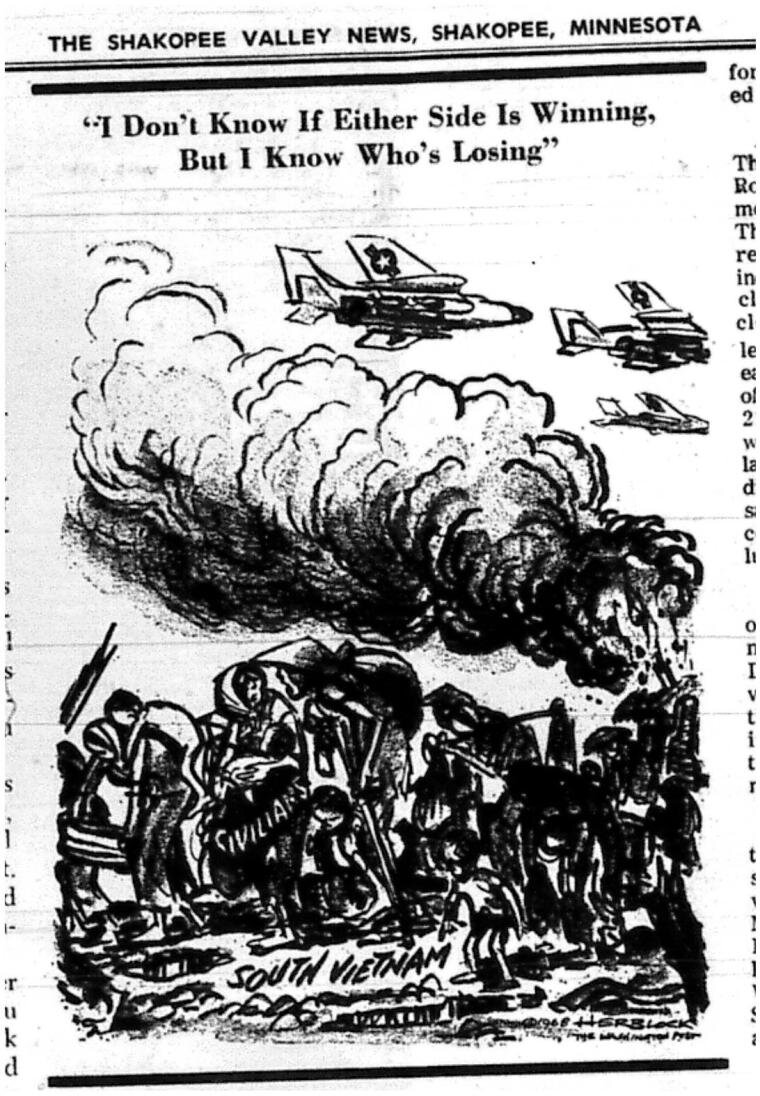
 We’ve also taken this opportunity to take a look at what was going on around the county 50 years ago in 1968. Below are some articles and cartoons that graced Scott County’s papers that year:

Belle Plaine 

0001.jpg
0001-2.jpg

Jordan

New Prague

Prior Lake 

Savage

Shakopee

There will be flip books available on Saturday with more articles, giving a snapshot of the highs and lows, triumphs and losses and everyday stories of the county and this nation. We are excited to celebrate 50 years, and we hope to see you this Saturday from 10-3 at the Stans Museum. Thank you for a great half century!