Platting It All Out

Maps provides us with information regarding the changes occurring in our county over time.  Things like street maps, political maps and topographic maps are all names we have probably heard before. That’s because they’re important and not only for historians.  Street maps show us the evolution of our roadways and the changing shapes of our cities.  Political maps show us the location of our cities and the shapes of our counties.  Topographic maps show us how the very land has been shaped and reshaped over time with the influence of human populations. These all provide important information for daily use and historical information.  Of course there are more types of maps then just these three and one in particular that is worth discussing for historical interest.  That is the plat map.

19980140108.jpg

Plat maps have a much narrower focus than any of the other maps already discussed. These maps cover only a small section of a city.  Plat maps like this were made when a land owner or land owners had their land surveyed and divided into plots. Generally this land is sold to others plot by plot.  For people interested in buying any of these plots, the plat map is useful for providing necessary information about what is available on those plots of land.
199801401011.jpg

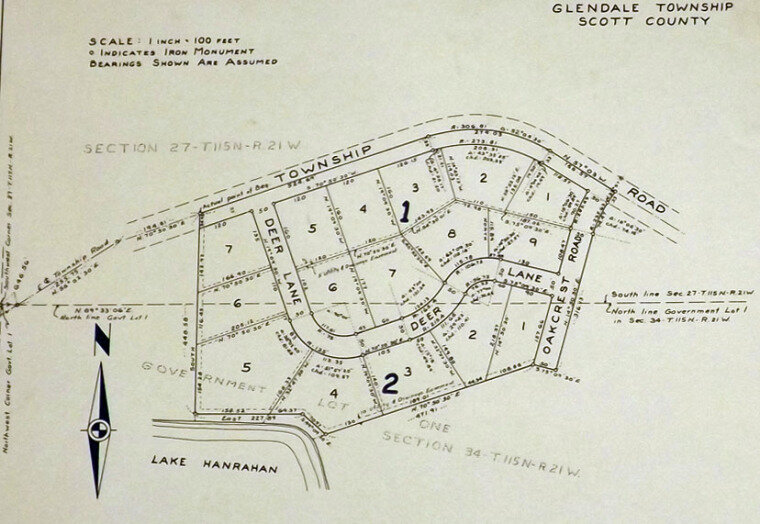
Looking at this closeup we can analyze the plots of a plat map more closely.  Significant for every plat map is the compass as seen prominently displayed in the lower left of this image.  This helps show how this map is orienting its depiction of the land and helps to more accurately determine how a plot of land is shaped when inspecting it.  A plat map tells us the size of a plot.  Looking at the plot in the upper left hand corner labeled with a 7, we see other little numbers running along the insides of the polygon.  These numbers inform us that the southern side of the property is 166.90 ft., the eastern side is 135 ft., the northern side is 120 ft., and the western side is 142.92 ft.  Prospective land owners are also given information such as how their property faces roadways and how lakes and rivers interact with plots.  We can see here that plots 4 and 5 of the second section are lakeside properties, having borders along Lake Hanrahan.  Plats also indicate if part of your land is designated as an easement.  Depending on what type of easement your property has, the indicated section can be used for purposes other than the owner’s, such as building a new public roadway.  So, for a potential land owner, a plat map can help you learn what you’re getting from a piece of land.

19980140099.jpg

For historians, old plat maps provide a lot of information about ownership.  For the two plat maps seen above, we are seeing the land as it was surveyed and originally divided into plots.  Plat maps also provide us with the dates of when surveys of land took place as well as giving us the names of others involved in this whole process.  The names of these original land owners can often be seen on street names in the neighborhoods that they once owned.  If you’re ever wondering where a strange street name came from, it could very well be this exact situation.

As plots are sold the names of the buyers are included in future updates of plat maps. This way, by looking at plat maps you can learn the land ownership history  of an area. This is useful for city or county history but could also come in handy for researching family history.  If you’re looking for a plot of land that an old relative owned, find the right plat map and you’re on your way.  So whether you’re a historian or a perspective land owner a plat map is a useful piece of information.

If you would like to learn more about map making or if you’re curious about the history of the city of Prior Lake has then visit the Prior Lake City Hall starting 8/11/2017 to see the exhibit Finding the Way: Map Making in Prior Lake.

Written by Tony Connors, Curatorial Assistant.
A Successful Partnership: 81 Years of Rahr Making Malts in Shakopee

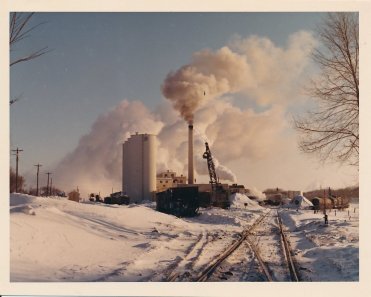
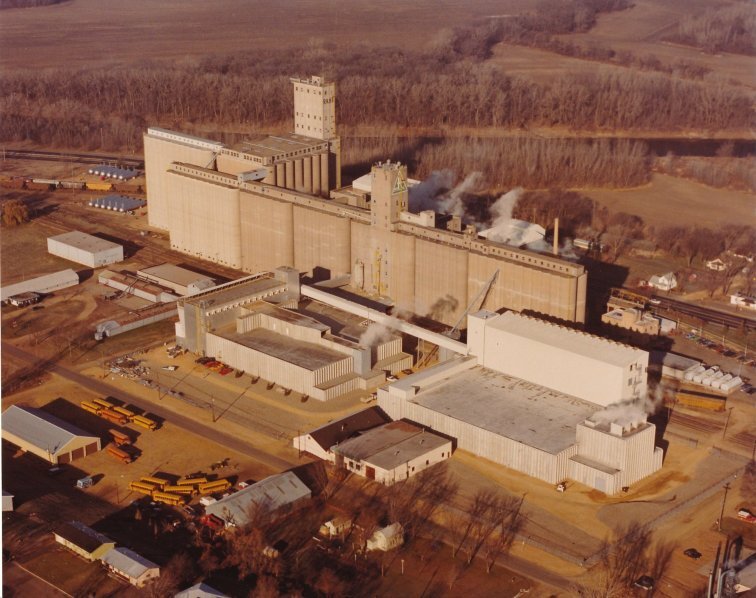
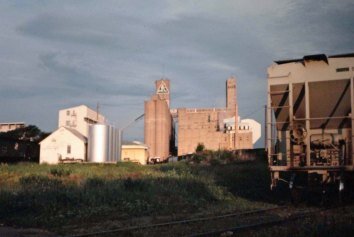
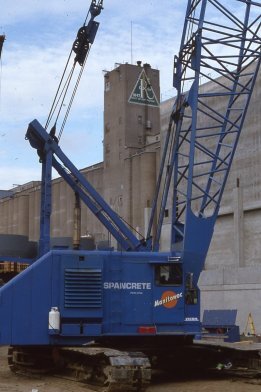
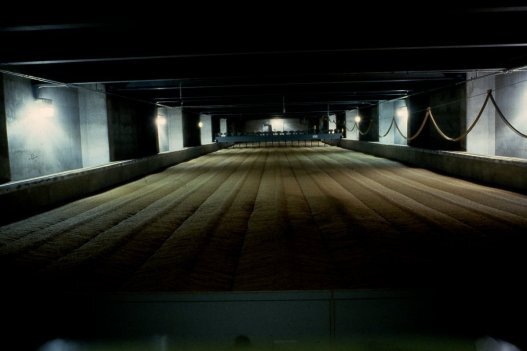
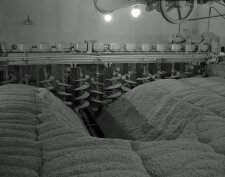
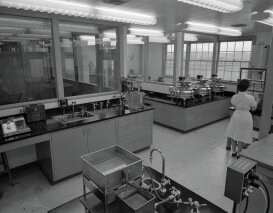
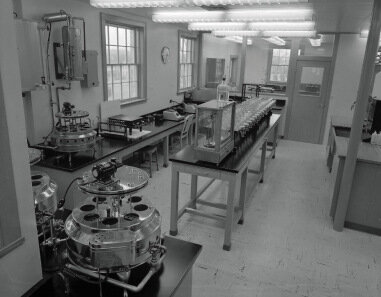
Continuing our inventorying of the photographic work of LeRoy Lebens here at SCHS, one of the more prevalent themes of his catalog is local businesses and their development. His photographs capture the construction and activity of many businesses throughout Scott County. However, one business seems to stand out among all the others, both in terms of numbers of photos and physical size, the Rahr malting plant in Shakopee. We thought it would be interesting to share a few of these images with you, along with a little background on this longtime member of the Scott County business community.

The Rahr family began a brewing business under the direction of German immigrant William Rahr in 1847 along the shores of Lake Michigan in Manitowoc, WI. Malted barley grain, necessary to the brewing process, was also produced by the family. It was this second factor that would ultimately prove to be their greatest success. Within a short time, Rahr began selling their excess malt to other breweries throughout the Midwest and eventually this became their primary focus until prohibition swept through the country in 1920. To survive prohibition, Rahr produced malt for use “near beers”, coffee, and dairy products. Fortunately for Rahr, as well as everyone else, prohibition came to an end in 1933 and they could again produce malt for a thirsty population.

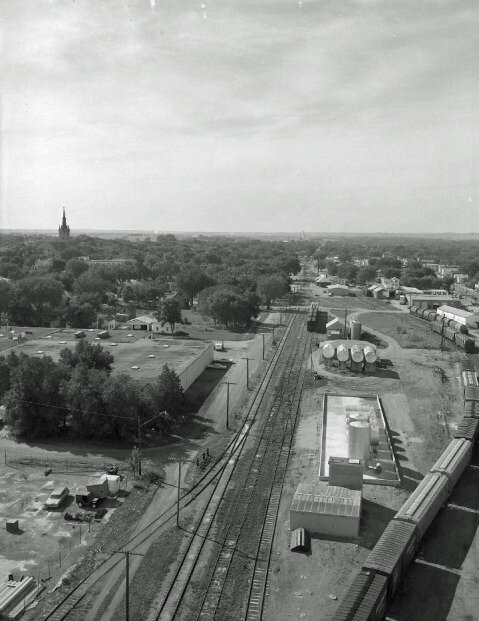
Eager to reclaim its former dominance in malting for brewers throughout the Midwest, Rahr looked to expand beyond its Manitowoc location and built a state-of-the-art facility in Shakopee in 1936. They had many reasons for choosing Shakopee for their new facility. First, the malting process requires an abundance of good water, which the aquifer here provides at a constant temperate of 52 degrees, perfect for their needs. Second was proximity to barely, at the time the farmlands around Shakopee were producing some of the best barely in the world. Third was access to shipping facilities, ports along the Minnesota River and railroad service from Union Pacific and Canadian Pacific afford the factory the ability to quickly ship orders anywhere. Fourth was proximity to the Minneapolis Grain Exchange, which was the leading barley market in the nation. Rahr also found an eager workforce and a welcoming city in Shakopee, according to a February 6, 1936 article in the Shakopee Argus-Tribune.

This facility is now the largest single-site malt production facility in the world.  Since 1936 the Rahr plant in Shakopee has undergone five more expansions, adding buildings in 1954, 1977, 1981, 1994, and 2016. The facility’s footprint is seven blocks long, two blocks wide, and dominates the skyline with its tall towers which can be seen for miles around. The added capacity has enabled an annual output of 460,000 metric tons of malt, while its 300 storage bins can hold upwards of 8 million bushels of barley. This kind of output makes Rahr an undeniable world leader in their field, providing malt and other supplies to roughly 90 percent of the breweries in the United States, from big names like Anheuser-Busch to the smallest local brewer. Despite having additional facilities in Taft, North Dakota and Alix, Alberta, the Shakopee plant serves as the company’s headquarters where they employ 240 people.

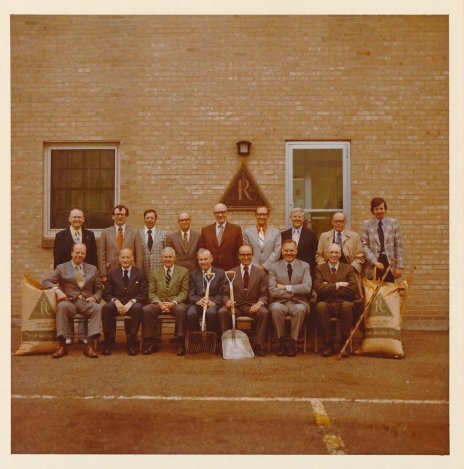
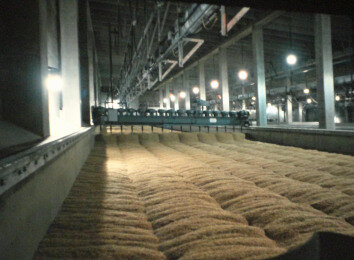
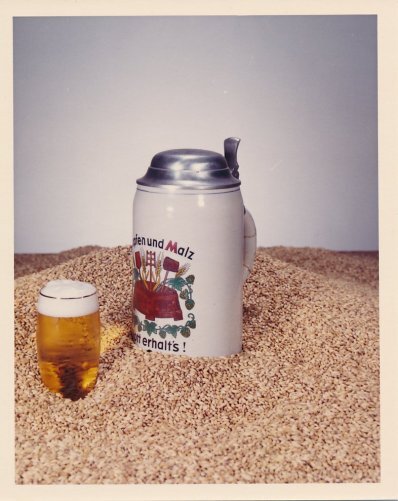
The images we have selected to show here were taken by LeRoy Lebens mostly from the 1960’s through the early 1980’s and show various stages of construction for new buildings, advertising, parts of production, and artistic shots.

Junior High Yearbooks from 1996, 2004, and 2013

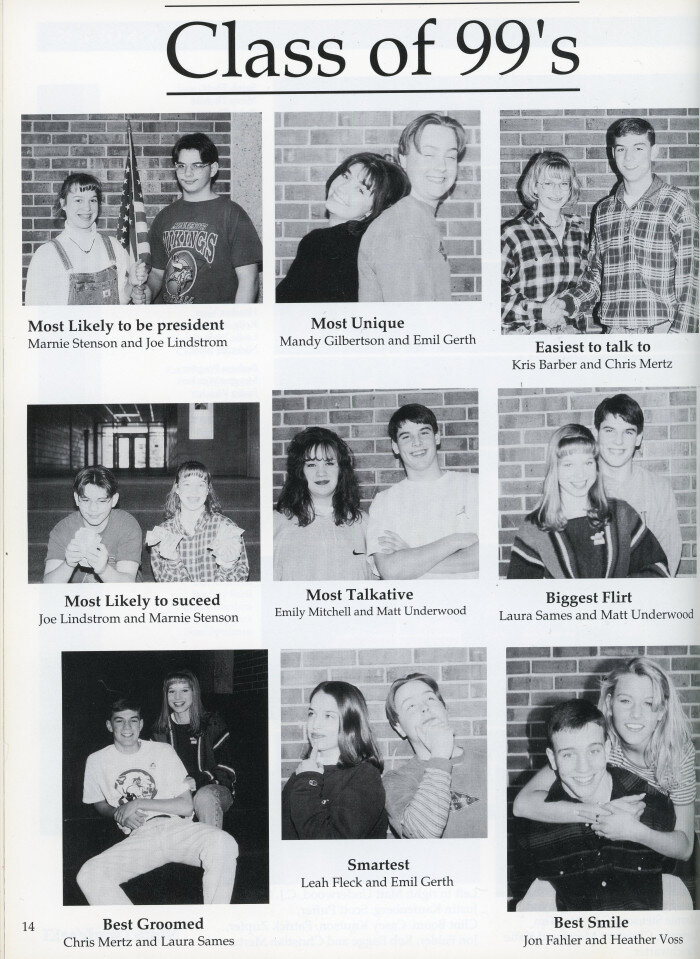
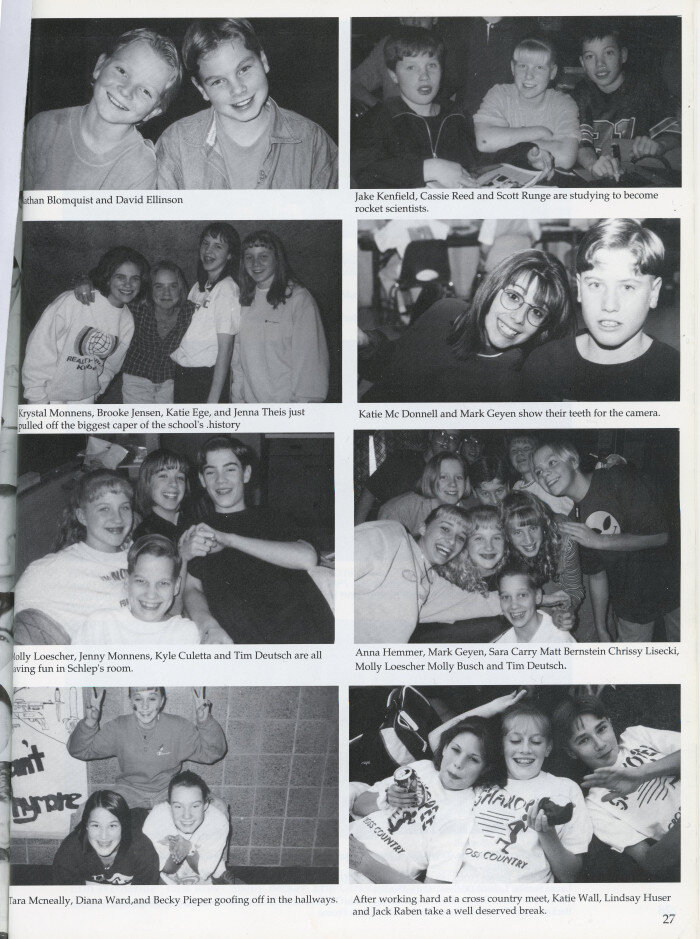
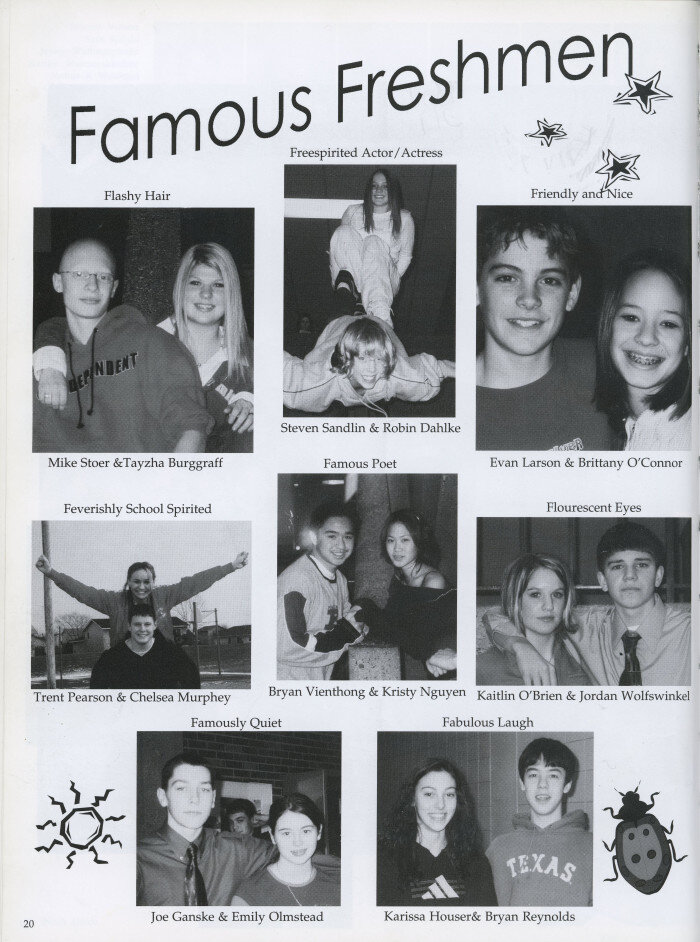
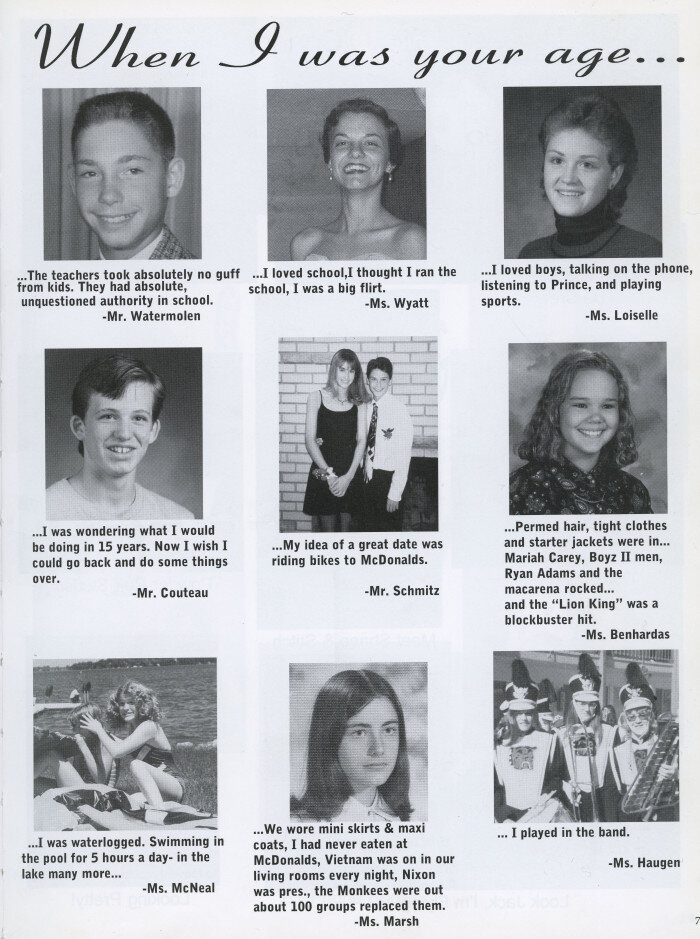
We have an extensive collection of yearbooks, both high school and junior high. Not only are these extremely useful by providing photographs and identifications for an entire generation, but they are excellent glimpses into the past and a fun walk down memory lane. These junior high yearbooks are great examples.

In 1996, the yearbook gave out awards for the best groomed, best personality, most unique, biggest flirt, and easiest to talk to. There are photos of students studying, eating in home economics, and goofing around. (Is it just me, or is the yearbook the only place where goofing off is approved of?)

In 2004, teachers got to have their own say with quotes about what it was like when they were in junior high. The awards are extra fun with categories like flashy hair, formidably outgoing, favored politician, and florescent eyes. There are even a few “edited” pictures when a student didn’t like their photo!

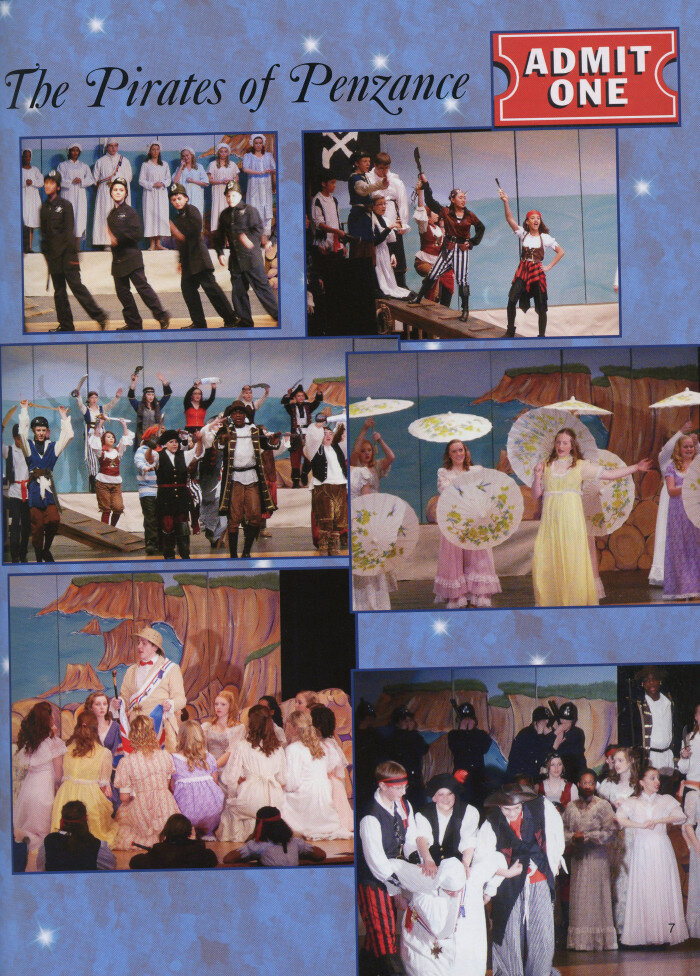
In 2013, there are fantastic photos of the school play Pirates of Penzance, along with a faculty versus freshmen basketball game, and lots of school dances. Students also participated in an anti-bullying day and a spelling bee.

Fighting Fires

Capture.JPG

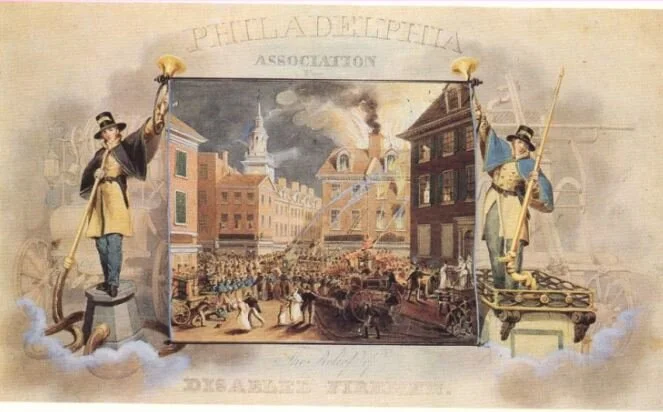
One of the earliest volunteer fire companies, and the first fire insurance company, were both set up in the 1750s by Ben Franklin and his friend Dr. Thomas Graeme.  Fire companies served a social significance  as well as the practical significance.  You can see the social aspect of firefighting playing out in the illustration in the center of the image.  Three hoses are trained on the burning building, and you can trace those hoses to three different fire departments.  They each wear different colored capes: red, black and pale blue, to tell each other apart.  Here, the three bands are acting in cooperation, but that wasn’t always the case.

What does all this as background have to do with Scott County?  The earliest Scott County and Minnesota fire departments were just as much social organizations as their eastern predecessors, only much less violent.  Important citizens were active members of volunteer fire fighting, including George Washington, Alexander Hamilton, Samuel Adams, and Paul Revere.

What did towns do without a fire company: let a house burn or put it out yourself. Fighting fires was everybody’s business and everybody’s job.  As towns expanded and became more dense, the dangers of fire became more serious, and clamor for a fire company grew.

Fighting fires in the 19th century was tricky for several reasons: for one, building materials were easily combustible.  While 1870s Scott County was by no means a new settlement, there were enough log houses to make a general conflagration in a city a major disaster.  Second, sources of heating were dangerous: gas lights, fires, stoves, candles, all contained the possibility of getting out of control and starting a blaze.  Finally, the earliest industries that helped cities grow often contained dangerous possibilities for fires.  Lumber industry, flour milling, textiles, etc.  In fact, one of Shakopee’s flour mills burned in 1885—a very dangerous fire because of the explosive properties of wheat dust.

In 1872 Shakopee had it’s first big fire at the St. Paul and Sioux City railroad machine shop on east First Avenue.  It caused quite a bit of damage to a vital part of the city’s growth and sustenance – the railroad.  In 1879, the National Hotel burned, wiping out an entire city block that contained a grocery, several saloons, and a meat market.

bpfirestation.jpg

Belle Plaine Fire Station

1883 is our starting date—that’s when years of agitation for a fire department finally paid off and a fire department was organized with elected members and three companies: Hook & Ladder, Engine (pumper) and Hose Companies.  Belle Plaine organzied their company in January of 1883 with great success, however the department would dwindle and disband over the next two years.  However, their early success may have inspired Shakopee to organize their company in the fall of 1883.

The Shakopee Fire Department (SFD) has all its original ledger books that record the dates of their earliest meetings, who was present, who was not present and had to pay the absentee fine, and a list of fire calls .  This ledger is of the Hook & Ladder Co.—so not the entire department—and in 1884 their budget was $31.80, a tidy sum for that day, though they received a city appropriation for $2,900 for initial equipment purchases.

The department was always a tight social organization.  But there was a lot of pomp and entertainment to their events.  They held annual Thanksgiving and Christmas balls which were the talk of the town and also helped the department raise money.  The Shakopee Argus reported on their first one in 1883: “The first annual ball of the city Fire Department was held last evening and was largely attended and thoroughly enjoyed.  The firemen were all dressed in their uniforms and presented a fine appearance in their drill…a thoroughly enjoyable time is the unanimous verdict.”

hall.jpg

In America, we don’t talk about class very much.  But some of the earliest visitors to our nation when it was young were amazed at the spirit of community and civic duty that cut across class lines.  The son of a French nobleman, Alexis de Tocqueville, was one of the most astute observers of early American life, and remarked on how, in towns across the county, people felt the duty and desire to pitch in and steer the direction of their community and nation.  This translates down to the Shakopee fire dept., as well.  On its rolls, you see that its members were farmers, butchers, lawyers, shop owners, craftsmen and speculators; blue collar and white collar, sometimes both at once.  Most of them were immigrants.  But they were connected to the growing town and to each other, perhaps by civic duty, by self-interest, or both.

Just as the early town was dependent upon the civic engagement of all its citizens to survive, so were nearby towns dependent upon each other.  Fire calls in Shakopee history have often been assisted by companies from other towns.  Before Shakopee had its own department, St. Paul was one of the only organized fire departments in fledgling Minnesota.  They had men and equipment, like a pumper engine, though it took the department several hours to get here by rail.  Jordan and Chaska were also instrumental in fighting Shakopee’s fires, and it works vice versa.

A page from the first ledger of the department shows part of the fire record for 1884.  It indicates that barns and railroad shops were the unfortunate recipients of fire for the first half of the year.  The Omaha Railroad company shops caught fire twice, and neither fire was ruled accidental but “incendiary.”  It also lists J. B. Conter’s hotel barn as catching fire accidentally for a loss of $2.  Conter’s hotel was Shakopee’s Pelham hotel, later the Merchant Hotel.  The details of early Shakopee society that the ledgers reveal and the services rendered and records kept by the fire dept. are extraordinary.

The first decade of 1900 brought new improvements for Shakopee’s firemen.  The city installed new water mains and fire hydrants for a larger and more reliable water supply.  Hydrants provided their own pressure, so the use of heavy pumpers was reduced.

shakofd-1928.jpg

Shakopee Fire Department, 1928

In 1916, the SDF aquired its first motorized fire apparatus, a Kissel Chemical Fire Engine. That same year, fire broke out at Ries Bottling works (of which we have the letter).  The fire took off because the warehouse that caught fire stored paper, boxes and wooden cases that fed the blaze.  Apparently the Kissel did not perform well at that fire.  Another large fire took place in 1923 at the Minnesota Stove Co.

A pivotal year for the SFD was 1954/5, the year that they got their new building and moved out of the city building on 2nd and Lewis.

station.jpg

Fires included the McMurray building at 1st and Lewis in 1957, the Shakopee Warehouse  in 1962, and the St. Paul House in 1965 which firemen kept at for 16 hours.  Simons Lumber Yard burned in 1968, and was at 2nd and Lewis, visible at left of the picture with the fire bell.

1959 had the worst fire that Shakopee has yet seen, not so much for loss of property or extent of the blaze, but for the only loss of life to occur within the department’s history.  A fire started at Schesso’s garage, a Chevrolet dealership.  The fire was tricky because the fire fed on the gas and oil in and around the cars.  The blaze lasted 6 hours, in the course of which, Max Wermerskirchen, a 28 year old fireman, fell through the roof of the building while trying to break out a skylight to ventilate the building.  The SDF dedicated a  plaque to Max’s memory as the one firefighter to die in the line of duty in Shakopee.

We recommend Caroline Paul’s book Fighting Fire for the women’s side of the occupation.  Her book is grizzly in parts, but a very interesting read.

Original article written by Patrick Rodgers, former curator at SCHS.

Let’s All Go To The Movies!

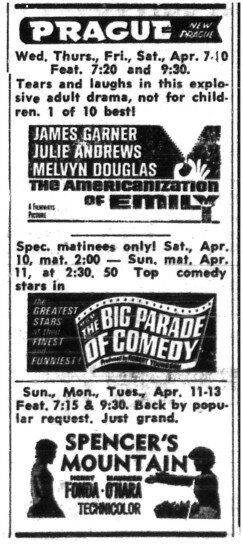
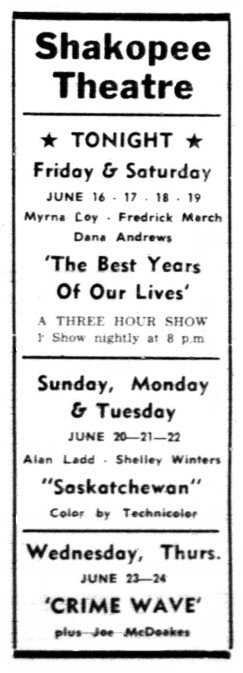
Today we can watch movies at home on or televisions or even on our phones.  But it wasn’t so long ago that the neighborhood theater was the only place to see a movie.

Movies were distributed throughout the county and most towns had their own movie theater.  These theaters usually had one projector, however, early movies were made up of many reels.  Audiences had to wait patiently while the projectionist changed reels, sometimes several times during one film.

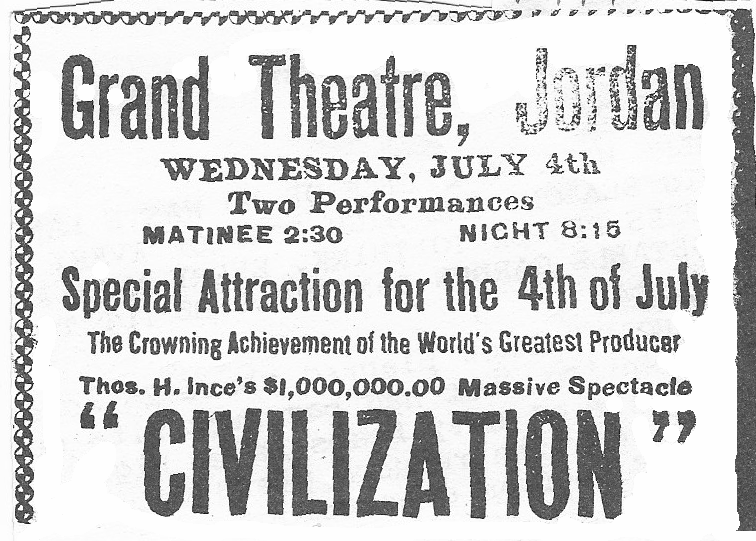
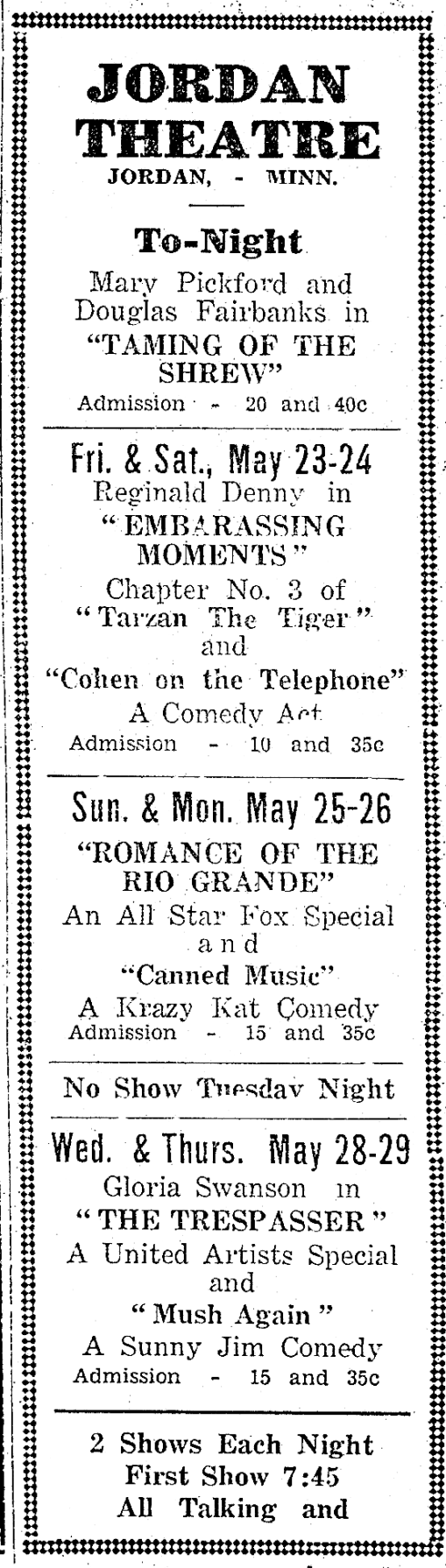
An article in the January 20, 1926 Jordan Independent reported on the installation of a second electric motion picture machine at the local Grand Theater.  They noted “the advantage of the double installation is that patrons now have no wait between reels as formerly, for one machine is ready for continuing projecting the next reel of the photoplay on the screen at the moment the other machine comes to the end of its reel, thus giving the audience a continuous play.  Not many towns of the size of Jordan can boast a double-machine motion picture theater.”

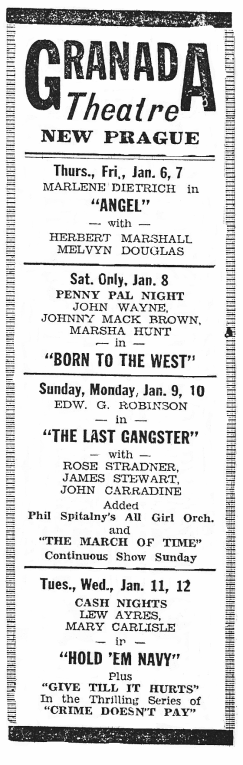
Like other businesses, disasters happened.  New Prague’s theater was completely gutted by fire in April 1934.  The New Prague Times reported that “The New Prague fireman battled with a fire hard to reach, as by the time the alarm was turned in, the theater interior was an inferno of flames.”   When it reopened in September, it was transformed from a blackened and charred interior to a luxurious beautiful space.  The exterior was altered to include a ticket booth facing the street entrance.  New projectors, sound system, lighting were installed as well.  The Times also  reported that “The theater has been inspected by the state fire marshal and pronounced thoroughly safe in every respect.” The rebuilt theater was renamed The Granada, replacing the former New Prague Theater.

The Jordan Theater also closed due to a fire in November 1956.  Seems that the owner, Leo Brazier had turned on the gas heating system in preparation for a movie showing that evening.  He went out for coffee and spent some time visiting with Mr. & Mrs. Julius Schultz (who lived next door to the theater), when they saw smoke pouring from the building.  The fire was concentrated near the theater stage, but didn’t cause much damage to the exterior, however the interior suffered quite a bit of water and smoke damage.  When it was rebuilt it received a new façade.

Scott County not only had a number of movie theaters, but was also home to a film distribution business, North Star Film Exchange.  Reno Wilk of Minneapolis and Julius Coller of Shakopee started the company to distribute re-issued films.  Julius Coller got into the film business through a toy projector he acquired when he was about 12 years old.  In later years he would show films to Shakopee kids in his attic.  He acquired quite a valuable private film library, including films such as “The Great Train Robbery” and several Fatty Arbuckle features.

North Star had a list of 62 current attractions in 1946.  Among them are such things as “Adventures of Tom Sawyer;” a couple of “Tarzans” “the 39 Steps”, “Half Way House” and others.  Upcoming oar others including a couple “Toppers”, “Turnabout,” “Of Mice and Men,” and others.  Six Hop-a-long Cassidy and 16 Range Busters westerns are also on the list.   In 1949, North Star Pictures was granted the exclusive Northwest distribution rights for the new screen hit, “I Shot Jesse James”.

Let’s not forget Drive-In theaters!  Prairie Drive-In was located on Co. Rd. 9 in Jordan, opening in 1965 with capacity for 450 cars.  Prior Lake Drive-In also opened in 1965.  Champions Drive-In is currently in operation in Elko with capacity for 600 cars!

Patronize your local movie theater, enjoy viewing a film on the large screen, nosh on some popcorn, and chill out this summer!