Housekeeping Then & Now

baking.jpg

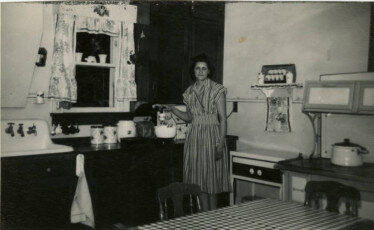
When we think of housekeeping today we usually think of dusting, vacuuming, throwing clothes in the washer/dryer, grabbing ingredients from the fridge and whipping up dinner – or nukeing a frozen dinner in the microwave.  Things were much different over a century ago.

Because tasks were so more time consuming, they were sometimes assigned specific days of the week…

  • Monday – wash clothes

  • Tuesday – iron

  • Wednesday – mending

  • Thursday – churn butter

  • Friday – clean the house

  • Saturday – bake

  • Sunday – rest

drysink.jpg

Washing clothes was a huge chore.  If you weren’t lucky enough to have a cistern in your house where you could pump water into the kitchen – then you had to fetch water from a well.  Then the water needed to be heated on the stove.  Laundry detergent wasn’t available.  You would have had to make your own soap from lard (or fat), water, and lye.  To wash clothes you would shave some slivers of soap into the boiling water, fill a washtub and hand scrub the clothes on a washboard.  Another tub of clean water was needed to rinse the clothes, then they were hung outside to dry (yes, even in the winter).  All this work gave you back pain, cracked hands, and scraped knuckles.

washtub.jpg

Eventually washing machines were created to help with the work.  This is a hand-operated wooden washer and wringer – made doing laundry easier and saved water.

After clothes dried – you ironed them on Tuesdays.  No plugging in a steam iron; you placed a heavy “sadiron” (so called because of its weight 5-9 pounds), on the cook-top to heat.  These irons had wooden handles to protect your hands.  However, they didn’t  hold heat very long, so you always had a second iron on the stove ready to switch out.  Ironing gave a person some awesome arm muscles.

iron.jpg

While ironing you would notice whether a piece of clothing had any tears or holes.  That was set aside for mending on Wednesdays.  Clothes were NOT thrown out – they were repaired, socks were darned, and those too worn beyond repair were saved for quilts or rags.  If the item needed major repair work, the treadle sewing machine was put to use.  This made mending and creating clothes so much easier.  Although a person could purchase clothes from a store – most women made clothes for themselves and their families at home.

Thursdays were spent churning, making butter for Saturday’s baking.  Milk was put into a wooden container and a dasher was plunged up & down for 30-40 minutes to make butter.  The leftover milk – buttermilk – was saved for baking too.  This was usually a child’s chore.

soap.jpg

Friday – cleaning day!  The same bar of soap was used not only for washing clothes, but also for washing dishes, cleaning floors, wiping down walls and furniture, taking baths – everything.  Floors and ceilings were swept, rugs were hung out and beaten, beds were striped and remade, furniture was dusted – the full house was wiped down.

Saturday was set aside as baking day, partially because families usually age a big meal on Sunday.  Women would bake bread for the full week on Saturday – maybe 10 – 12 loaves – from scratch.  Not only did you need ingredients, you needed fuel for the stove – whether wood, corn cobs or coal.  No turning a knob, or pushing a button to set a temperature – temperature was tested by running your hand in the oven to feel the heat.  Ovens cooked much slower, which is why cooking started in the morning for the evening meal to be on time.  It’s also why a specific day was set aside for cooking the weekly bread supply.

After a week’s worth of work, Sunday was set aside as a break from chores to relax, visit with friends and family, and have fun activities, such as singing around the piano, or listening to records on the Victrola.

Housework 100 years ago took lots of time and elbow grease. Today we take for granted the machines that allow us to complete in minutes what used to take days.  So next time you sprinkle some detergent into an automatic washing machine, be a bit grateful you didn’t have to make the soap, heat the water, hand scrub the clothes, or wring them out.  Today’s housekeeping is so much easier thanks to advances in technology.

Valentines Day

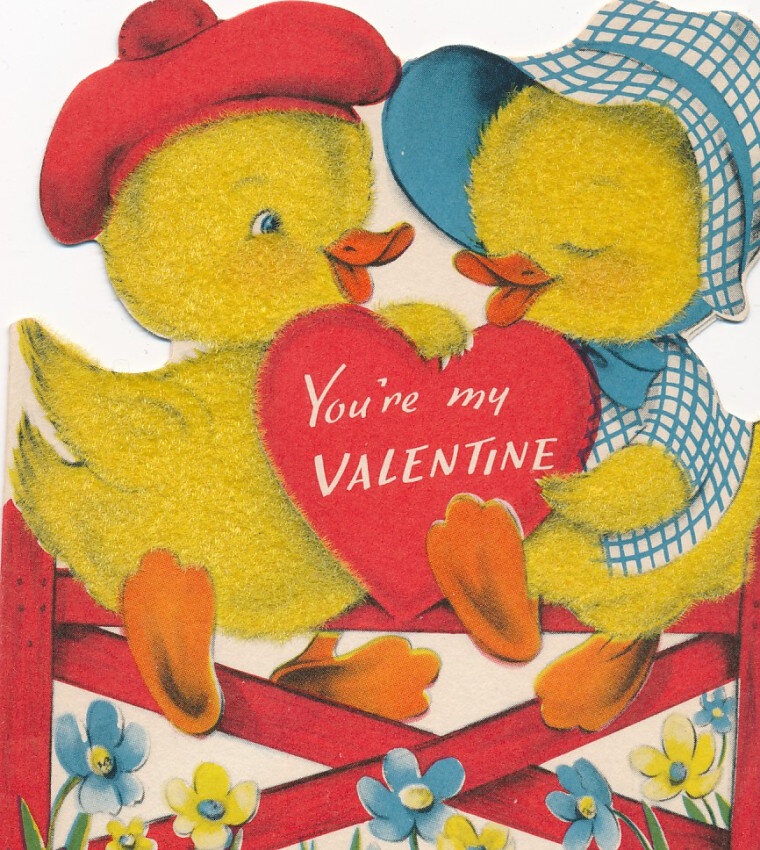
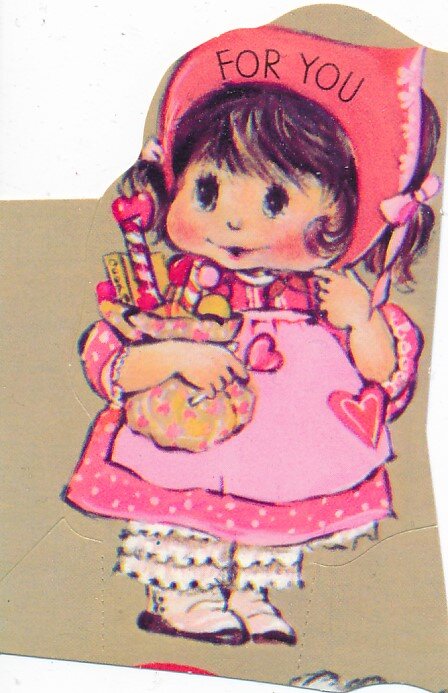
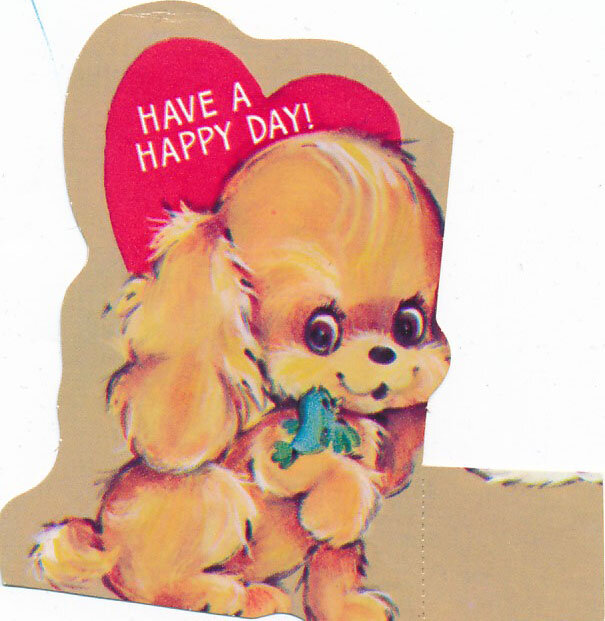
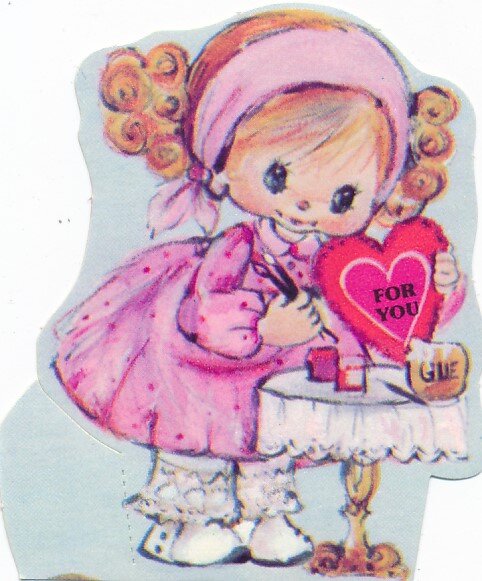
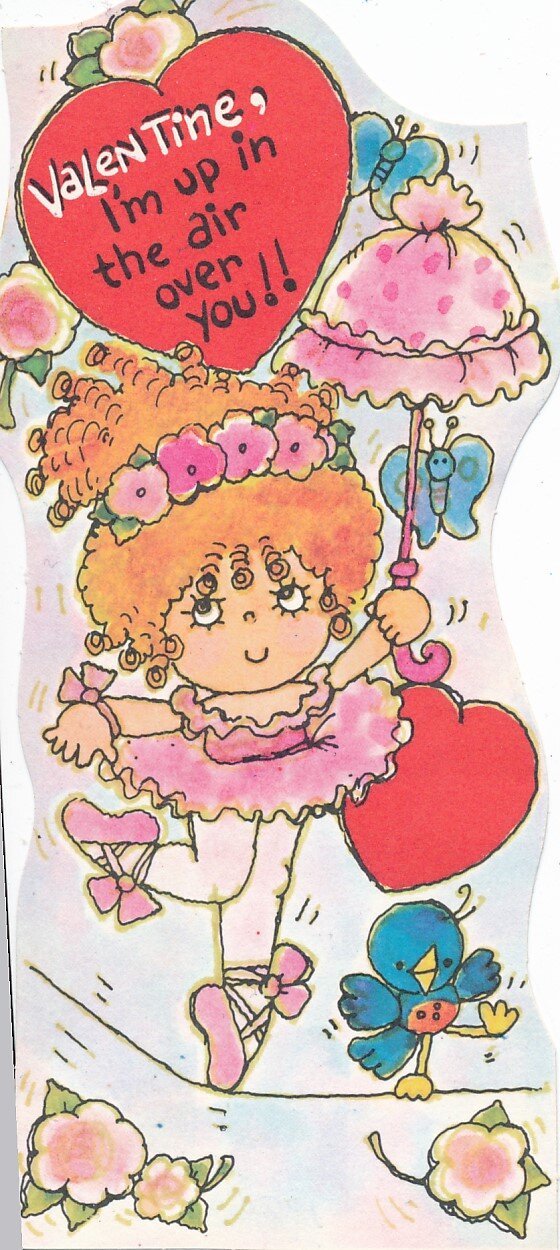
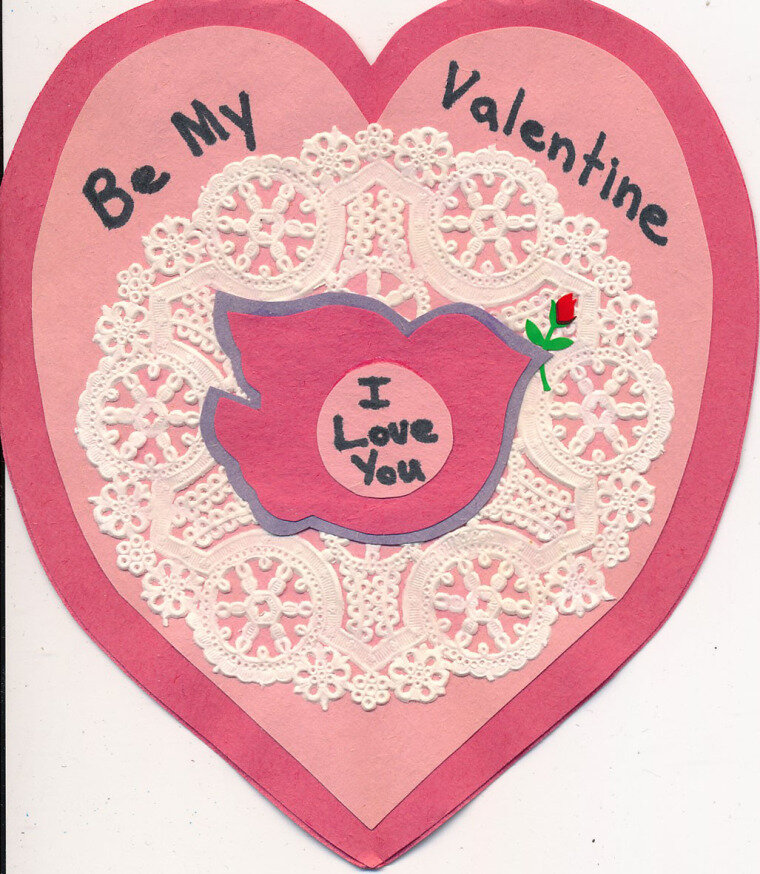
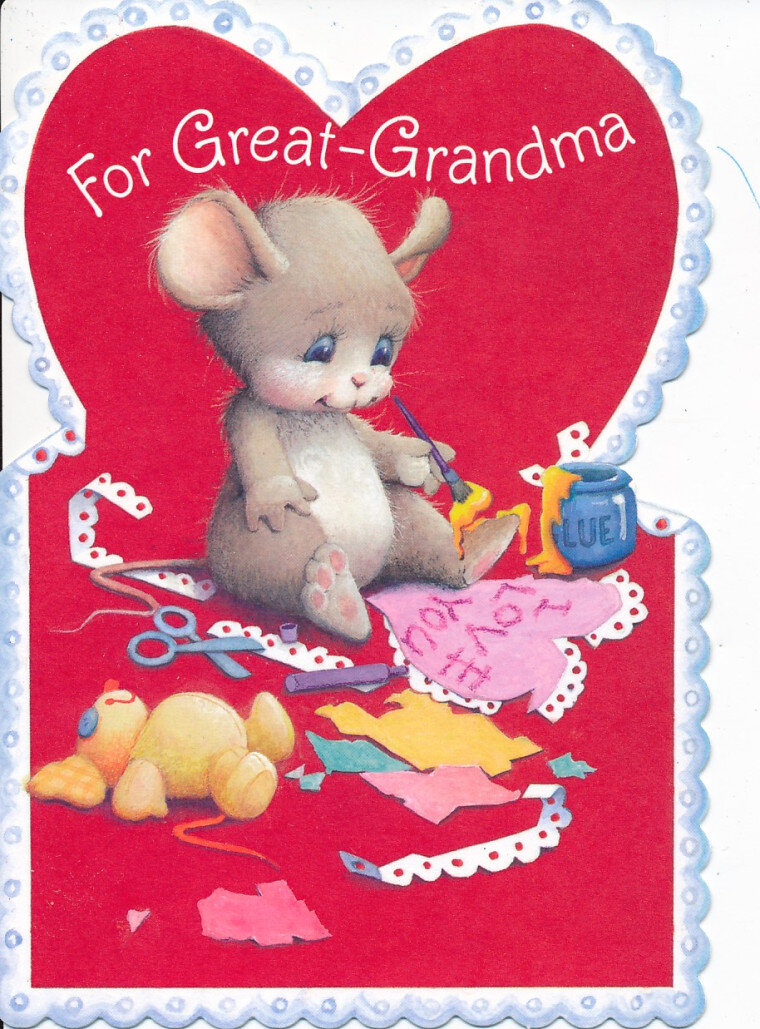
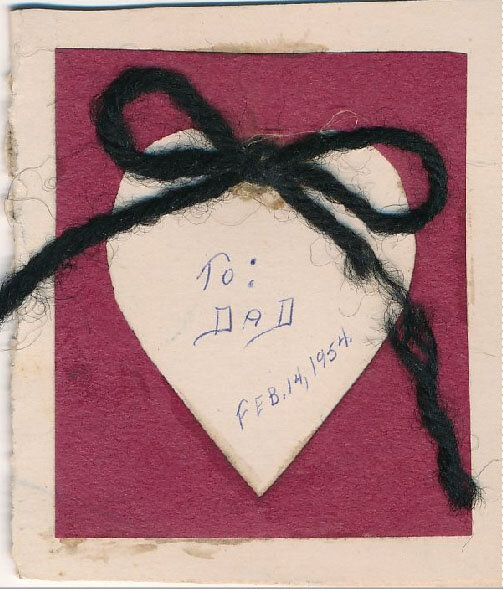
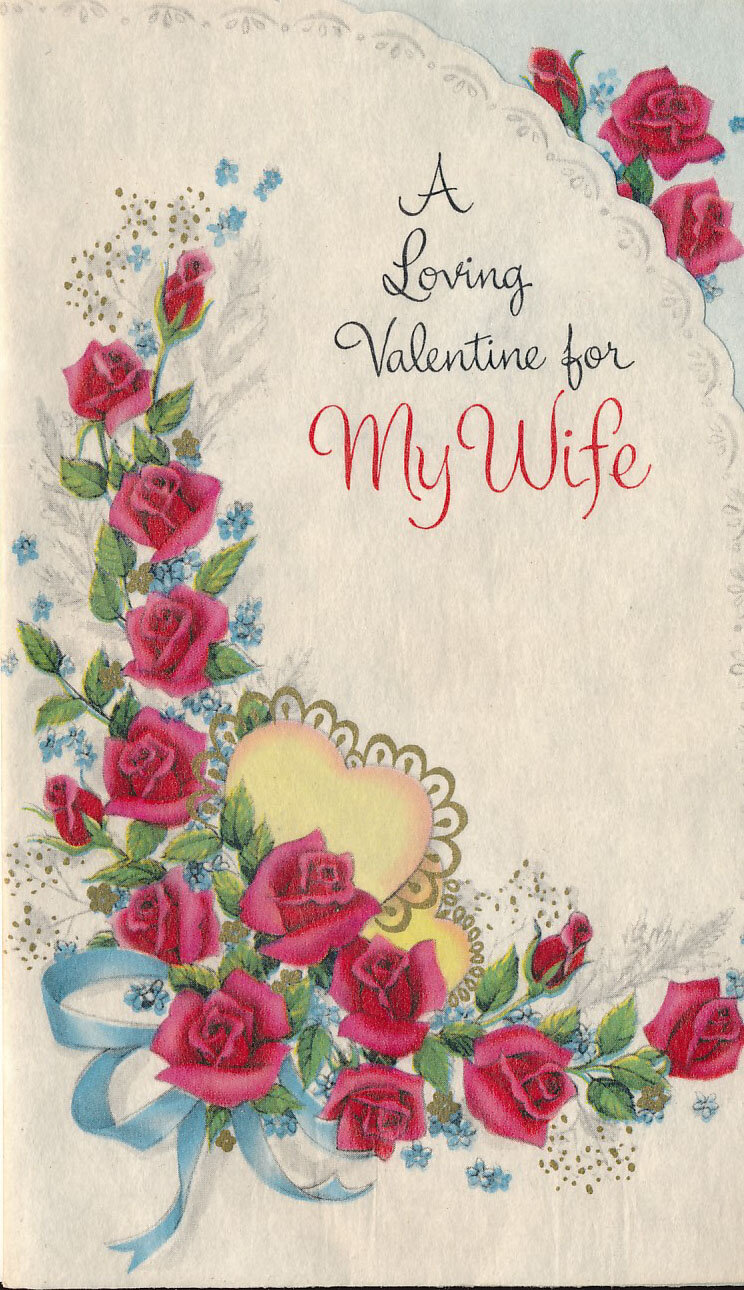
We have many Valentine’s Day cards in our collection, and I chose a few of the cutest, and loveliest, to show you. Valentine’s Day is often thought of a day simply for couples, but as many of these cards indicate, it can also be a day for loved ones, be they from a daughter to a father, or a grandchild to their grandparent. These cards below range from the 1950s to the 1990s, and all were written with love. I hope that you have had a wonderful Valentine’s Day, whether you celebrated it on Wednesday, or plan to do so over the weekend. Or any day you please. Enjoy these cards, and if you’re interested in learning more about Valentine’s Day in Scott County, feel free to stop by.

Little Chicago

Back in the mid-20th century, Shakopee had a bit of a reputation.  In a time when gambling and liquor were illegal, they were both pretty easy to obtain in Shakopee.  Restrictions on drinking and gambling made both of these activities lucrative for the business minded.  Gangsters and unscrupulous business people used corrupt officials, money, and force to keep their illegal activities unchecked and underground.  Shakopee became one of the area’s worst known offenders earning it the nicknames “Little Chicago” and “the local Las Vegas.”

In Early 1920, America enacted the 18th Amendment, also known as Prohibition, a movement that had been building in America well before 1920.  It was spurred on by heads of church, political figures, business leaders, and social reformists worried about what alcohol was doing to America and they sought to rid their country of this moral threat.  There was also a great deal of distaste for Germany at this time, it having been an opponent of America in World War I.  Seeing as most beer brewers had German surnames, this drew American distrust and ire (Holmgren, 2005).  Think “Freedom Fries” of the early 2000’s.  Their venture “succeeded” and Prohibition was put into action January 17, 1920, guided by what was known as  the Volstead Act.

While the 18th Amendment, in broad terms, made it illegal to sell, make, or transport alcohol, the Volstead Act determined what violation meant and how it should be persecuted.  The Volstead Act stated that possessing, selling, manufacturing, bartering, or transporting anything that had an alcohol content above 0.5% was an in violation of the Amendment.  Juices and ciders below this limit were permissible.  There were few exceptions to this rule.  This act still allowed alcohol to be used for medicine, sacrament, science, and industry.  It also permitted physicians to prescribe up to one pint of alcohol per month to patients.  Those permitted to have alcohol needed permits and were required to keep records for the sale of all alcohol.  First offenders could be fined up to $1000 dollars and imprisoned for up to six months.  Second offenders could be fined up to $2000 and faced imprisonment for up to five years.

Scott County, in the summer of 1919, had 40 licensed saloons in Shakopee, Jordan, New Prague, Belle Plaine, New Market, Prior Lake, and Savage.  When the 18th Amendment came into effect, many of these businesses had to make changes.  At least, they had to give the appearance of change.  Some chose to serve soft drinks and root beer instead of alcohol.  Others changed to ice cream parlors. Sometimes both ice cream and soft drinks were served. One man planned to sell tobacco, merchandise, and a low to no alcohol malt beverage referred to as near beer.  Other local businesses like the St. Paul hotel and Minneapolis House kept on as just hotels (Shakopee Argus, 1919).  Some planned to continue on their businesses and practices with full intention to abide by the new laws but for various reasons, many did not.

A general issue that the 18th Amendment faced was the concept of supply and demand.  First: with supply cut short, the ability to provide alcohol became extremely profitable.  Second: Minnesota’s proximity to Canada, which had enacted its own form of Prohibition in 1920.  Unlike America, they repealed their Prohibition after only two years as opposed to America’s 13 years.  This meant the flow of alcohol from Canada reached the Twin Cities quite readily.  Third: like most everywhere else, police and federal agents lacked the manpower to have any hopes of giving the new law any teeth.  A fourth problem encountered in this area reached back years before Prohibition even began.  This problem being a culture of corruption and lax policy enforcement already in place.

In Minnesota, the 18th Amendment was preceded by strict gambling laws enacted in 1851.  Put simply, Minnesota had outlawed all forms of gambling.  Even playing Bingo for charitable causes was illegal until 1945 (Williams, 2005).  This was already poorly enforced and helped set a groundwork for further corruption.  Some businesses had slot machines, pull tabs, and other forms of gambling that they kept “secret”, usually with the help of letting police or politicians in on the take.  Other businesses were willing to leave their gambling out in the open without fear of repercussion. With gambling laws already being ignored, and/or profitable, it was easy to get police and politicians to lay off enforcing liquor laws.

It is not surprising that these elements allowed the Twin Cities to become a haven of criminal activity.  These factors drew in some of the most famous gangsters of the time like Alvin Karpis, John Dillinger, the Barker Family, and “Baby Face” Nelson.  The picture at the top is of our own local celebrity, Isadore “Kid Cann” Blumenfeld.  In the picture, he is celebrating after being acquitted of the most high profile murder of his career, the murder case of Walter Liggett (Foster, 1999).

In 1920, Leon Gleckman was “the kingpin of the St. Paul liquor industry.”  In St. Paul, he installed his own chief of police.  This man, Thomas Brown, maintained his position through the entirety of Prohibition and even two years afterwards.  He was not removed until wiretapping revealed his corroboration with criminal activities in 1935.  Brown and his corroborators allowed organized crime to operate with very little to stand in its way (Foster, 1999).

In March of 1921, raids were conducted in Scott County and surrounding areas.  In Carver County, ten arrests were made and one complete still was found with large quantities of mash.  Mash being the fermented mixture of cornmeal, sugar, water, and yeast used to make moonshine.  Four arrests were made in Jordan and it was claimed that 100 gallons of liquor was seized, 25 gallons having come from one house alone.  Three arrests were made in Belle Plaine, along with two others in Chaska.  R. H. Mies, the mayor of Hampton was arrested for having approximately 10 gallons of liquor in a restaurant he owned.  Near Fish Lake, police expected to find stills but only found liquor.  In New Market, a man was raided after drunkenly bragging that he had already made $16,000 off of the sale of illegal liquor.  Shakopee stands out slightly in this list of raids, with only one arrest.  One arrest but seven other cases that were pending further investigation.  The reason for this?  Those seven were being investigated on suspicion of having been tipped off to the raids (Jordan Independent, 1921).

Operators in Shakopee had local police and politicians deep in their pockets.  Businesses, such as the Rock Spring Cafe, had runners to inform them of when raids were coming and safe houses to house their illicit materials.  Informants in the police department, much as in the case of Thomas Brown of St. Paul, profited from keeping gambling dens and speakeasies informed.  In later years, corruption was so bad that Shakopee’s mayor at that time, Mayor Cavanaugh, requested Pat Thielen become a police officer so there would be someone he could trust in the police department.  After making thirty-two arrests, people tried to use threats and whatever other leverage they had to stop him (Thielen).  This is one of the reasons Shakopee became known as “Little Chicago.”  It became known for its blatant disregard of gambling and liquor laws.  Betty Dols, Scott County Historical Society’s librarian, once wrote, “Anyone over sixty years of age can remember when there were slot machines in every bar, restaurant, store and cafe in Shakopee.” (Dols, 2003)  In fact, one reason Mayor Cavanaugh sought out Pat Thielen is because Governor Youngdahl gave a deadline to have Shakopee cleaned up or he would step in.

Shakopee also gained repute from its most famous establishments, The Millpond Club and the Rock Spring Cafe.  The Rock Spring Cafe was a curious case in which gambling and drinking was done in an exclusive basement room.  It was exclusive for two reasons.  On one hand, it only catered to wealthy patrons from out of town, mostly customers from the Twin Cities.  Secondly, only those that were well known to the man guarding the basement were allowed to enter.  People could come here to drink and gamble safely because the Rock Spring Cafe always had the aforementioned runners prepared to warn of any incoming raids.  The Millpond Club was renowned for its gambling.  It was said to have any of the same methods of gambling that could be found in Las Vegas.  They protected their business with political arrangements.  No police interfered with their business, even after they were robbed at gun point.  Instead, the Millpond Club beefed up security by installing a bulletproof enclosure in the gambling room that contained a guard armed with a shotgun.

As mentioned, Shakopee’s unsavory reputation did not go unnoticed.  Governor Youngdahl had turned his focus on cleaning this city up.  In the late 1940’s, police enforcement was increased.  Illegal activities were finally punished as they were supposed to be.  Governor Youngdahl also reduced Shakopee’s liquor licenses from 9 to 5 (Dols, 1999).  In time, Shakopee lost its role as a destination for debauchery and its title of “Little Chicago.”


Written by Tony Connors, Curatorial Assistant.

Sources:

Holmgren, Chuck.  (2005, February 4).  It’s the Booze Talkin’: Prohibition and the Gangster Film.  Retrieved from https://http://xroads.virginia.edu/~MA03/holmgren/prohib/prohib. html.

N/A.  (1919, June 27).  Saloon Men Are Readjusting Businesses.  Shakopee Argus.

Williams, John.  (2005, March).  Gambling in Minnesota.  Retrieved from: http://www.house.leg.state.mn.us/hrd/pubs/gambhist.pdf.

Foster.  (1999).  For the Record: 150 Years of Law and Lawyers in Minnesota.  Minnesota: Minnesota State Bar Association.

N/A.  (1921, March 24).  Prohibition Officers Active Herabouts.  Jordan Independent.

Pat Thielen.  Transcript from a tape recording.

Dols, Betty.  (2003).  Gambling in Shakopee.  Shakopee Heritage Society Newsletter, 1, 9, 2-3.

Images of Football in Scott County

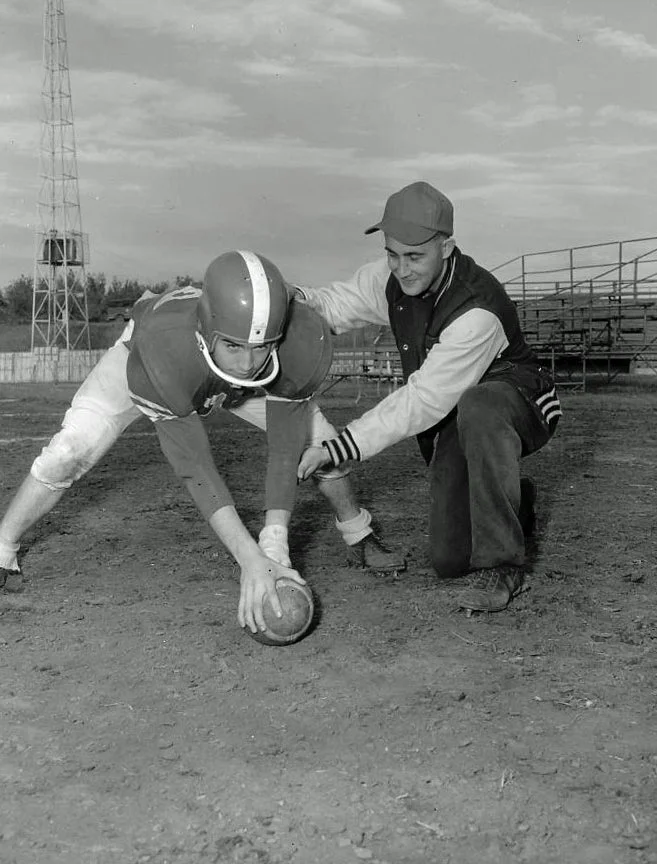
With the Super Bowl in Minneapolis this weekend, what better occasion could there be to share some historical photographs of football in Scott County from our collection? Pictures that begin around 1890 show an interesting progression of equipment, from padded body suits with a simple leather cap to the more recognizable shoulder pads and hard helmets with facemasks we’re familiar with today. Many of the later images were captured by LeRoy Lebens as part of his work as the official photographer for the Waniyetu Shakopee High School Yearbook, which are a part of his larger collection we are currently inventorying here at SCHS. If you’re interested in learning more about sports in Scott County or the LeRoy Lebens photo collection, come by and see us at the Scott County Historical Society!
1890- Frank Dierberger of Shakopee

1890- Frank Dierberger of Shakopee

1905 Rock Spring Team- George Vierling, Reno Ketterer, Ed V. Mertz, Math Klinkhammer, Joseph R. Witt, Emil Strehlow

1905 Rock Spring Team- George Vierling, Reno Ketterer, Ed V. Mertz, Math Klinkhammer, Joseph R. Witt, Emil Strehlow

1914 Belle Plaine Minnesota Valley Champion Team- Lorenz Woods, Bill Crahan, Emmett O’Neill, James McDevitt, Martin Donovan, George Brown, Mike Pendy, Tom Sheehan, Leo Pendy, Herman Beutow, Bob White and John Weibeler

1914 Belle Plaine Minnesota Valley Champion Team- Lorenz Woods, Bill Crahan, Emmett O’Neill, James McDevitt, Martin Donovan, George Brown, Mike Pendy, Tom Sheehan, Leo Pendy, Herman Beutow, Bob White and John Weibeler

1922- Leo Hartmann of Shakopee High School

1922- Leo Hartmann of Shakopee High School

1922 Shakopee High School Team

1922 Shakopee High School Team

1936 Shakopee High School Team

1936 Shakopee High School Team

1939 Shakopee High School Team

1939 Shakopee High School Team

1939 Shakopee High School Team

1939 Shakopee High School Team

1942 Shakopee High School Program

1942 Shakopee High School Program

1955 Shakopee High School

1955 Shakopee High School

1958 Shakopee High School

1958 Shakopee High School

1958 Shakopee High School

1958 Shakopee High School

Shakopee “Small Fry” League 1955-1960

Shakopee “Small Fry” League 1955-1960

Shakopee “Small Fry” League 1955-1960

Shakopee “Small Fry” League 1955-1960

The Unboxing of Fallout Shelter Items – 56 Years Later

The very last donation of 2017 was given to SCHS by the Rahr Malting Company on December 21, 2017. It was exactly as if the we had received an early Christmas present. The donation consisted of five boxes, of both the small and large variety, and all that was written down on the paper was that they were civil defense supplies from 1962. Needless to say, it was very exciting opening and uncovering the items inside of these civil defense boxes. As it turns out, these boxes were like a Christmas gift to SCHS, just opened up fifty-six years after they were originally packaged. Although it may have felt like Christmas here at the museum, the items in these boxes were originally packed for a much darker and serious purpose: in the event that a fallout shelter was needed in the future.

The Rahr Corporation, established in 1847 in Michigan, has since expanded to several different locations, one of them happening to be on 1st Avenue West in Shakopee. The facility in Shakopee was built in 1937, and had been added onto in 1954, 1977, 1981, 1994, and 2016.1 The information that many may have forgotten, however, was that the Rahr Malting Company was designated as a fallout shelter in 1961-1962 for the citizens of Shakopee. The boxes that were donated to SCHS were chalk full of fallout shelter items, many of them having been undisturbed for more than fifty years.

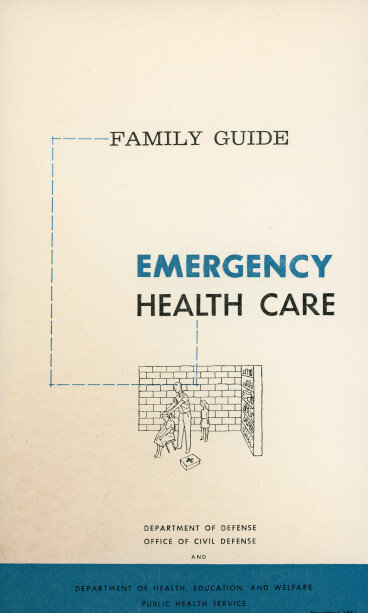
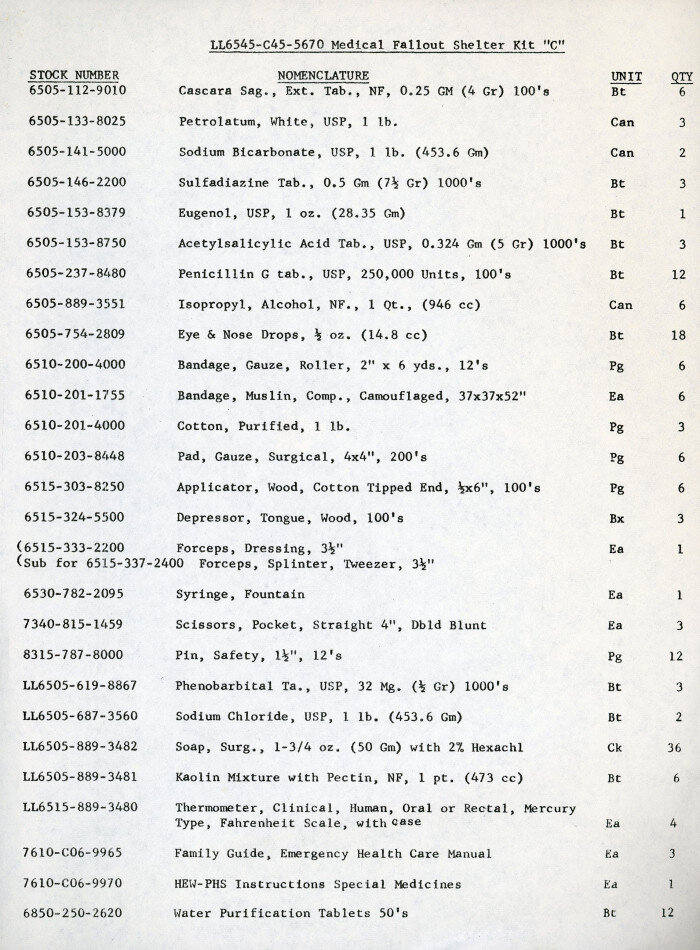
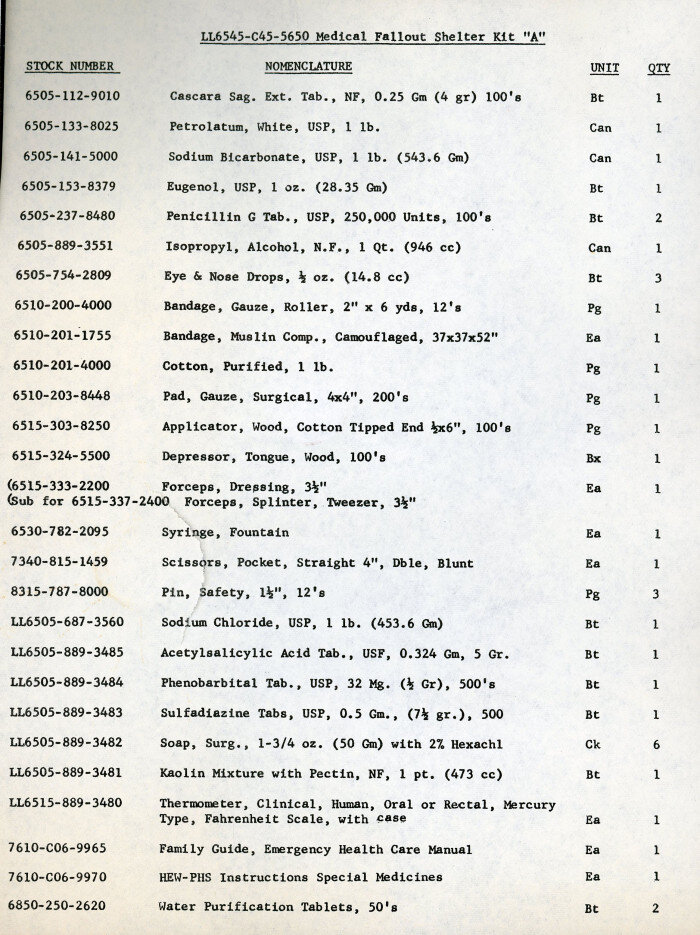
Included in the items were lists for Medical Fallout Shelter Kit “A”, which was one of the smaller boxes that could treat 50-65 shelter occupants, and for Medical Fallout Shelter Kit “C”, which was one of the larger boxes that could treat 300-325 shelter occupants. Each list identifies the items and the quantity of each item. Kit “C” contained the exact same items as in Kit “A”, just in larger quantities due to the larger number of proposed occupants. Also included was a brochure titled Fallout Shelter Medical Kit Instructions, dated July 1962, as well as a thicker brochure titled Family Guide: Emergency Health Care, which detailed instructions on caring for individuals while in a fallout shelter. These lists and brochure can be viewed below.


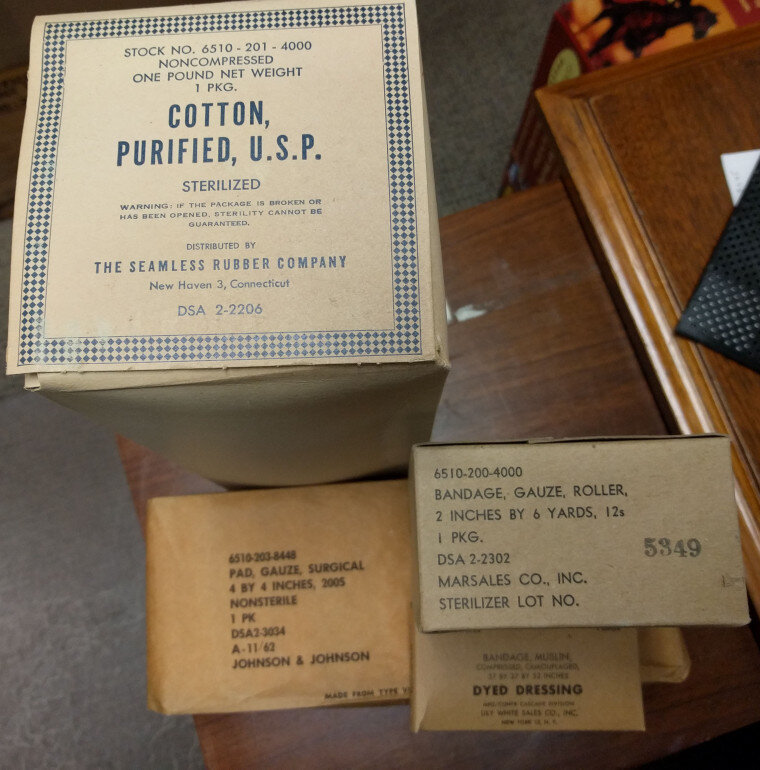
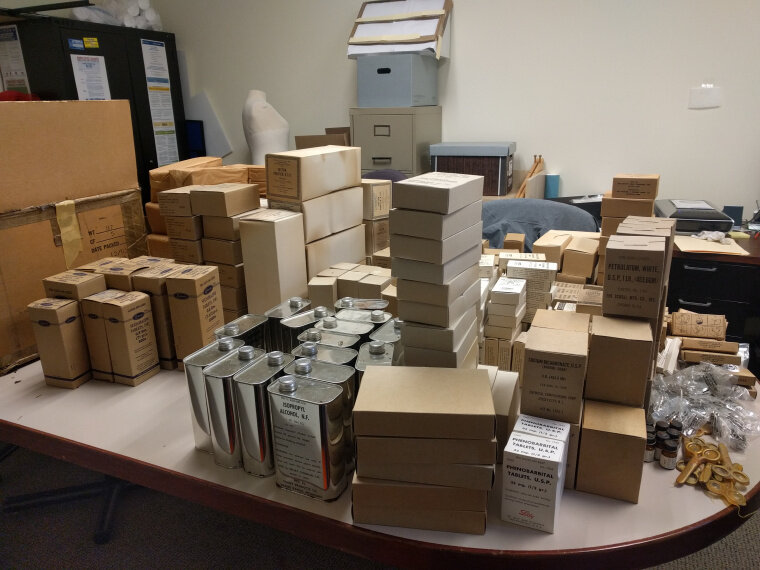
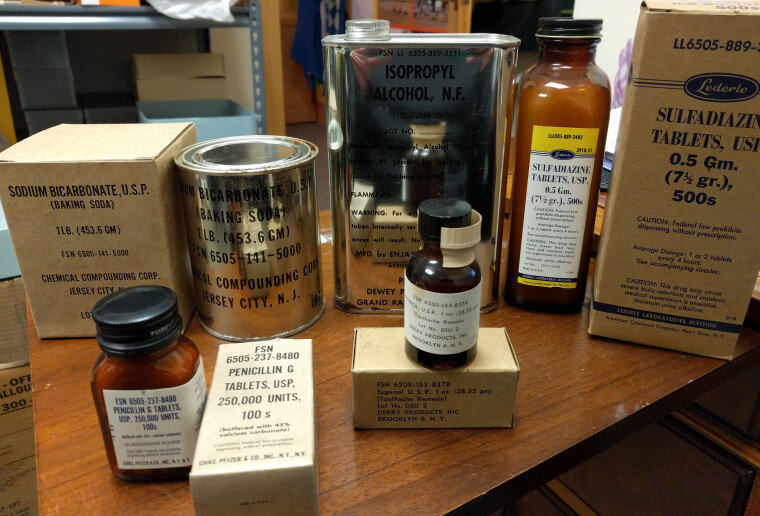
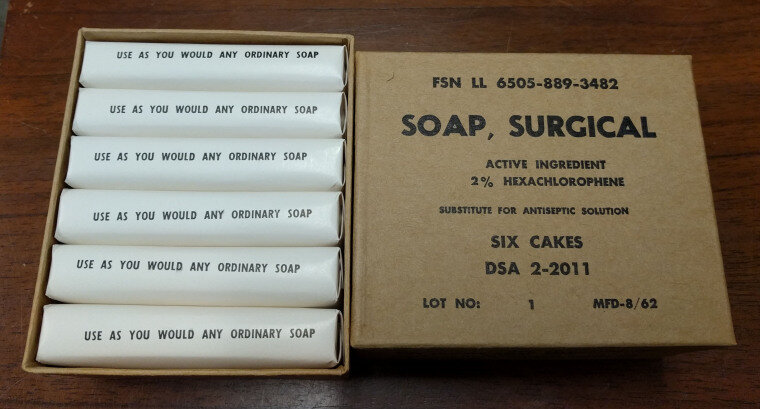
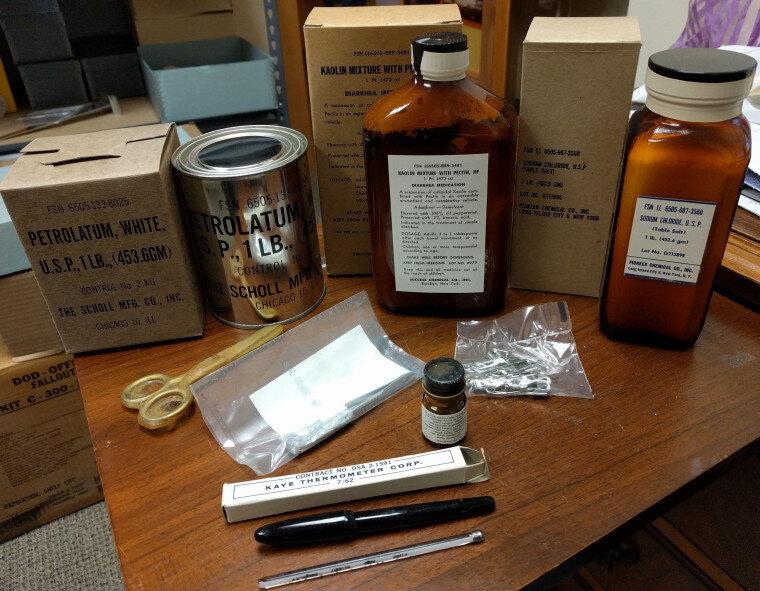
The items that were packed in these boxes were medical supplies, which would be extremely necessary in the event of needing a fallout shelter. Any and all items that could fit were made to sit inside their own individual brown cardboard box, the name of the item written on the front of the box. Items included several different kinds of bandages, scissors, thermometers, tweezers, safety pins, isopropyl alcohol, surgical soap, toothache remedy, eye and nose drops, diarrhea medication, many different kinds of pills (sulfadiazine, penicillin, aspirin, cascara (a laxative)), as well as tins of baking soda, petroleum jelly, and bottles of table salt. Also included were small bottles of iodine pills that would have been used to treat water in fallout shelters. All of these items were necessities when living in a closed off fallout shelter, be it with either 50-65 people, or 300-325. These items were chosen and packed with care, ready to offer aid to those who were sick. Although many of these items were labeled as being packed and stored in 1962, we, unfortunately, don’t have information on which building on the Rahr Malting campus was to be used as the fallout shelter.

Nonetheless, these items are a museum’s treasure, and very much a look into the past when nuclear war felt very much like an imminent threat. These boxes stored in the Rahr Malting Company show that a very national fear was felt by everyone everywhere throughout the United States, even in small Shakopee, Minnesota.

Many of these items have not been viewed since the 1960s, so I am pleased to allow you a secondhand look at these fallout shelter items. Enjoy.