
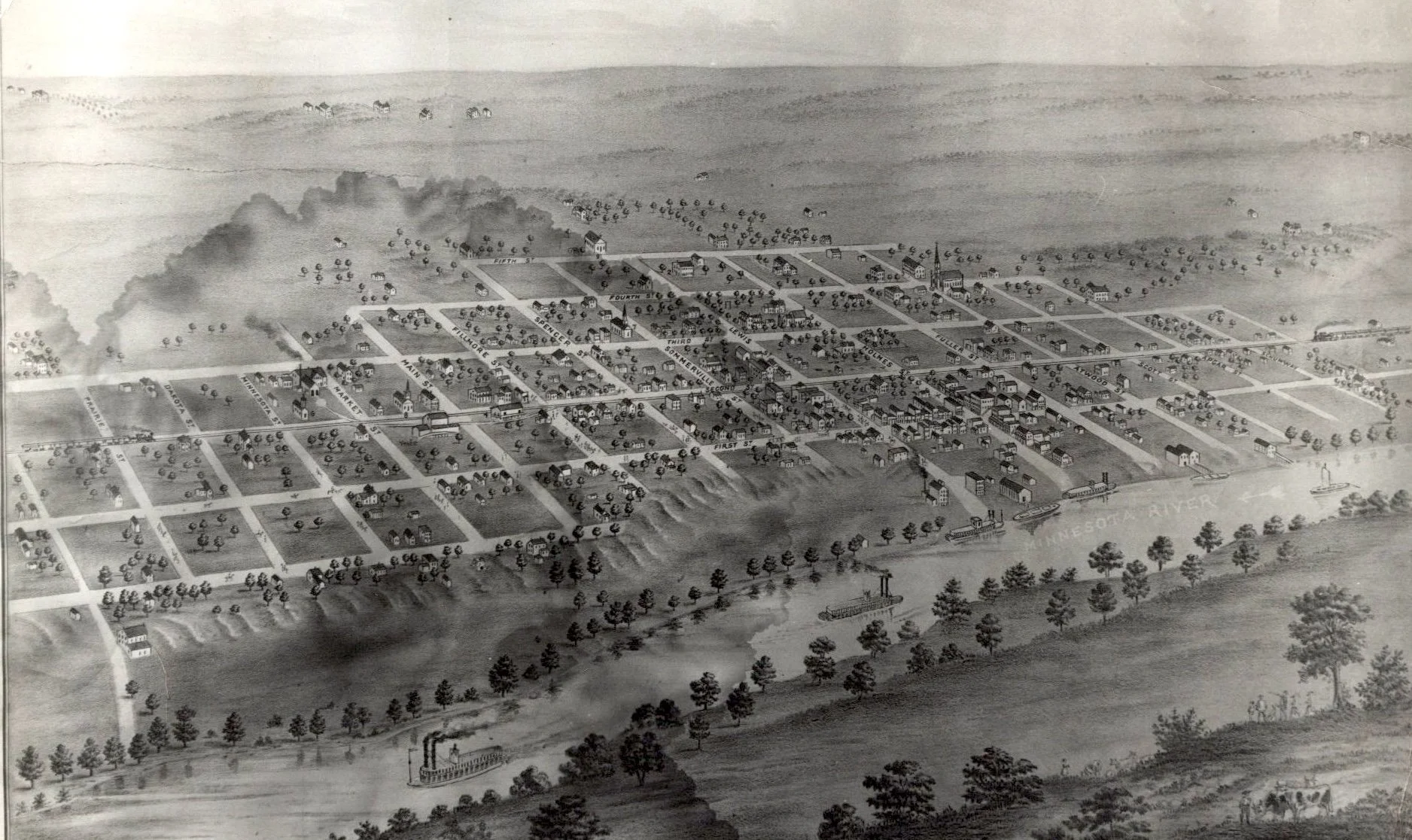
Last month we covered the first part of this two-part series on a terrible crime committed in Shakopee over a century ago. The murders of John and Johanna Spearman along with their grandson, George Russell, occurred in December of 1890 near the area of the current 8th Ave and Lewis Street South. That house was demolished in 1905 when Alex Schaefer built his new home. [Shakopee Tribune, March 3, 1905].
This month we will finish up looking at the family members by looking at George Russell and his mother, Anne (who was the daughter of John and Johanna Spearman), and then dive into the what we know about the two men who were named as possible suspects.
Anne Spearman Russell Lynch and George Russell
Anne was the oldest child of the Spearman family. By 1870, she was 21 and had moved out having found work at David Brown’s hotel in Shakopee as a housekeeper [1870 census]. Anne moved to Minneapolis and married Cornelius Russell July 1, 1872 [Star Tribune July 3, 1872 p1]. By the 1875 census, their first child, Annie, was two-years-old. That same year, the family moved out to California. Their first son, Charles, was born in 1876, followed by George in 1878. Cornelius was listed in the Napa County, California 1880 mortality census with a cause of death as paralysis. Following his death, Anne and her children moved back to Minneapolis.
In September 1885, Anne married Robert Lynch. Anne and Robert had two sons together, William and Robert. While they lived in Minneapolis, it appears that Annie (Anne’s daughter from her first marriage), and Charles lived with them for a period of time. Her youngest son George, however, moved out to Shakopee to live with Anne’s parents. We don’t know for certain whether Annie and Charles were living with Anne and Robert when George had moved out to Shakopee (or, in fact, when George moved out to Shakopee). Since the majority of the 1890 Federal Census burned in a fire, we can’t see where everyone is just months before the murders.
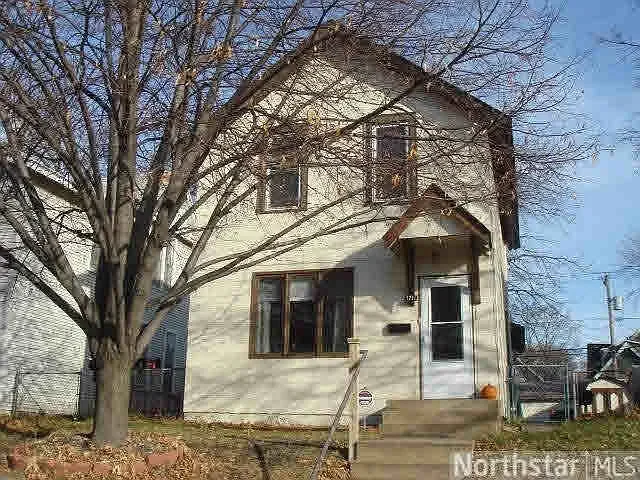
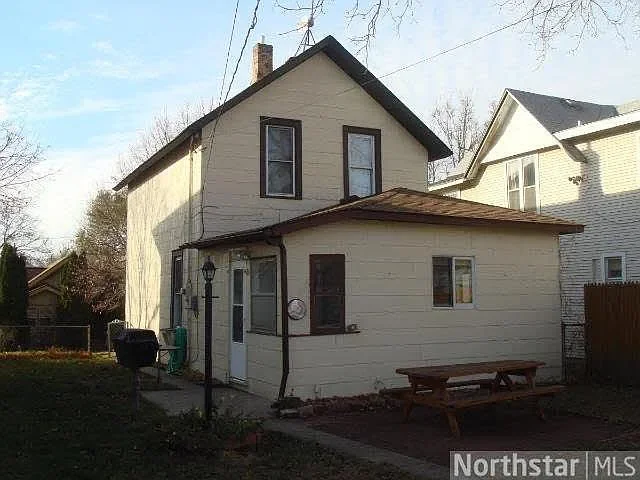
Anne’s second husband, Robert Lynch, died in 1895 leaving her with their two sons (Robert and John) and two adult children from her first marriage (Annie, 23, and Charles, 18). By 1900, the federal census listed the family as living at 1211 Washington Street in Minneapolis. If you’re interested in what the house looked like, here is the zillow link https://www.zillow.com/homedetails/1211-Washington-St-NE-Minneapolis-MN-55413/1821063_zpid/ and a few pictures from the link (for when it no longer works in the future). Following Anne’s death in 1916, her son William, his wife Bertha and their four children inherited the house. John died from a combination of pneumonia, pleurisy, and Tuberculosis in 1921 and Bertha followed two years later leaving the children orphaned. They were adopted out to different families.
William Spearman
William was the only living son of John and Johanna Spearman at the time of the murders. Like his sister, Anne, not a lot is known about William’s early life. He lived in Chanhassen Township with his family until around 1880 when they moved into Shakopee. William was living in Minneapolis at the time of the murders. He married Cora O’Hara in 1889 but by 1895 she filed for divorce on grounds his poor treatment of her and due to his drinking habit. William then moved in with his older sister, Anne and lived at the Washington Street house. Cora attempted to reconcile the marriage briefly but according to an article, they married in Hudson, WI in 1900. The marriage lasted five days before he became violent again during a period of intoxication and she left him. In 1907, William died at the City Hospital in Minneapolis from delirium tremens (severe symptoms which accompany alcohol withdrawal – his drinking ultimately led to his death).
While his personal issues were perhaps a strike against him, the police found some other things that didn’t look too great for his innocence. William had quit his job the day prior to the murders (for reasons unknown). Additionally, it was pointed out by police that he was initially considered a suspect because John had left the Shakopee property to the grandson, George. William stated that he hadn’t seen or spoken with his father in over a year. Therefore, they thought there might be motive if William had known this change was made. George would receive the property and the children would split the money. The actual probate record, however, indicate that the property would be divided amongst the siblings.
Joseph Remington
Besides William, Joseph Remington was the main suspect in this investigation. Joseph and William reportedly worked at the same livery together at the time of the murder. Remington stated that he was at the Hosford Livery that evening and then he and William went to the dance at Normanna Hall.
When the Tribune went to interview William he was out of town, instead they were able to talk with Anne. Upon the advice of her friends, Anne hired a psychic from Minneapolis to aid in the investigation. The psychic, Mrs. S.C. Woods, said the perpetrator’s name was Joseph and that he had a badly mutilated finger. He was left-handed, and that the killing was done with a new .38 caliber gun. Joseph Remington was left-handed and lost part of a finger on that hand.
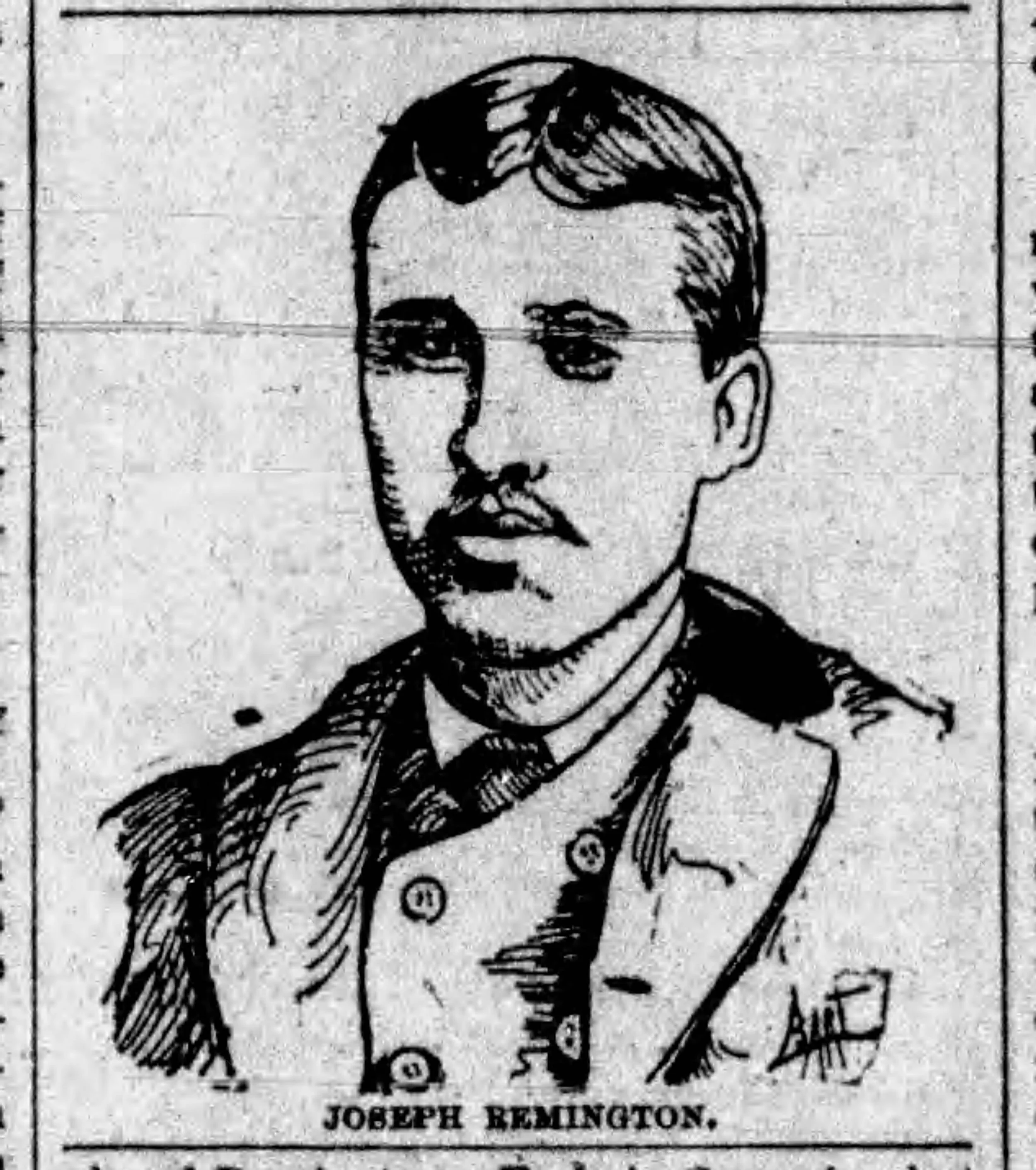
A sketch of Joseph Remington as it appeared in the Minneapolis Journal July 26, 1891.
On February 11th, 1891 Joseph arrived in Fargo after having stated he was in Minneapolis the previous few months (which would have put him there during the Spearman murders). He confessed to murdering James T. Flett, a wheat station agent, by shooting him at close range in the back of the head and then taking off with a large amount of money and stealing his watch. He attempted to claim insanity for the murder, but it didn’t work and he was sentenced to time in the North Dakota penitentiary.
After police had ruled out William, they questioned him about Joseph. Despite working at the Hosford’s Livery with Remington, Spearman insists he wasn’t very close to him although admitted knowing him. Spearman told the Minneapolis Journal that he suspected Remington was tied to the Shakopee murder.
“That suspicion was formed when I heard his name connected with the murder at Arthur. At the time my father and mother were killed I think Remington was loafing. I saw him once or twice a week and he could easily have gone to Shakopee and come back without my missing him. I do not remember that I ever talked to him a great deal about my parents. Yet it is possible I may have said something to him about them having money in the house. Remington and I were not intimate. I knew him only fairly well. He came to me most of the time of his own accord and wanted me to try to get him work. I should not have mentioned my suspicions if they hadn’t occurred to other people as well as to me. “ [Minneapolis Journal Feb 26, 1891 p7].
Remington found himself behind bars for a crime committed just weeks after that of the Spearman murders. A crime that newspapers pointed out had many similarities. At that time, elevator agents often had a lot of cash on them, which Remington knew. Remington followed elevator agent James Flett at Arthur, ND and found his target. In February 1891, Remington hid in the hayloft, shot Flett in the back of the head and took off with approximately $350.
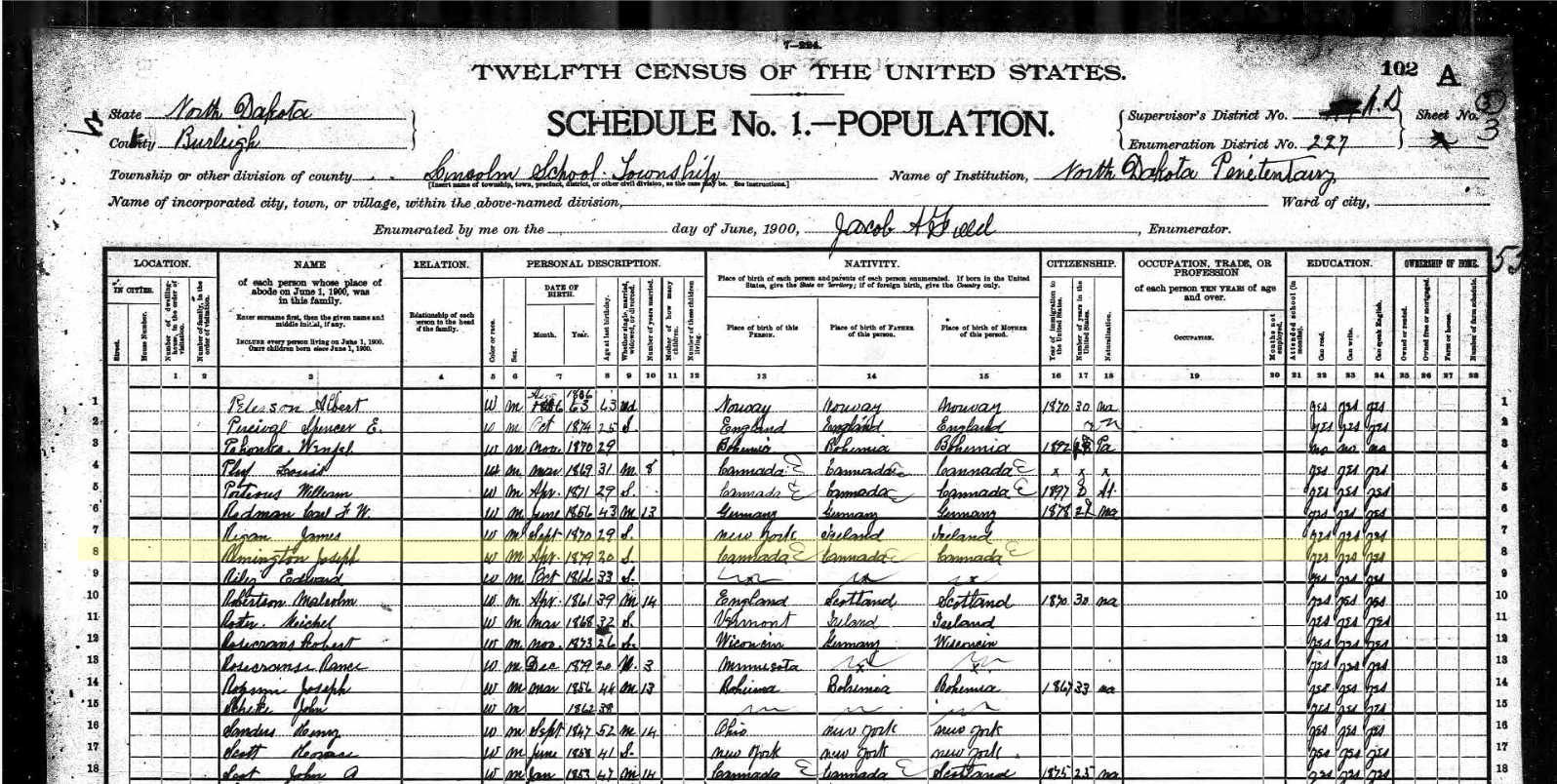
1900 Federal Census - Joseph Remington at the ND Prison
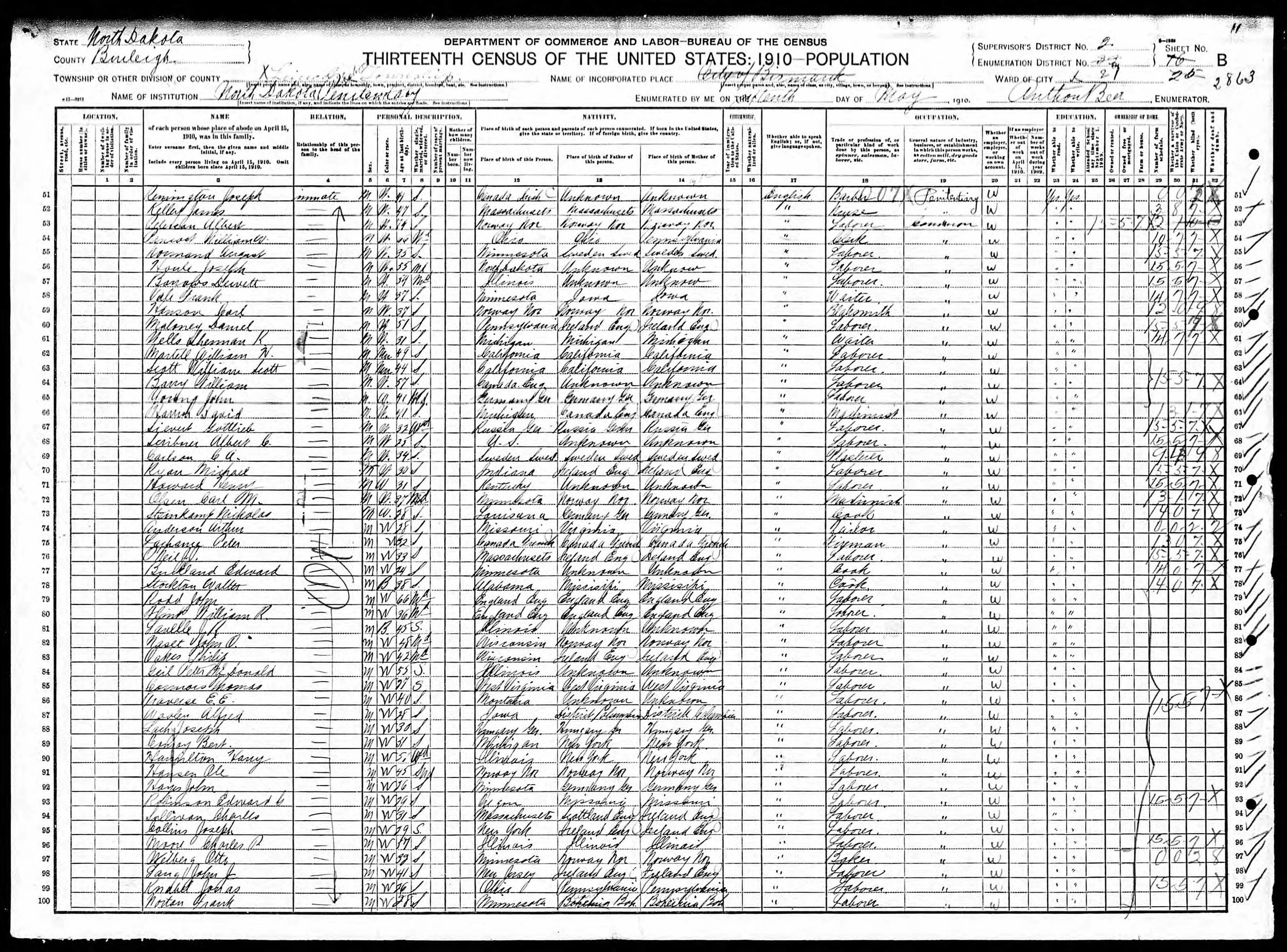
1910 Federal Census - Joseph Remington (first line) North Dakota Penitentiary.
In 1912, Remington was expected to be released on parole, as he apparently had a stellar record while in prison. The local newspapers reported that Scott County attorney Southworth had been studying the clues and was as they tied Remington to the Shakopee case so he could bring Remington back to Shakopee when he stepped out of the North Dakota prison. [Minneapolis Journal April 6, 1912]. Looking for a few months following this report in the Shakopee newspapers, no further mention of Remington or the case being brought up again could be found.
If you want to learn more about the case, you can always stop by SCHS and look through the files or the microfilm. There are a number of different “research rabbit holes” and different aspects not directly related to the case that can be found in the archives as well.
While Remington wasn’t a great guy, and although he was connected to William Spearman, he was never officially charged with the murders of John, Johanna, and George. As far as I could find, the case was never solved.
-Lindsay Marshall, Executive Director