Recent Program Highlights

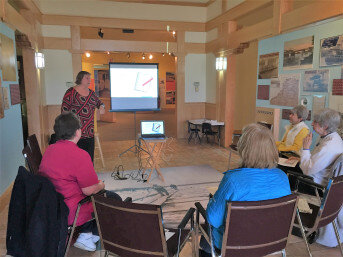
It’s been a busy few months at the SCHS! Below are photos and highlights from some of our recent programs.

we-were-here-too-5.jpeg

David Schleper presenting “We Were Here, Too: African-Americans in Early Shakopee” at the SCHS on Feb. 9, 2017.

– In February, we learned about the lives of several African-American men and women who lived in 1800s Shakopee, thanks to guest presenter David Schleper of the Shakopee Heritage Society.

soap-workshop-6.jpeg

Making lye soap at the SCHS!

– In March, Shelley Gorham from the Minnesota DNR taught us all about the Minnesota River valley, from the history of fur trading in the area to present-day habitats and wildlife. (PSSST- if you haven’t yet visited the SCHS’s “Minnesota River” exhibit, there’s still time! It will be up through the end of May!)

-In April, guest instructor David Hudson showed us how to make our own lye soap, just as people did in the old days. (Well, except we had the advantage of microwaves to help speed up the process!)

We’ve also had lots of fun kids’ programs recently!

– If you visited the museum on just the right Saturday in January, February, or April, you may have seen students carving tools out of rocks, throwing darts with an atlatl, or digging for artifacts in the museum garden. This was all part of our Youth Archaeology program. Big thanks to the Minnesota Arts & Cultural Heritage Fund for making these workshops possible!

– Meanwhile, younger kids enjoyed singing songs, listening to stories, and making crafts at our monthly Kids Kraft program, a fun opportunity to introduce young children to the museum.

We have many more great programs coming up, including our annual meeting next Thursday, May 18 featuring guest speaker and local racing legend John Boegeman. Register for that program here, and stay up-to-date on all of our events by visiting http://www.scottcountyhistory.org.
Prefabricated Homes: Page and Hill’s 15 Year Stint That Ended in Disaster

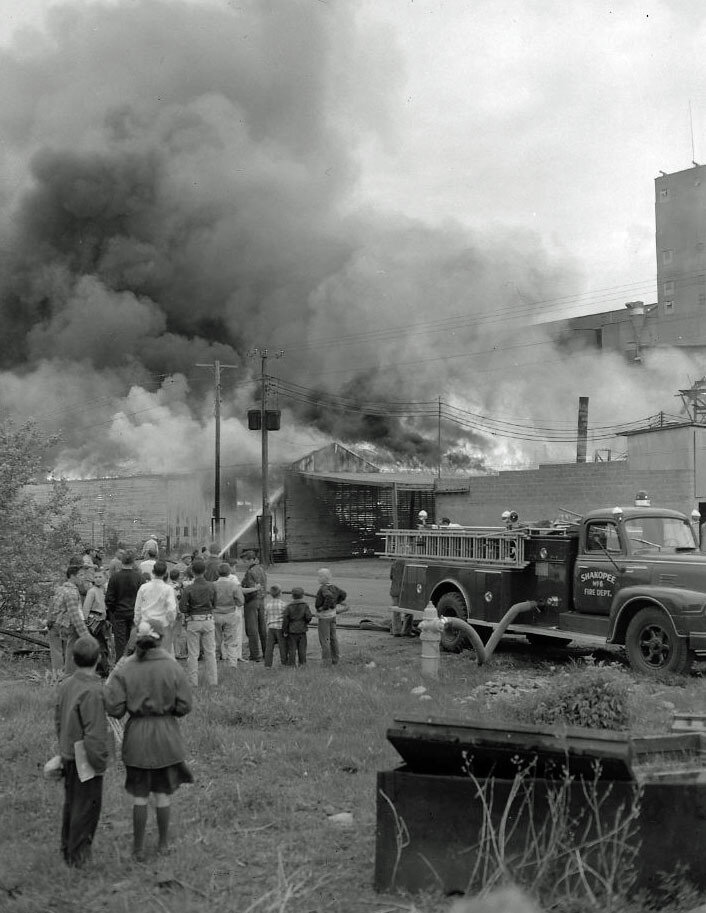
The Page and Hill Company moved to Shakopee in 1942 into the old Kienzle & Merrick oven enameling plant, and began operating in late June. They planned to make and sell prefabricated homes (also known as pre-fab or kit homes). They came in many styles, all designed by architects. Most things could be altered, giving each house a unique look and many possible floor plans. These were very popular for government use (in military bases) and for civilian homes, and are still very common. You can find whole neighborhoods full of prefab homes, and still purchase new ones today! Page and Hill employed many people during their 15 years in Shakopee. They planned to start out with 125 employees and increased that number to 500 in a few months, many of which were filled by women.

Two prefabricated homes (419 and 427 Seventh Avenue W.) that were constructed in 1948 are listed as historic properties today.

Within a few months of opening, the employees voted in a union and presented an employment contract to the company. The contract was not accepted, and this resulted in the declaration of a possible strike. The company was unable to accept more contracts (for 500 houses and several thousand grain bins) until the proposed strike was delayed for negotiations. A settlement was finally reached in late October 1942. Another labor dispute over the wages for skilled, unskilled, and common work caused a strike in 1948, halting the production of two houses a day that the plant was producing.

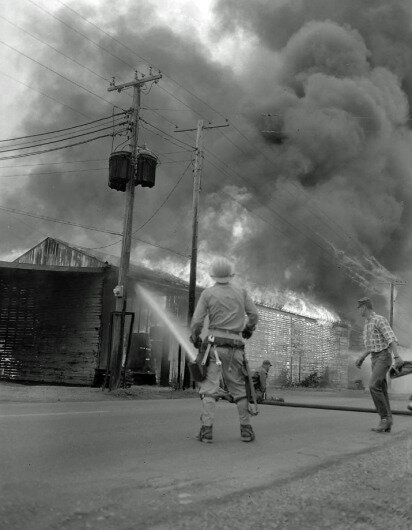
Nearly one decade later, in 1957, a fire swept through the plant. This caused a total of $500,000 ($4.4 million dollars today) worth of damages and destroyed a city block-sized area. The company either did not have the ability to recuperate after the major loss or did not want to rebuild, and decided on the permanent closure of the Shakopee plant.

The fire that caused the end of the Page and Hill Company in Shakopee was documented by LeRoy Lebens, who photographed the fire during its progress. These are photos of the fire.

Photo Treasures from the Lebens Collection – Shakopee Businesses

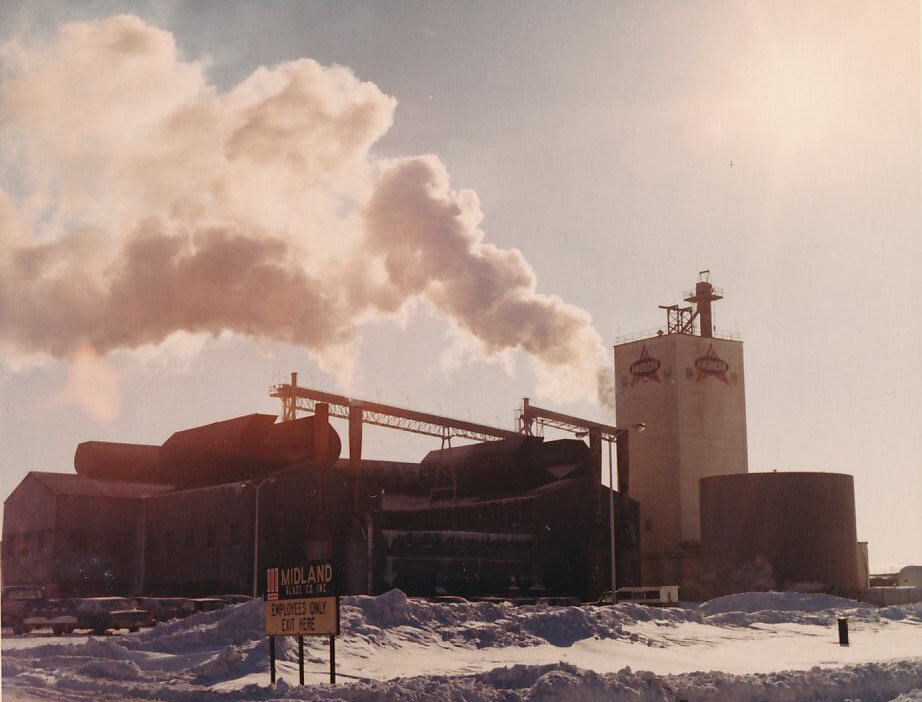
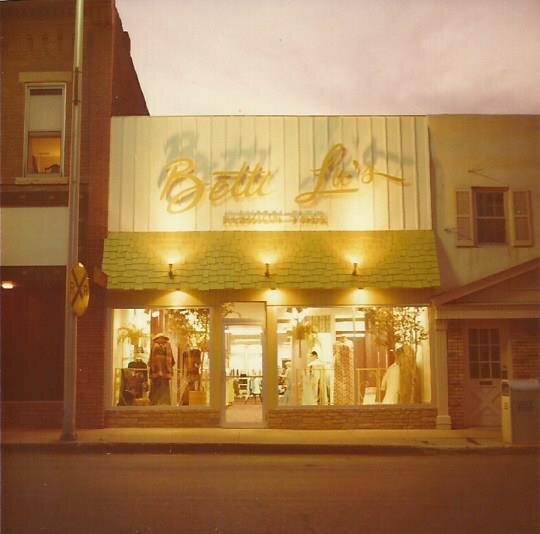
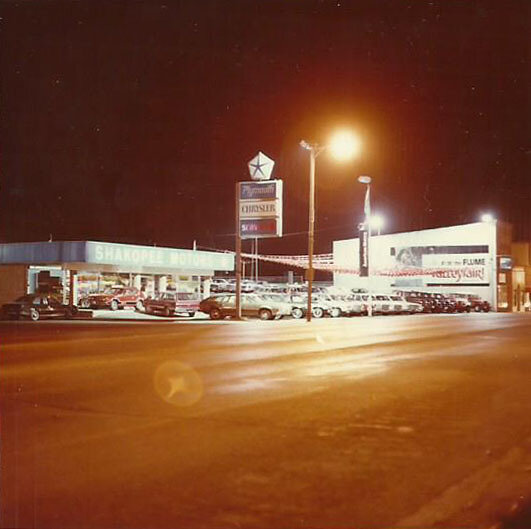
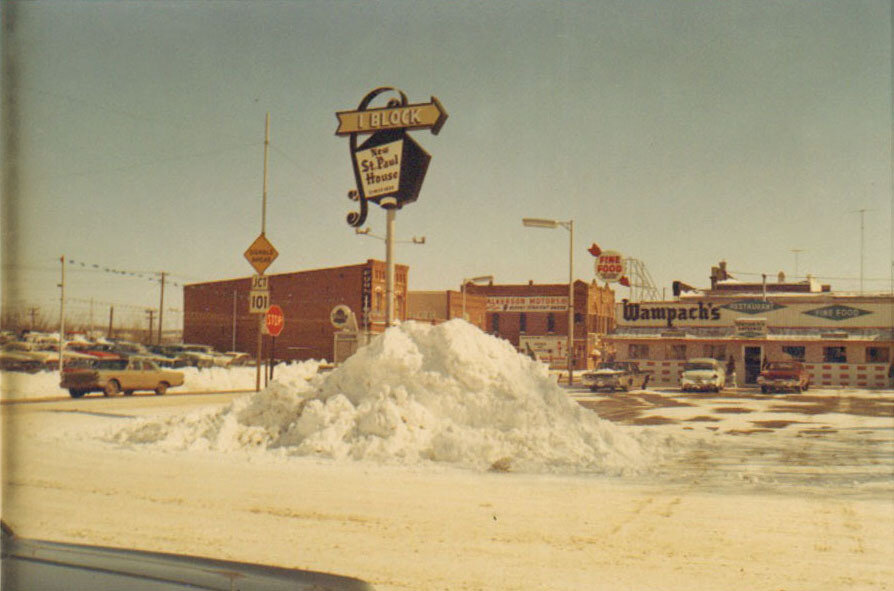
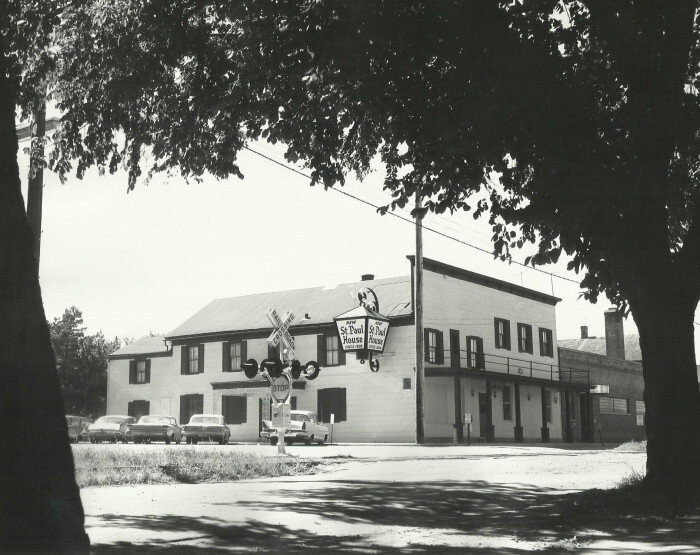
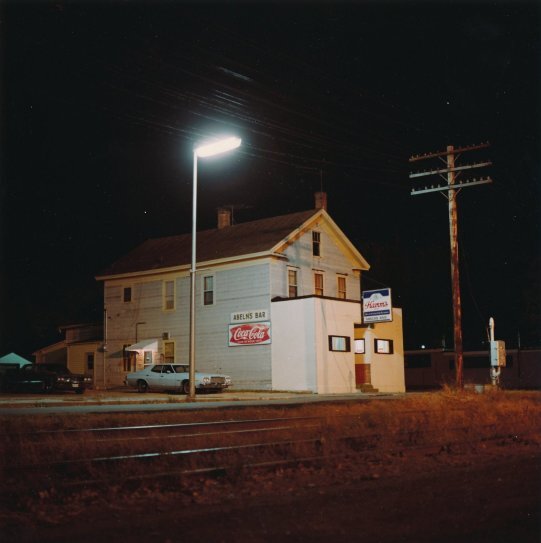
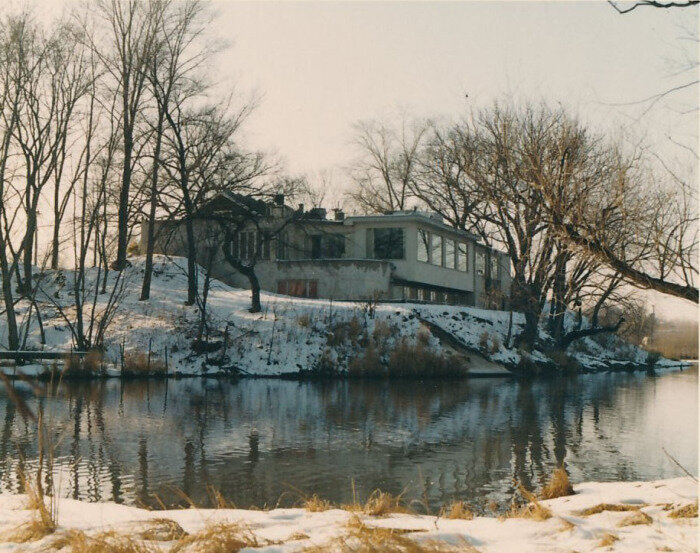
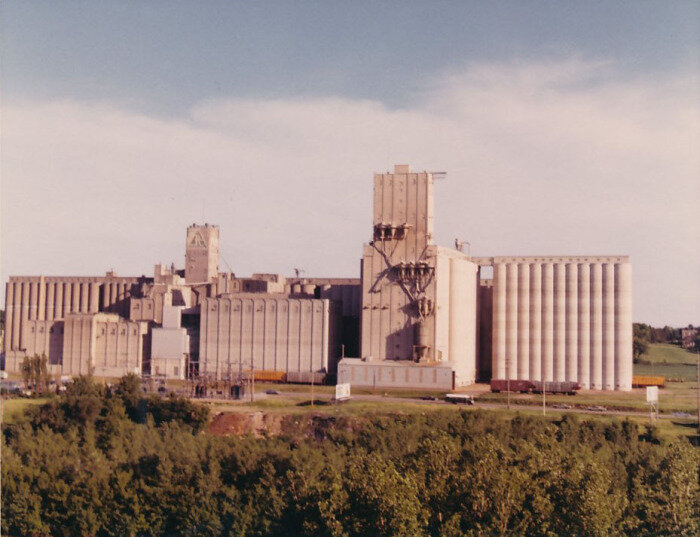
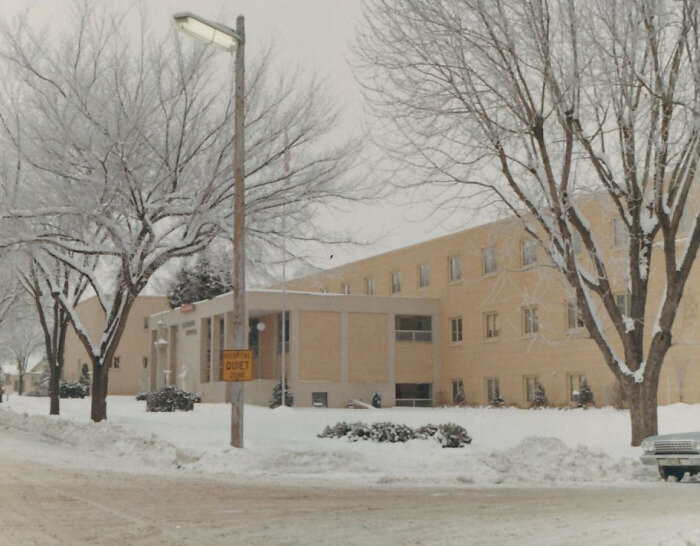
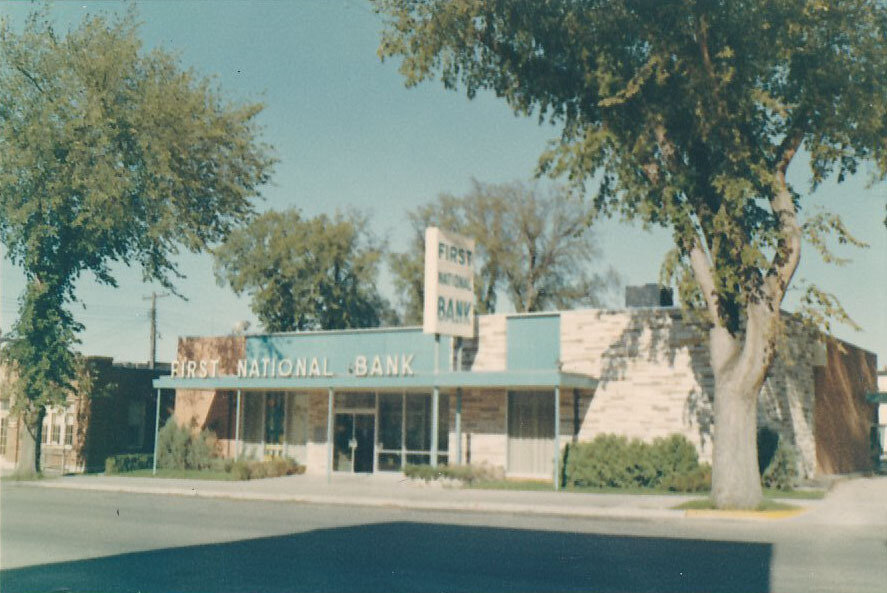
Over his long career in photography,  Shakopee native Leroy Lebens seems to have documented a little bit of everything in Scott County: weddings, construction, floods, graduations, sports, wildlife, and concerts to name a few.  He also happened to track the growth and development of many Shakopee businesses and institutions. This week we are taking a closer look at a few of these photographs of Shakopee businesses from his collection we have housed at Scott County Historical Society. Spanning well over thirty years, these ten pictures feature places you can still visit and some of which have long been closed. This is just a small sampling of what we have found so far. Take a quick trip down memory lane with us!

Shown: Wampachs, Midland Glass, Shakopee Motors, Rahr Malting, Betty Lu’s, Abeln’s Bar, Mill Pond, St. Paul House, St. Francis Hospital, and First National Bank.

Keep it or Pitch It?

Spring cleaning time is upon us, and with it, the eternal question: should I keep it or pitch it? Indeed, what to do with all of that stuff that somehow always piles up in the basement, attic, or garage?

To that end, the SCHS recently offered a workshop at the museum titled “Keep It or Pitch It?” This workshop was designed to help people who are in the process of cleaning out a room or a home figure out what they should keep and what they should pitch.

keep-it-or-pitch-it.jpeg

Kathy Klehr, SCHS Executive Director, took on the “keep” portion of the workshop. According to Kathy, items are worth keeping if there is a story attached, or some sort of sentimental value. (This brings to mind Marie Kondo’s book, The Life-Changing Magic of Tidying Up, which was all the rage a few years ago, and particularly Kondo’s suggestion to keep only those items that “spark joy.”)

If you are downsizing in your own home, or helping someone else to downsize, Kathy strongly recommends doing a walk-through of the home with family members in order to determine which items may have special meaning to them. Maybe one of your kids finds great sentimental value in that knick-knack you were planning to give away – better to find out now than after the fact!

Kathy also offered up some tips about how to preserve your “keep” items. (For instance, store photos in acid-free photo sleeves.) If you want to learn more about proper preservation practices, you can always contact the SCHS for advice by email at info@scottcountyhistory.org or  by phone at 952.445.0378.

Stephanie Herrick, Curator of Education, took on the “pitch” portion of the workshop. However, in honor of Earth Day coming up, Stephanie focused on alternative ways to dispose of your “pitch” items rather than tossing them in a dumpster. Her suggestions included:

  • Donate your items – There are a huge number of thrift stores in and around Scott County (Goodwill, CAPS Thrift Store, Bridging, etc.) that will take your donations of clothes, household items, small electronics, etc. Donations are usually tax-deductible! (And don’t forget, if you have an item that helps tell the history of Scott County, the SCHS will accept it for our collection!)

  • Sell your items – Selling your unwanted items has never been easier, now that we have the internet! Craigslist.org and Facebook garage sale groups are great go-to websites for selling stuff.

    Repair your items – As historians, we are always thinking about life long ago. Back in the day, people didn’t have the luxury of constantly replacing items – they had to repair them! You can too, either by taking them to a local repair shop or by giving it a go on your own. Google is your friend in this regard (true story – Stephanie once fixed her car radio by Googling how to do it!).

  • Repurpose your items – Take something you don’t want and turn it into something you do want by getting creative! A few vintage suitcases stacked on top of each other can become a nightstand! Old t-shirts can be sewn together into a new quilt! The possibilities are endless! (You can also check out Freecycle.org or TwinCitiesFreeMarket.org if you think someone else might be able to repurpose your items.)

  • Recycle your items – We all know that paper, glass, plastic, and cardboard are recyclable, but did you know you can also recycle shoes, computers, clothes, and carpets? There are TONS of resources online – the Recycling Association of Minnesota (recycleminnesota.org) is a great place to start. Also, most cities in Scott County have a city-wide clean-up day, so check out your city’s website for more information!

  • Pitch responsibly – Do NOT throw your household hazardous waste (medicines, household chemicals, paint, etc.) in the trash. Follow proper guidelines for disposing these items. Scott County residents can learn more here: www.scottcountymn.gov/578/Household-Hazardous-Waste.

Happy Spring Cleaning!!

The Other Side of Old Dolls

Written by Kathy Klehr

20120140026.jpg

For a lot of people, old dolls are creepy. Over the years, the media has painted dolls as psycho killers (Chucky, anyone?), and with the distorted bodies and missing parts that are portrayed in movies or shows, it’s no wonder that viewers get a phobia!

I think, instead, that dolls should be viewed as something that were once loved and treasured. For some, they could be the physical embodiment of sentimentality, and for others, they are. Take this doll, for example. This is a Charlie Chaplin doll from the early 1900’s (probably from around 1915), and was played with by Julius Coller II from Shakopee as a child. Does this look like a creepy doll to you? A doll’s label all depends on how well it has survived the years since its owner last played with it. This doll is in relatively good shape concerning its age. It’s just a little rough around the edges from use and the ever moving feet of time.

cat-1102_002_0.jpg

Take a look at the next photo, which is a less abused, nearly mint, similarly dressed version of the Charlie Chaplin doll above.

As you can see, Julius’s doll had gained much wear and tear from the love that the little boy had thrust upon him. Shown below is an image of the little boy that loved this doll so.


20120140819.jpg

Dolls aren’t so creepy after all when you remember the love and joy they brought children!

When you’re walking through an antique store or museum and see sad looking, or yes, creepy looking dolls, try and remember that like the man behind the Charlie Chaplin character, every doll has something else behind its worn appearance – the face of a once treasured toy.