Glass Photographs?

We take photos at the drop of a hat. A quick click and we can snap a ton of images or share a selfie with the world in seconds.  But not so long-ago taking a photograph was difficult, required great skill, and each image was precious.

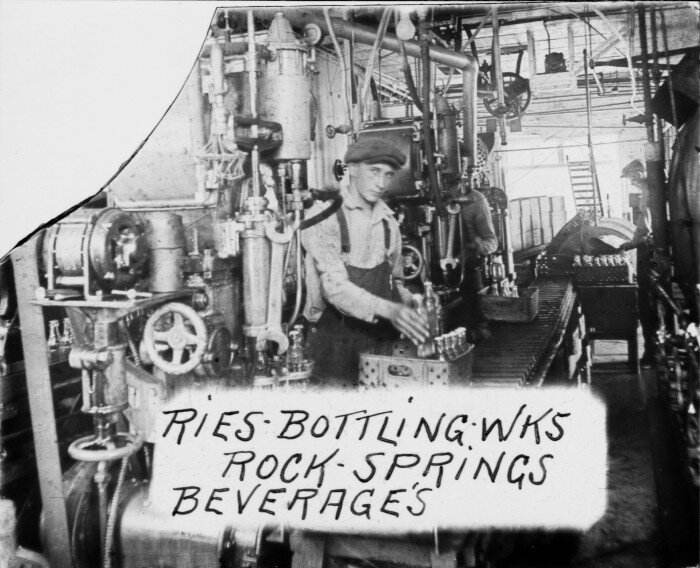
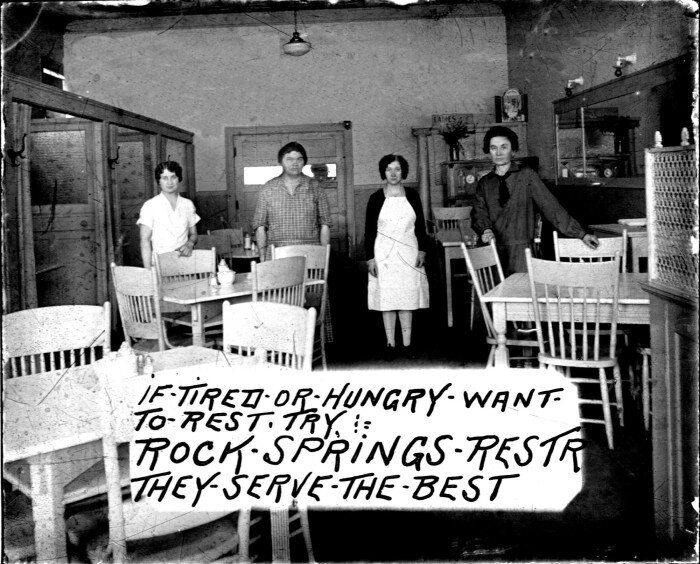
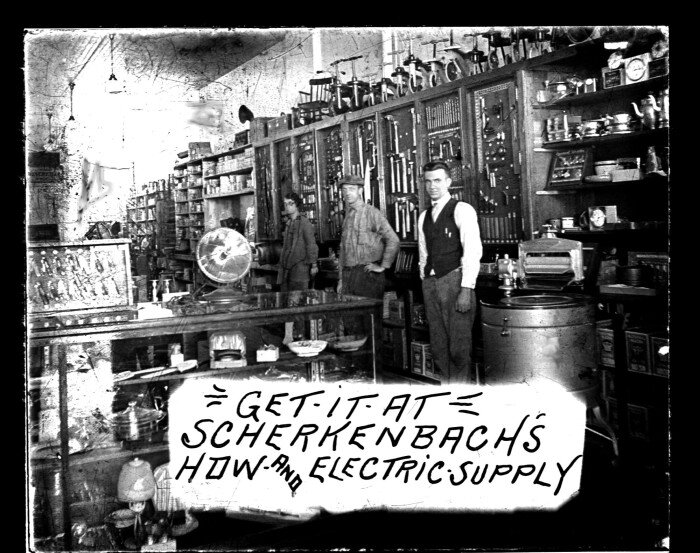
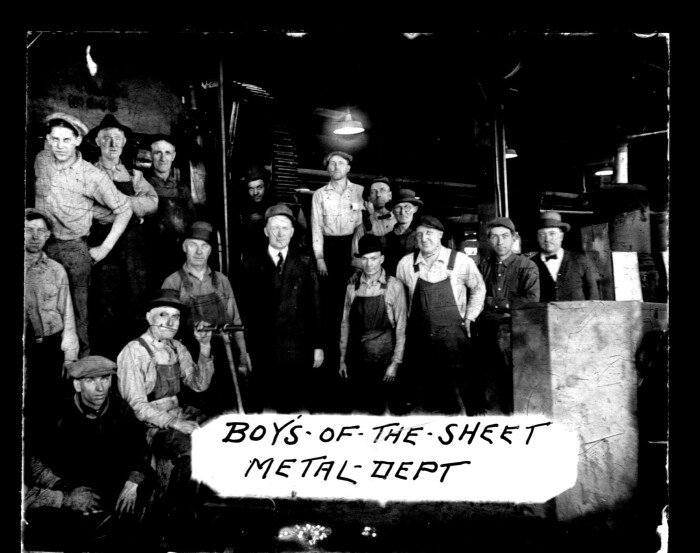
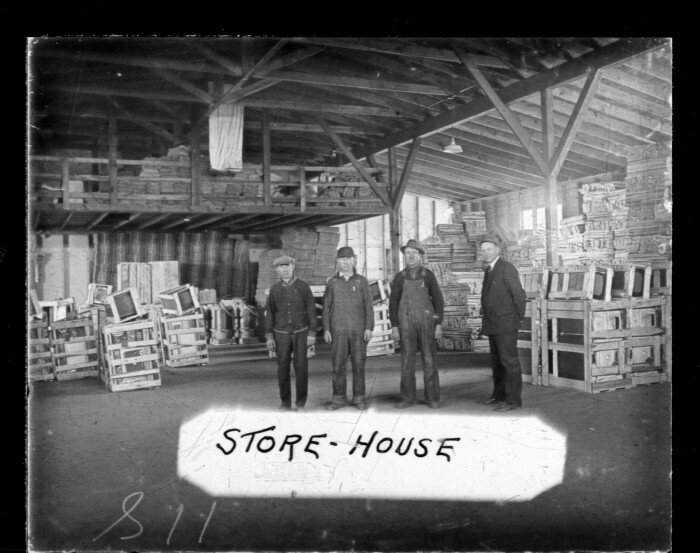
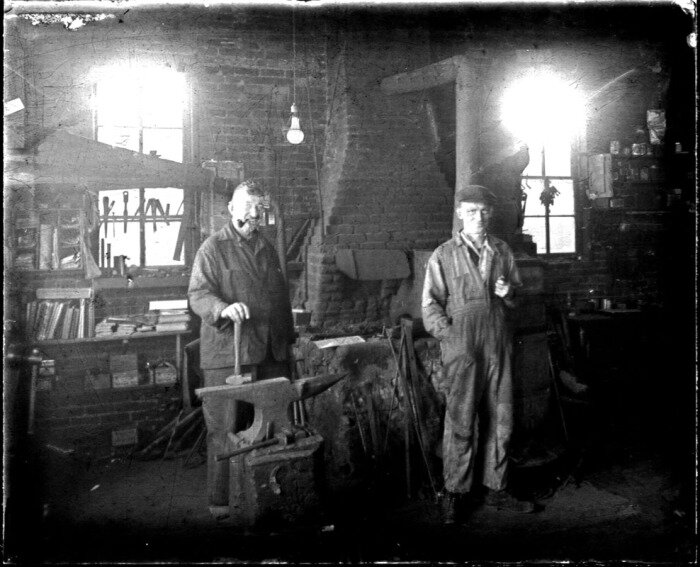
Beginning in the mid-1800s, photographers used glass plates to capture images – collodion wet plate and gelatin dry plate.

Collodion wet plate negatives were in use from about 1851 until the 1880s.  Collodion (a flammable liquid) was spread on a glass support (plate), then placed into a bath of silver nitrate, which turned the collodion into a photosensitive silver iodide.  When plate was exposed to light, it would capture an image. The big problem with this process (from smearing the plate to processing the photo), was that it had to happen before the plate dried; in about 5 – 15 minutes depending on the light.  You can identify these types of negatives by their uneven emulsion coating, thick glass, and rough edges.  Sometimes you can see the photographers thumbprint on the edge because they would be the one to mix and apply the emulsion.

Dry plate (Silver Gelatin) negatives were first available in 1873.  Unlike the wet-plate variety, gelatin dry plates were – yup you guest it – dry!  They were more easily transported and needed less exposure to light.  Photographers and manufacturers could prepare the negatives in advance and develop the images long after exposure. These negatives are identified by having thinner glass and a more evenly coated emulsion.  Dry plate glass negatives were in common use between the 1880s and the late 1920s.

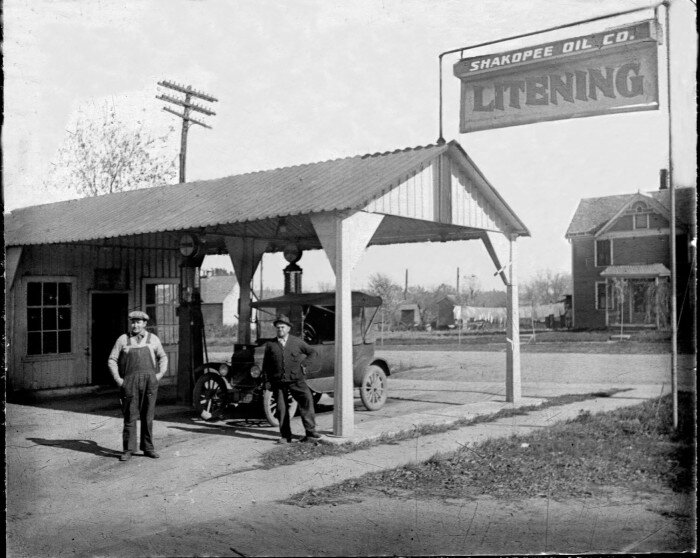
These types of negatives were used in view cameras – large hulky boxes. The great thing about photos made from these negatives is that they often contain a great amount of detail and subtly of tone, due to the skill of the photographer and the nature of the emulsions.  Common negative sizes were 4×5, 5×8 and 8×10, larger sizes were also common.

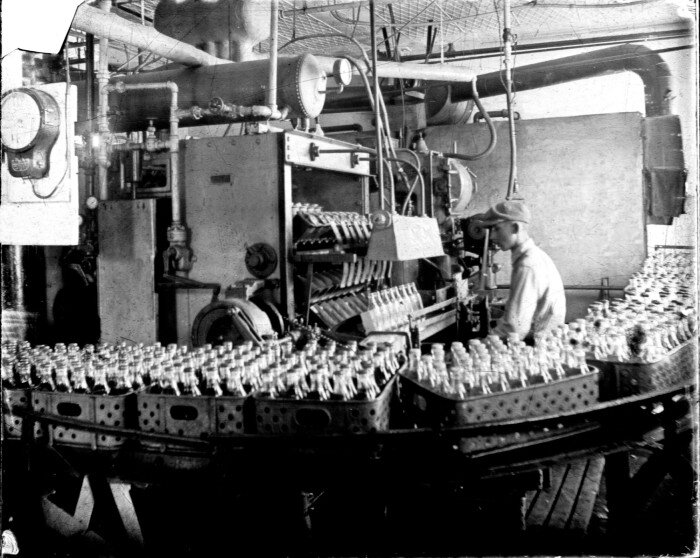
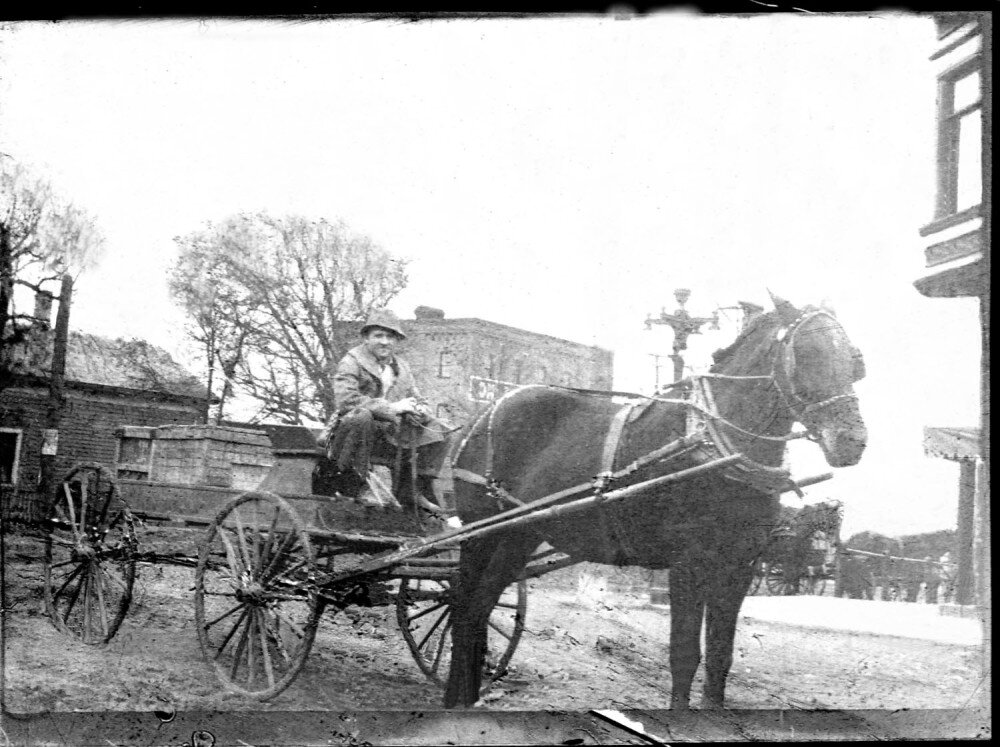
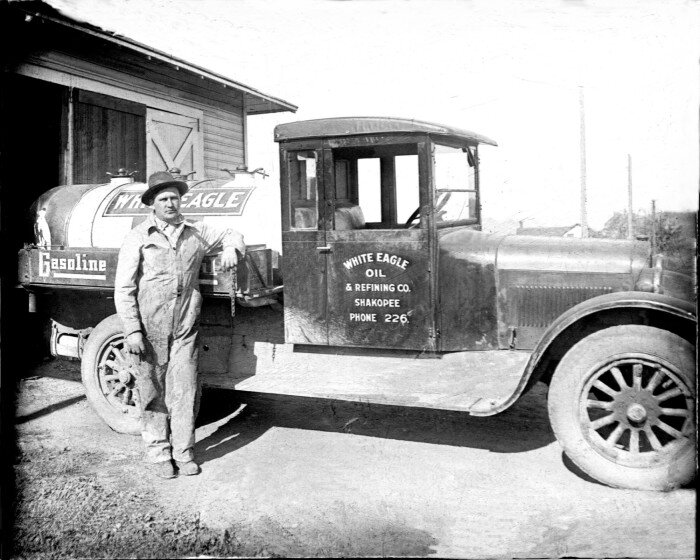
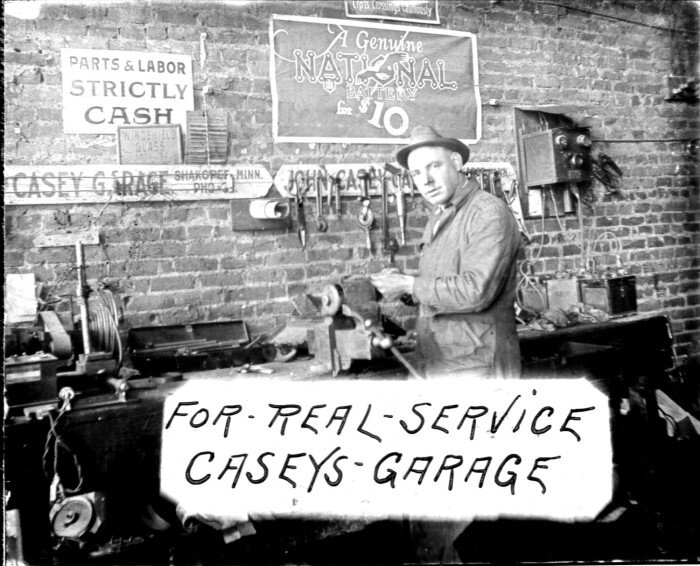
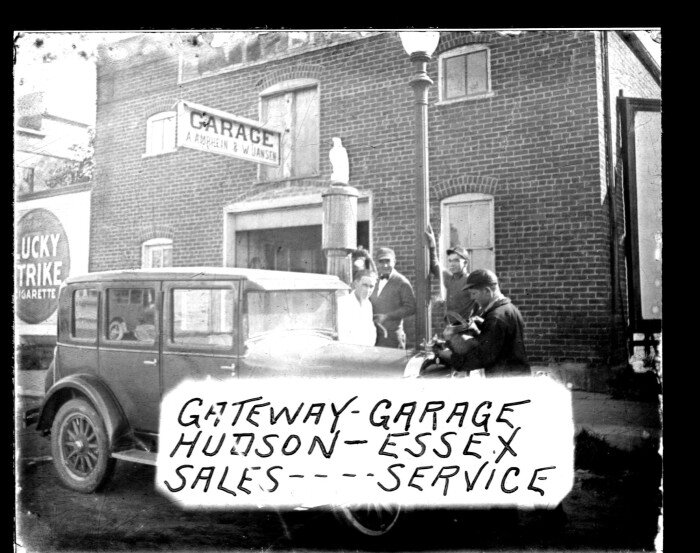
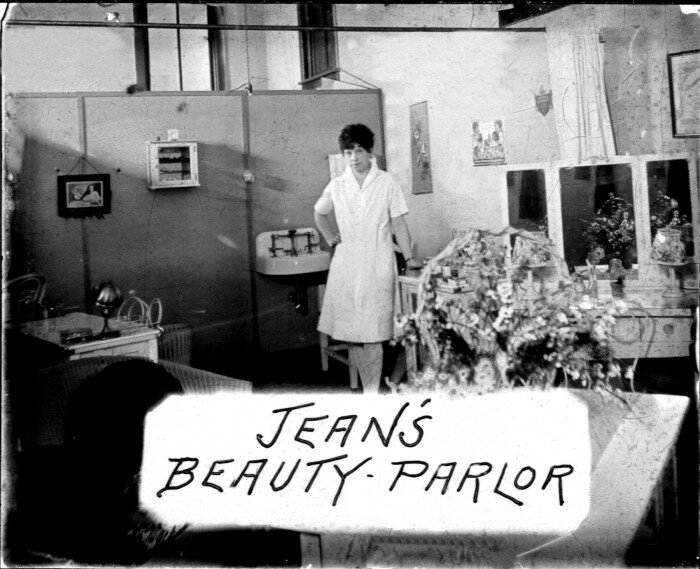
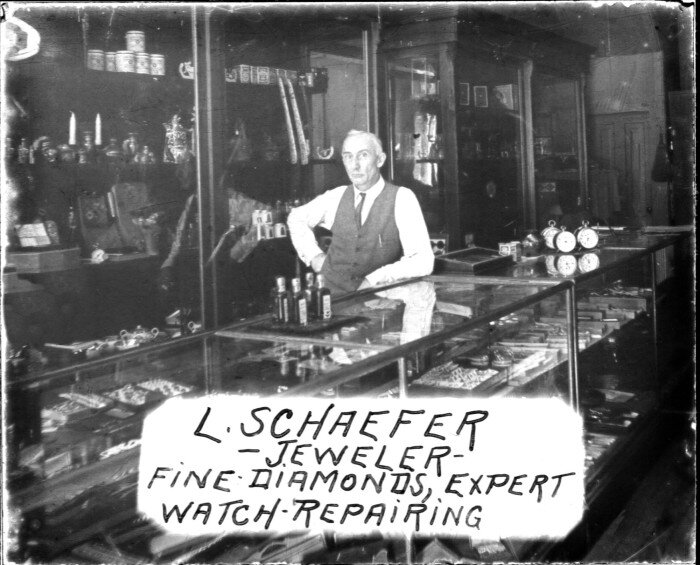
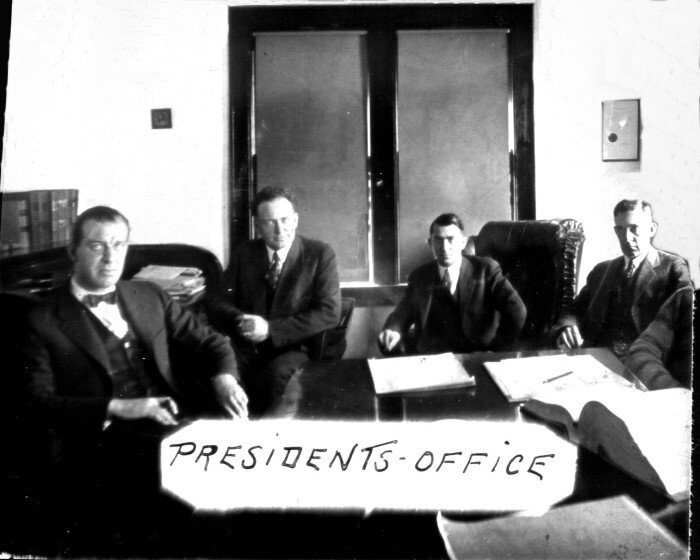
Click through photographs below to view a gallery of glass plate negatives in the SCHS collections.
Taking the photo:

Once a photographer was satisfied that his subject was sufficiently well lit and positioned*, they would select a plate and follow these steps:

  1. Place a dry plate (contained in a plate holder) into a slot in the camera

  2. Slide the cover from the plate holder to uncover the dry plate

  3. Uncover and then recover the lens. (By 1880, photographic plates were so sensitive that an exposure of less than a second was often enough to capture an image.)

  4. Slide the cover on the plate holder back over the dry plate

  5. Remove the plate holder containing the exposed plate, which was now ready for processing in a dark room.**

* Many times, photographers used frames or braces to hold a subject steady during the exposure time. Any movement could cause the image to blur.

** These plates could produce multiple prints

Developing the photograph:

  1. Moisten the plate in distilled water

  2. Place the plate in a glass or developing dish, and cover with developing fluid

  3. Wash thoroughly when the image appeared

  4. Place in a bath of fixing solution, and then wash and dry the plate. It could be varnished at this point, but this was rare after about 1890.

Printing Process:

Printing Out Paper (POP)

  1. Fairly thin paper treated with photosensitive silver chloride crystals in a gelatin glaze. (used for printing photos that were mounted on strong cards).  These prints would usually be toned and fixed.

  2. The POP would be placed under the negative in a special frame then exposed to daylight or artificial light until the image developed

  3. The print would then be washed in water to remove excess chemicals

  4. The print would then be toned using gold and platinum toners (to convert the silver into more stable compounds)

  5. Washed again and fixed using standard fixing solution

  6. The final step was to have the photograph air dried or, squeegeed on a clean polished glass surface and allowed to dry

Platinum Print (Plat), often used for landscape or architectural photos.  In this method the metal on the paper was platinum, not silver, and iron salts were used for developing.  These prints had a wide range of subtle tones, usually silvery-grey.  The price of platinum skyrocketed in 1907 and production of the paper stopped by 1916.

Carbon orienting was another process, which produced a matt finish in colors ranging from rich sepia tones to cooler shades of blue and grey.  These types of prints were resistant to fading so were most often used for commercial photos.  Other types of prints include Bromide, Bristol, Cabinet, Cameo, Carte de visite, Mezzo, and Vignette

Glass plate negatives are fragile, not only because they are made of glass, but also because the emulsions can easily be scratched or slip from the glass.  These negatives should be housed in an archival quality four-flap envelope, which enables the negative to handled without scratching the surface. The envelope should then be stored in an archival box on their edge (straight up & down) and stored with negatives of similar size.  Because these plates are heavy, the box shouldn’t be filled tight – a spacer can be put between the negatives to hold them upright and reduce the weight of the box.

Glass plate photographic material largely faded from the consumer market in the early years of the 20th century as more convenient and less fragile films were adopted.  However, plates were still being used into the 1970s, most likely because of their great detail and tonal qualities. 

Flexible films were available in the late 1880s for amateur use, but the plastic was of poor quality, tended to curl, and initially was more expensive to produce than glass.  However, quality improved and manufacturing costs came down and amateurs abandoned plates for film. Now as technology changes yet again, we’ve abandoned film for digital images.


Why is the New Year in January?

hail-caesar.jpg

If you have ever wondered why the New Year starts in the freezing cold of January, you can thank Caesar. That’s right, Julius Caesar, leader of the Roman Empire. Before Caesar took power the length of a year was somewhat subjective. Politicians in Rome might add days, or subtract days to increase terms in the Senate; and it was based around the phases of the moon, but kept falling out of line with the seasons. Enter Caesar, who sought to set the calendar into a more predictable cycle, except he did so starting most of the way through the year, 45 B.C.E. As such, the Julian calendar began on January 1st instead of in March as was tradition.

By the time of the Middle Ages, the holiday had fallen into obscurity. Everyone knew the year started on January 1st, but the celebration of it went unobserved. The reason was because January 1st kept moving. Caesar did not calculate that a year is about 365.24 days long; instead he calculated at 365.25. After about a thousand years of adding a few minutes every year the calendar ended up having 376 days and kept adding. So in 1582 the Gregorian calendar came along and instituted the idea of the leap year to balance things back out. Since then, the first has been consistent, and thus people began to celebrate the New Year with regularity.

Happy New Year for all of us at the SCHS!

Written by Dave Nichols, Curator of Collections

New Years: 1919

Capture.JPG

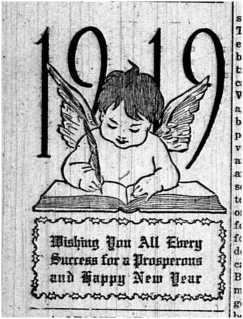
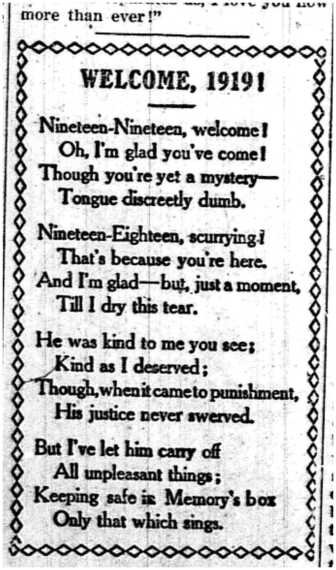
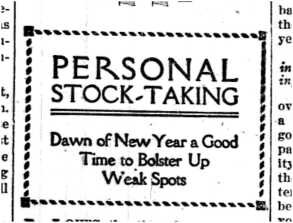
One hundred years ago Scott County was recovering from the Great War. International affairs, influenza, and global food supplies dominated newspaper headlines, pushing aside the local interest stories that had held the front pages prior to the outbreak of war. New Years 1919 was a chance for people to reflect on the violence of the past year and to envision a future free from war. As we leave 2018 behind, take a moment to explore the fears and dreams of Scott County as published in the new years editions of  newspapers from 100 years ago.

Belle Plaine Herald
January 2nd, 1919

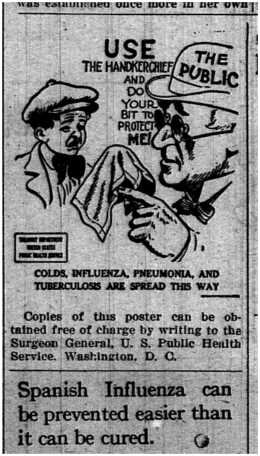
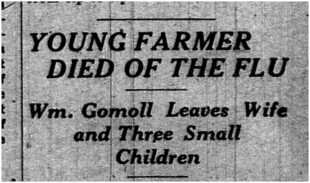
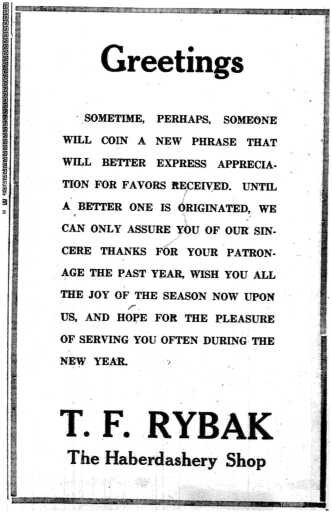
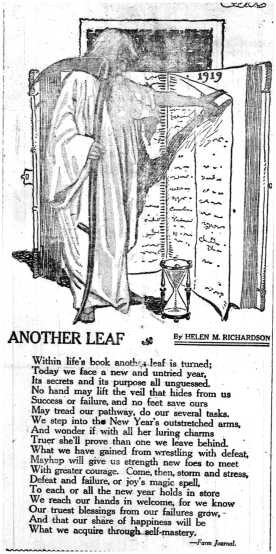
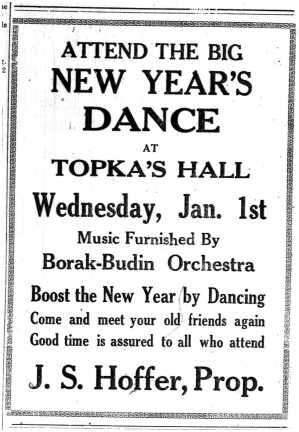
The front page new of the Herald was the Great War and the flu. Prominently featured were the obituaries of two Belle Plain citizens, William Gomoll and the young soldier Frank Strandcutter, who had fallen victim to the 1918 flu epidemic. The paper’s featured article was “Some War Experiences”, a tribute to soldiers from Belle Plaine who had fought in the Great War. In local news, the paper praised Belle Plaine for growth in the face of wartime shortages.

Images below are from the Belle Plaine Herald, January 2nd, 1919

 Jordan Independant
January 2nd, 1919

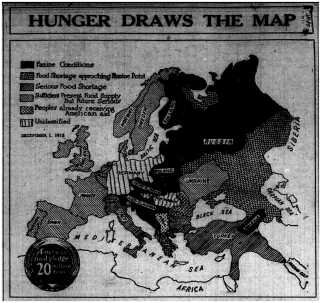
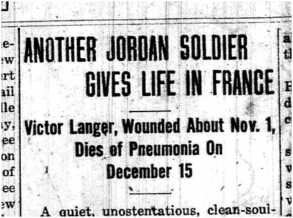
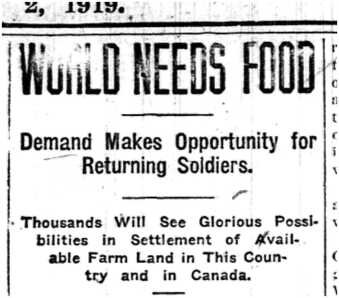
The 1918 flu was also featured prominently on the front page of the Jordan Independent, as were wartime recollections. The headlining article was a wartime letter home from a soldier, published in its entirety.  Local front- page news highlighted the need for year-round county roads in order to keep communities growing and expand access to goods. Inside the paper, international affairs took the spotlight, with special attention on global food shortages.

Images below are from the Jordan Independent, January 2nd 1919

 Shakopee Tribune 
January 3rd, 1919

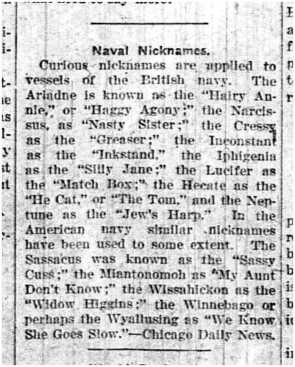
Like the rest of the county papers, the front page of the Tribune featured war news and sad news of county deaths due to flu and a train accident. The Tribune also inserted some levity with a piece on British naval nicknames, and an article on proper floral arrangement in vases- an odd choice for the flower-free month of January. Finally, the front page declared 1918 to be a year of steady progress in Shakopee.

Inside, the Tribune dedicated a full page to the joyous formation of the peace-keeping League of Nations. An article also outlined tensions in Syria, a piece that sadly would not have seemed out of place today.

Images below are from the Shakopee Tribune, January 3rd, 1919

New Prague Times
January 2nd, 1919

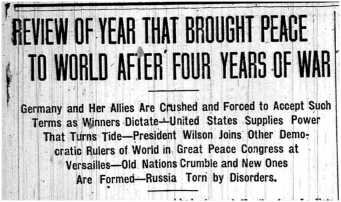
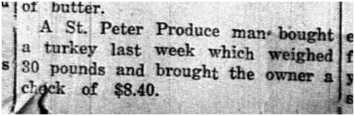
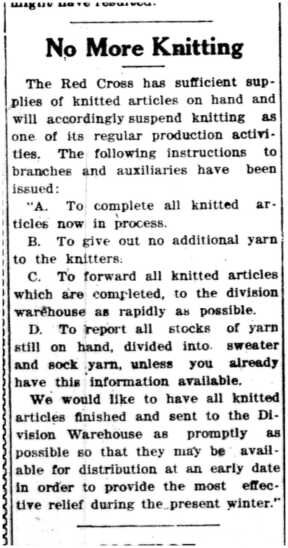
New Prague used their front page to pay tribute to many who had lost their lives in the previous year, including many flu victims,  in a New Years edition of the regular column entitled “Brief Neighborhood News”  Oddly, the column ended by highlighting the purchase of a turkey. The font page also outline the terms of the Great War peace treaty, and urged New Prague residents to join the Red Cross.

International news dominated the inside of the paper, with headlines such as “Russians In Sad Plight”, and “Puerto Rico Requires Food”.

Images below are from the New Prague Times. January 2nd, 1919


Scott County Argus 
January 2nd, 1919

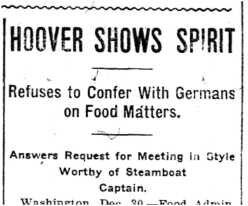
The Argus’s headlining New Year story praised Minnesotans for their war efforts, bearing the headline “Food Administration Proud of State Record”. Like most county newspapers of the times, those that lost their lives were honored on the front page of the paper, including the influenza death of Gilbert Vierling. The front page also announced plans to build a reformatory for women in Shakopee.

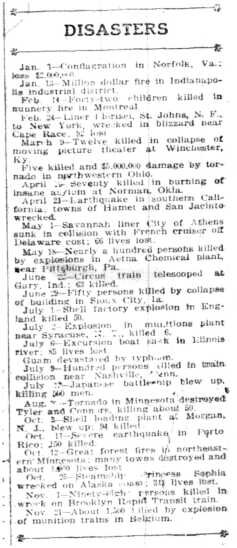
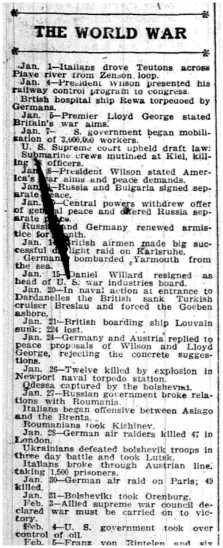
The Argus was dominated by a timeline of events of 1918, organized into the cheery categories “World War”, “Domestic”, “Necrology” and “Disasters” Recent war news was highlighted with the headlines “Chaos in Russia”. “Why Polish Statehood Should Rise”, and “Martial Law in Polish Streets”.

Images below are from the Scott County Argus, January 2nd, 1919


Written by Rose James, SCHS Program Manager

A Window to the Past

The Scott County Historical Society gathers and preserves all manner of items and materials from around the county. Among them are archival materials, letter, business records, cards, brochures, etc. As a new year approaches this seems like a good time to promote our wonderful archive. While currently many of these items are not up online to be searched, we will be starting to add them to our online database on our website soon.

Our archive is ever growing and full of wonderful materials. If you are interested in genealogy, maybe see if we have photographs, old deeds, we might have a diploma from a great grandparent, or a letter they wrote to family overseas. While we work to make our archive more accessible to the public, know that it is a resource available to you. If you are curious what we have, or if you are looking for something particular, contact us and we can do some quick searches.

Archives are instrumental in research and preservation. Documents, photographs, even oral histories are all stored in our archive to be used as tool in their searches through history. On that point, we would also like to encourage you think twice before deleting old emails, or tossing out letter or pamphlets you get. While those items might not have a use to you anymore, we might be able to use them as a snapshot of life and times today. It is important that we remember that we are living history right this moment, and we must share, collect, and preserve today as much as do yesterday.

DSC02999.jpg

Santa Claus is Coming to Town

19950120108.jpg

As the Christmas season begins to get into full swing, people we start shopping for Christmas presents, family will begin making plans to travel, and of course Santa! Tis the season when we will begin to see Santa Claus on our TV, on billboards, and most importantly in person. Shopping centers, town halls, and community centers nationwide will soon start having visits from Santa.

Have you ever wonder how St. Nick became so busy leading up to his big day? The use of Santa in stores has been attributed to James Edgar in 1890 in Massachusetts when hired an actor to play the role. Store employees acted as Elves to help him with the flood of children. Having your picture taken with Santa dates back to at least the 1910s.

Santa’s workshop, or some name to that effect, is a staple of the Christmas season in most communities. Pictures with Santa are as much a tradition for many families as Christmas cards. While the trend of an in-store Santa may have begun in 1890, a store Santa can expect to work ten hour days and see over 30,000 kids a season. In fact, schools across the country now train people to play Mr. Kringle. Since so many are running around, I guess they do know who has been naughty or nice.

If you want a chance to see Santa for yourself, then bring the family down to the museum this Saturday December 1st. We will have Santa in the Stans House, as well as marshmallow and weinie roasts in the Community Garden. It’s the annual Holiday Fest and we would love to have you come out and enjoy the day with all of us here at the museum.