Pedaling Scott County’s Past

perminant-roads-for-biking-july-19-1897.jpg

It finally feels like spring at the Scott County Historical Society. There’s a green tinge in the Stans Garden, and plans are underway for summer programs, festivals and fairs. I am particularly excited for a series of bike tours highlighting the environmental and social histories of Shakopee, Jordan and New Prague. In the process of preparing for these tours, I started digging into the two-wheeled history of Scott County

                Biking has always been an essential summer pastime of Scott County. On October 26, 1893 the Scott County Argus front page boasted an editorial entitled “Riding A Wheel”. It begins “As in everything, a young girl has the best time of it in learning to ride a bicycle”. The piece goes on to describe the trials a young woman might endure in mastering a bike,  but concludes with “It is better to depend on oneself than lean on the shifty arm of a man. For arms tire and become sorely aweary, but the will of a woman is the truest steel”. 

                A few years later the July 19th 1897 issue of the Argus published a scathing review of the public highway system written by the Farmers Union. It begins with “Not for many years has need for better country roads been felt so much”. It continues, “Road repairs may seem expensive under the most favorable of circumstances, but when the cost of cartage and the expense of future repairs are taken into account, the cost of road repairs now would probably be less expensive if choices are economically made”. The sentiment would not seem out of place today, except the farmers were not arguing for better roads for motorized vehicles. Instead, they wanted the country to expand highways for bikes.

                On June 19th, 1900, William Hinds extoled the virtues of a new bike path from the Twin Cites to Shakopee, explaining that “With a good cycle path from the cities to this point we will see from fifty to two hundred riders from the cities here on every pleasant Sunday or Saturday afternoon, and the business of many firms, hotels, refreshment shops, soda water fountains and cycle shops will be largely increased in consequence”. He also said that the “The short run, fifty miles for the round trip, will serve to make it very popular for those who ride for pure and simple pleasure”. Bikes were so popular that on July 7th, 1897 it was published in the Argus that the State Agricultural Society declared that September 11th would be “Bike Day” in Minnesota.

                In fact, in the Local and Personal page of a single issue of the Argus, June 17, 1987, the following messages were posted:

·         Miss Mabel Peck entertained Misses Purdy and Loftus of Minneapolis Sunday, the young ladies made the journey on their bicycles.

·         Misses Adelaide and Rosa Marks delight in the possession of a new bicycle of the Fleetwing make

bike-ad.jpg

·         D.W. Pettit made the trip to and from Minneapolis by bicycle Sunday

·         Bicycles for rent by the day or hour by EJ Gellenbeck

·         Misses Annie and Lizzie Ries now in possession of a Fleetwing bicycle bought of JC Marx. The Fleetwing is the companion wheel of the Envoy line

·         Mrs. D W Petit returned Monday by bicycle from a week’s visit to Minneapolis

Along the sides of that page are lines of advertisements, including two for different bicycles. It is clear that the introduction of bikes gave a new sense of freedom to residents of the area, especially women. Bikes were used to visit friends and family, travel into town, and opened up new possibilities for work and entertainment.

                Today, bicycles are still important to Scott County. Shakopee alone boasts 80 miles of bike trails. You can still take a Sunday bike ride to the twin cities along the Minnesota LRT, Cedar Lake Trail and the Minnesota Greenway. If you are interested in joining us for summer bike tours, tickets are available now for our May tour of Shakopee. You can find more information at our website or at https://bit.ly/2oMtC6

Written by Rose James, Program Manager, Scott County Historical Society

The Sound of History: Music and Society in Scott County

1999-053-0102_modified-e1524257433506.jpg

When it comes to history, it is easy to see how people’s clothing has changed, how houses look different, or even how social customs evolve.  We often take it for granted that life sounds much different than it did 100 years ago.  I remember watching an old episode of The Twilight Zone in which a scientist experimenting with time travel in 1961 brings a violent cowboy from the 1880s into his present.  The cowboy, a master of his environment in the 19th century, is nearly driven mad when he walks out onto the New York street and hears cars honking their horns, jukeboxes blaring from diners, sirens whizzing by, and the dull roar of the city crowds.  The difference in sound between his world and the modern world was overwhelming.  Today, we can walk into virtually any business and hear music piped throughout the store or restaurant.  Our cars are equipped with radios, tape decks, CD players, or even DVD players, turning them into portable sound machines.  And our homes have just as many, if not more devices that emit constant streams of sound, television being chief among these.  In the pioneer days of Minnesota history, long before these technological and cultural innovations enveloped our everyday worlds in sound, music was a much more powerful social force.

Social connectedness was one of the underlying purposes of music for a long time, and still is among those who go to concerts, play in bands, or sing in choirs.  Just as music was an important part of individual expression and entertainment, live musical performance was an important social activity that brought individuals together and connected them to their communities.  Here at the Scott County Historical Society, we have a number of items that illustrate this important musical legacy throughout the county.

The earliest pioneers to the county brought their musical instruments, skills, and traditions with them from the eastern U.S., Germany, Ireland, Luxembourg, Bohemia and other countries.  In those heady days of land-grabbing and town-founding, dances and parades were some of the few occasions when settlers could enjoy themselves and interact with one another.  Maine native Daniel Storer kept an extensive journal of his migration to Scott County in the early 1850s and his new life in Shakopee.  Like many pioneers, Storer was multi-skilled and held numerous positions in the new town: carpenter, justice of the peace, town clerk, as well as fiddler and singer.  His journal, published by the Shakopee Heritage Society, gives a glimpse of Storer’s success as a fiddler.  It also hints at the social interactions of others during such festive occasions:

December 14, 1854Went to a party in the hall in the eve.  Gates and I played for them.  A good many got drunk.  I took Dr. Ripley’s lady home, and he was so mad that he set out to shoot me.  He was so drunk himself that she would not go with him.

December 19, 1855Went to Mrs. Holmes’ birthday party the night of the 19th.  There was a large crowd of people there.  Douglas and I played for them.  John McCormick, whom I used to know in Stillwater, was after me to go to Eden Prairie the same night and play for a dance there.

Storer’s talents were much in demand, and the playing provided him with a little extra income.  More importantly, he and other pioneer musicians brought townspeople together.  Young men and women could court at such functions and strengthen their relationships with dance and conversation.  Business might be conducted, or neighborly disputes settled (or commenced, in Dr. Ripley’s case).  For many, town hall dances and concerts would simply be a much-needed reprieve from their daily toil.

Storer also witnessed several dances and songs performed by the Mdewakanton Dakota (Sioux) of Chief Sakpe’s village.  Like Samuel Pond in his recollections of the Dakota in 1834, Storer was entranced by Dakota music, yet failed to understand it as a vital part of Dakota culture.  Dakota traditions emphasized connectedness and kinship, and dances and singing were a way of reinforcing stories and memories from their history.

Browsing through our photograph catalogue, a researcher might find any number of images of marching bands parading through the streets of downtown Shakopee, Main Street in Belle Plaine, or Water Street in Jordan.  Many of the occasions for which bands played in small towns and cities were tied to community or national celebrations, such as Independence Day, or Armistice Day.  One photo from 1925 shows band leader extraordinaire Hubert Stans with his Shakopee band during the annual picnic of the American Range Corporation.

plano.jpg


Bands were an effective way to create fanfare to advertise business or products.  Two photos from Belle Plaine in the early 1900s bear this out.  “Plano Day” on June 19, 1901, took place along Main Street.  The marchers advertised machinery made by the Plano Company and sold in town.  American flags waive and signs read “Plano Plano” and “Plano Leads the World.”  The band in the middle of the photograph is the Valley Coronet Band of Belle Plaine led by Matt Hally and Barney Kirchoff.  The band is headed straight for a muddy patch at the intersection of Main and Meridian (or else a large pile of horse manure).

In a second photograph, this one from 1904/5, we are back on the same corner in Belle Plaine with the same Valley Coronet Band, but a different product and different advertising scheme.  Rather than a march, we have a stunt, with six men on a makeshift stage pulling on a pair of overalls to demonstrate their durability.  At such parades one might hear rousing songs with names like, “Robinson’s Grand Entrée,” “The Explorer March,” or “March Independentia.”

overalls.jpg


The coronet was a smaller version of the trumpet, and coronet bands were popular throughout the county.  Hubert Stans was an accomplished coronet player in his Shakopee band and Chaska Sodality Band.

coronet1-e1524257381178.jpg

In Jordan, the Germania Band, the Jordan Coronet Band, and the Jordan Imperial Band, all made use of this light and loud instrument.  Most cities proudly built bandstands in public parks and other gathering places to accommodate the growing number of musical groups.  The resorts around Prior Lake and Spring Lake always promoted their band pavilions and Saturday night dances to vacationers as their main social events.

While bands played at civic occasions and for advertising purposes, other people voiced their opinions about important political and social issues through song.  The anonymous writer of a temperance song from 1880 probably intended his song to be circulated among others who supported the prohibition of alcohol.  The lyrics come from an older temperance song that may have been written by New England poet and abolitionist John Pierpont.  The song is scribbled on a scrap of lined paper, and the author must have had some formal training in music to be able to put notes to the lyrics.  One verse captures the crusading spirit of their movement: “No alcohol we’ll buy of sell/ Away, away the bowl./ The tippler’s offer we repel,/ Away, away the bowl./ United in a temperance band,/ We’re joined in hearts,/ We’re joined in hand./  Goodbye to rum and all its harms,/ Farewell the winecup’s boasted charms,/ Away, away the bowl,/ Away, away the bowl.”

Throughout the history of the county, communities have produced musicians and forms of music that helped strengthen social ties.  Music and performance had a way of bonding people together and bridging the gaps between communities.  It is a rich area of historical research that can lend perspective to the way that we experience musical performances today.  How is music a part of our lives in a way that connects us to one another?  Do we recognize and respect local musicians or musical traditions with the same pride that communities did in the past?  How has technology changed public and ceremonial forms of music?  Whether music brings us together for a local festival, a family celebration, or a social cause, it is a significant historic source of heritage, entertainment, and social well-being.

If you would like to know more about this topic, visit the Scott County Historical Society on the web and search our catalogue at www.scottcountyhistory.org, or email us at info@scottcountyhistory.org.

By: Patrick Rodgers, past SCHS Curator

The New Guy

img_0858.jpg

As the new Curator of Collections for the Scott County Historical Society, I wanted my first blog to be something of an introduction. I was going to tell you a story of who I am and about my background in history. However, I was given the idea to instead talk about what it is like to be the new guy. What is it like to start at a new place, with new people, and new ways of doing things? How do you start? What do you do? How do you feel? I thought about this and realized that this is a good opportunity to tell you about myself in a different way. On that note, I would start by saying that my first few days could be summed up in two words, “I’m lost!”

It has been my experience that starting a new position can be one of the most exciting and confusing times in someone’s career. I’m still not entirely sure how I got here, I remember asking for a job and suddenly having one. Since I started with SCHS I have had to learn whole new ways of doing things, while at the same time knowing exactly what I am doing. The history field is strange in that way, everyone does things differently but we all end at the same thing. You save the same types of history and information no matter where you go. I only wish best practices told me how to manage my office.

As you can see, my office is full of all kinds of things, each one with a story, and each one a total mystery to me. For example, I found a box on a shelf full of pictures. I looked and looked and couldn’t find a thing on them. A box of 300 some pictures and I had no clue what to do with them or even what they were. Here begins the lesson of a new job, ask questions, every question. After some digging, and reaching out to me predecessors, we found out that all of those photos are copies. Here at SCHS we don’t accept copies of things into our collection, we want the genuine article. Still, the photos have a ton of history locked up in them. Those photos have been meaning to go in our library for years, I just happen to be the one doing it.

I admit I was lost when I started here, I didn’t know where to start or what to do. I look at that mess of an office and froze. It didn’t take long though for me to prioritize and begin tackling all of the projects and loose ends that needed tying up. I hope this quick blog gives you a sense of who I am, and if not feel free to stop in and meet me. I am always happy to talk with people and get to better know my community.

By Dave Nichols, SCHS Curator

“O, gone now are the good old days of hot cakes, thickly spread”

Capture.JPG

Spring is beginning to peek in from between the piles of snow, and Minnesotans from around the state are turning their attention towards their lawns and gardens.

A hundred years ago, that attention was cast as patriotic as well as recreational. As the United States entered World War I, food production was in the forefront of war preparation efforts.

Between the Civil war and World War I, cooking and kitchens were transformed in America. Iceboxes were being slowly replaced by refrigerators, invented in 1913. Farming changed too as gas powered tractors were becoming a commonplace sight in Minnesota’s fields. Crop, husbandry and soil research from large land-grant universities was making a difference in the daily lives of farmers. As A. D. Wilson, the director of the University of Minnesota said at the time “The changed conditions are placing more and more bright progressive men and women on our farms who are not ashamed to study their profession and put their best efforts into it. As a consequence, we are developing a true science of agriculture. We no longer depend on ‘chance’ or ‘good luck’ for results in farming but know the conditions necessary for good luck”. Scott County got into the game too. Entire pages of the Scott County Argus were devoted to the latest Agricultural research, with rousing headlines such as “Sugar Beets and Mangels Tend to Increase Milk When Fed to Dairy Cows but Corn Silage is Far More Economical” and “Prevention of Corn Smut Through Formaldehyde Use”, both appearing on March 16, 1917.

Less than two weeks after war was declared, President Hoover issued the proclamation “We must supply abundant food for ourselves and our armies… and for a large part the nations with whom we have now made common cause… without abundant food the great enterprise which we have embarked upon will break down and fail”.  In 1917, approximately half of Minnesotans lived on farms, and many of them began to view their efforts as essential to US victory.

An editorial published in the March 9th 1917 issue of the Scott County Argus declared:

“With conditions like these everyone who has a piece of ground should plant some food products. Most all of the large cities in the country are entering the worldwide movement of greater food production. If Shakopee does not do her part in this great movement it will not be the fault of her public school teachers, for all boys and girls are being encouraged to take up some form of the work and more encouragement from the homes of our young people is needed…Education should help us live better NOW as well as later in life, and NOW is the time for the young folks to get into the game.”

A much shorter letter to the Argus published on May 18th 1917 advocated “Minnesota can aid materially in averting a food shortage during the war and save millions of dollars annually on food in times of peace if we will take steps to utilize the millions of fish that inhabit the lakes”

During the war, meat and sugar were deemed important for the creation of foods which could provide compact calories for shipment abroad to feed soldiers and allied nations that were directly impacted by the fighting. Americans were also encouraged to conserve wheat so that bread could be distributed to hungry troops. In exchange, Americans were asked to use more milk, fish, and grains such as oats and corn

Throughout these efforts a lot of emphasis was put on the role of women. While most men and women still operated in distinct spheres during this time, the war provided the need and opportunity for female leadership, particularly in the role of food conservation.

The Minnesota Commission on Public Safety was organized in the spring of 1917 and a women’s auxiliary was created simultaneously. The sentiment of this organization was summed up thus in the May 1917 issue of Farmers Wife Magazine: “With the farm women lies the sacred charge of serving this nation in its hour of peril… on farmers’ wives and daughters, in large measure, rests the fate of the war and the fate of the nations”. The April 20th 1917 issue of the Scott County Argus described the creation of a statewide committee on food preservation and conservation by the governor. The article lists as one of their primary duties “… to encourage home economics and the organization of groups of town women to assist farm women in harvest and other periods of labor stress”.

The Woman’s Committee booth at the 1917 Minnesota State Fair

The Woman’s Committee booth at the 1917 Minnesota State Fair


The efforts were not without humor. A poem in the January 2018 issue Northfield Norwegian American described rationing with these words:

“Oh gone now are the good old days of hot cakes thickly spread

And meatless, wheatless, sweetless days are reigning in their stead

And gone are the days of fat rib roasts and two inch t-bone steaks

And doughnuts plump and golden brown, the kind that mother makes

And when it comes to pies and cake, just learn to cut it out”

Mr. Hoover’s goin’ to get you if you don’t watch out”

In terms of sheer volume, these efforts were largely successful.  In first year of war the US shipped 9 million more tons of food overseas than before the war, approximately a 250% increase. Listed below are a selection of recipes shared in Minnesota newspapers to help their readers practice conservation of sugar, wheat and meat in the kitchen. For more recipes and local war stories, visit the “The Great War” exhibit currently on display at the Scott County Historical Society. Let us know your results if you try any of these recipes!

Written by Rose James, SCHS Program Manager

Funny Photos From The Lebens’ Collection

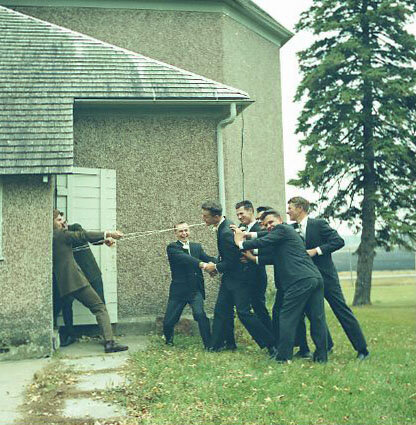
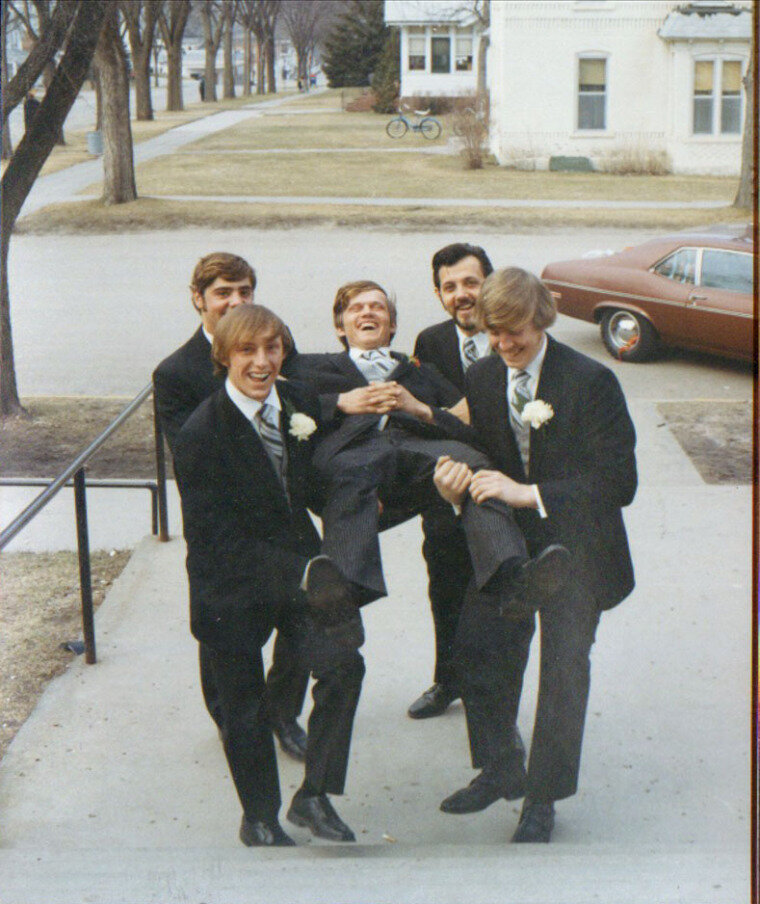
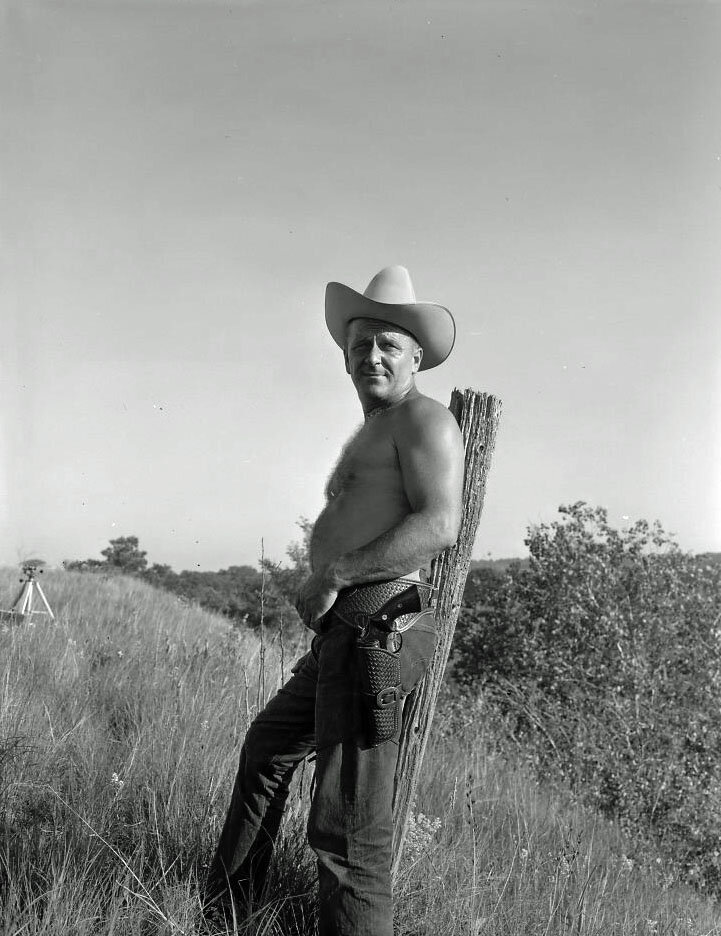
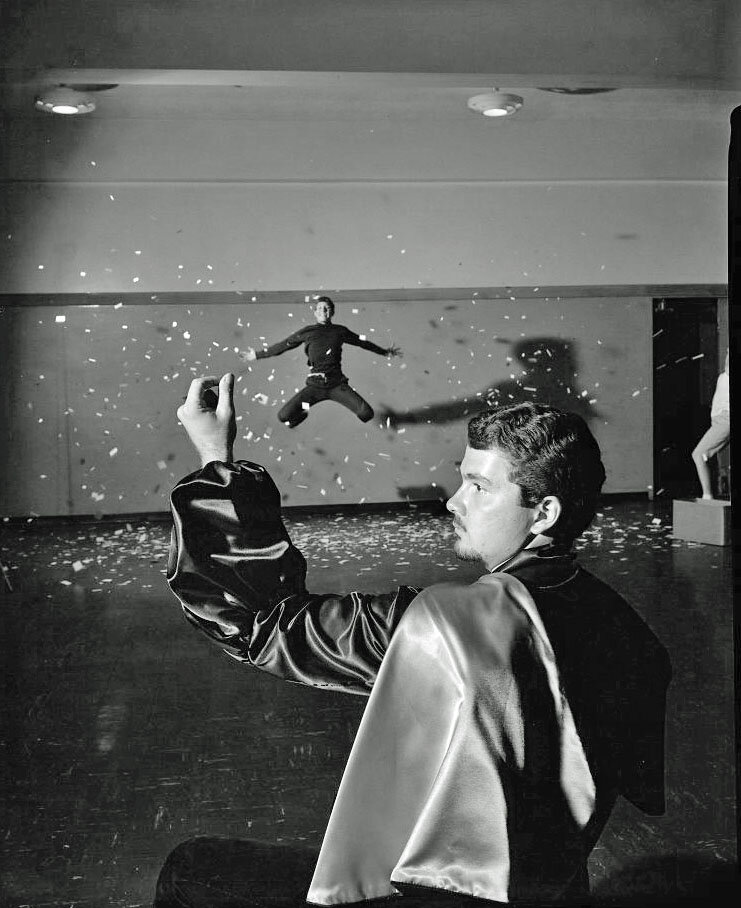
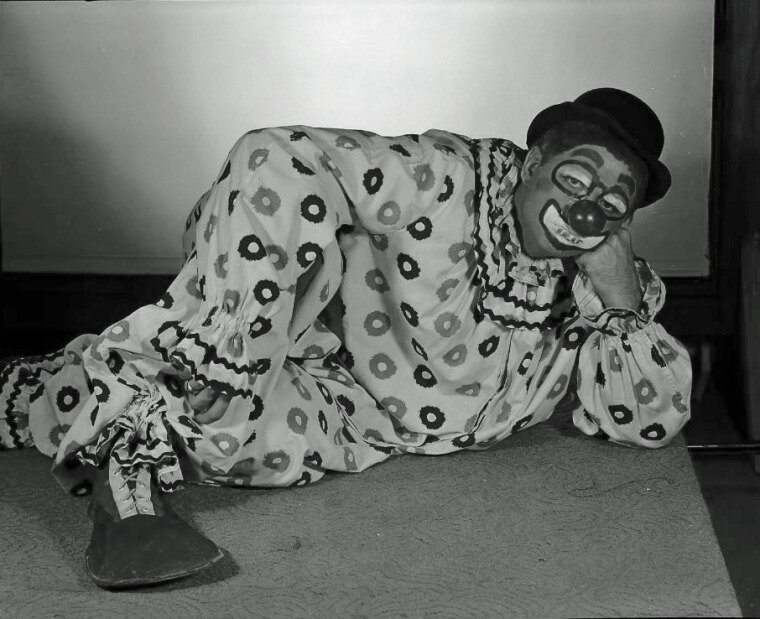
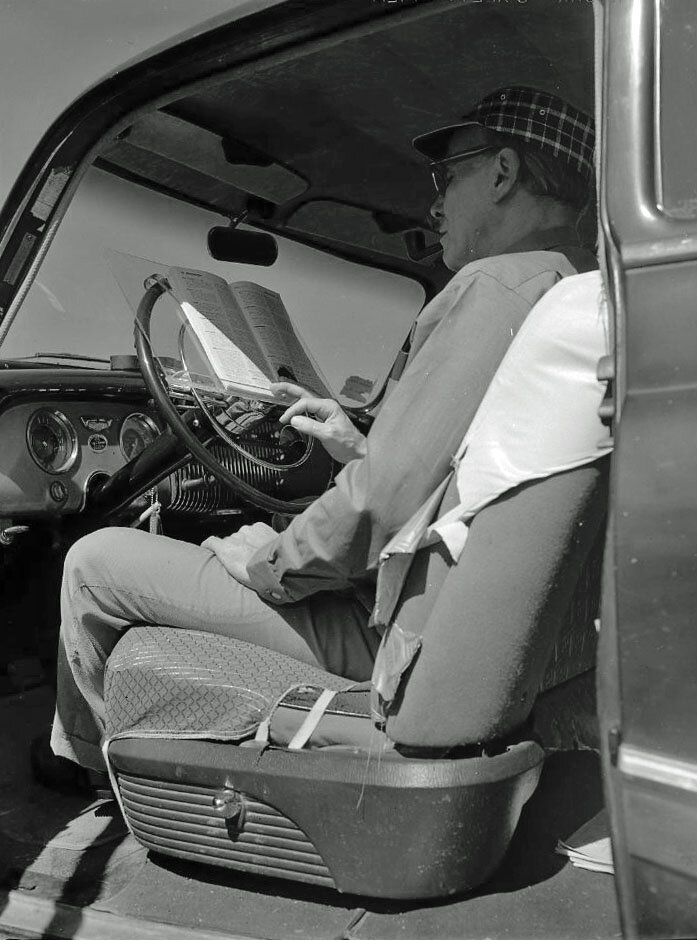
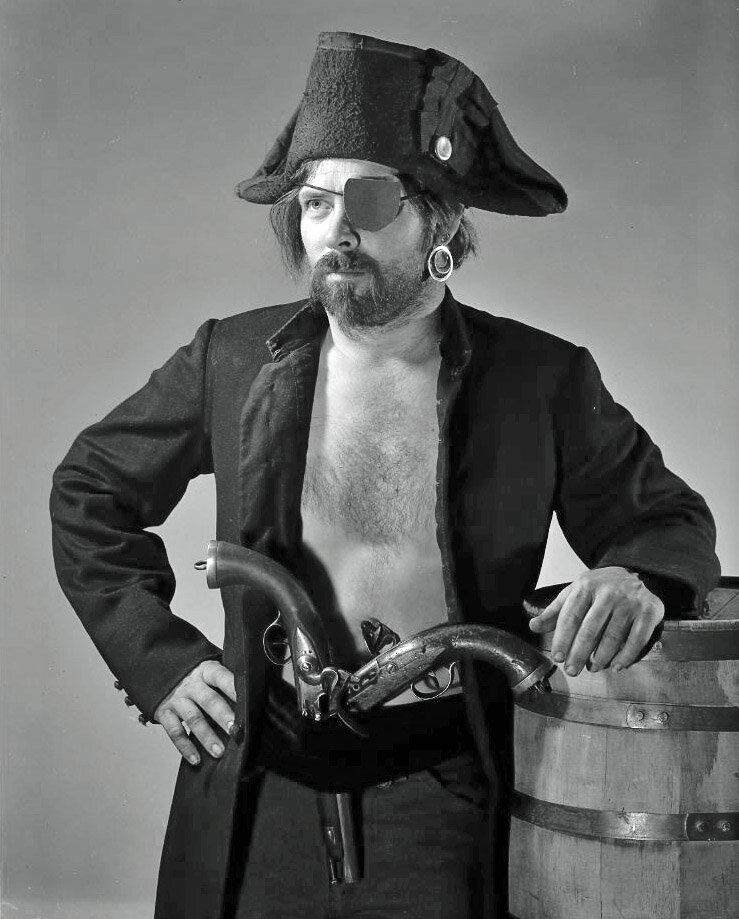
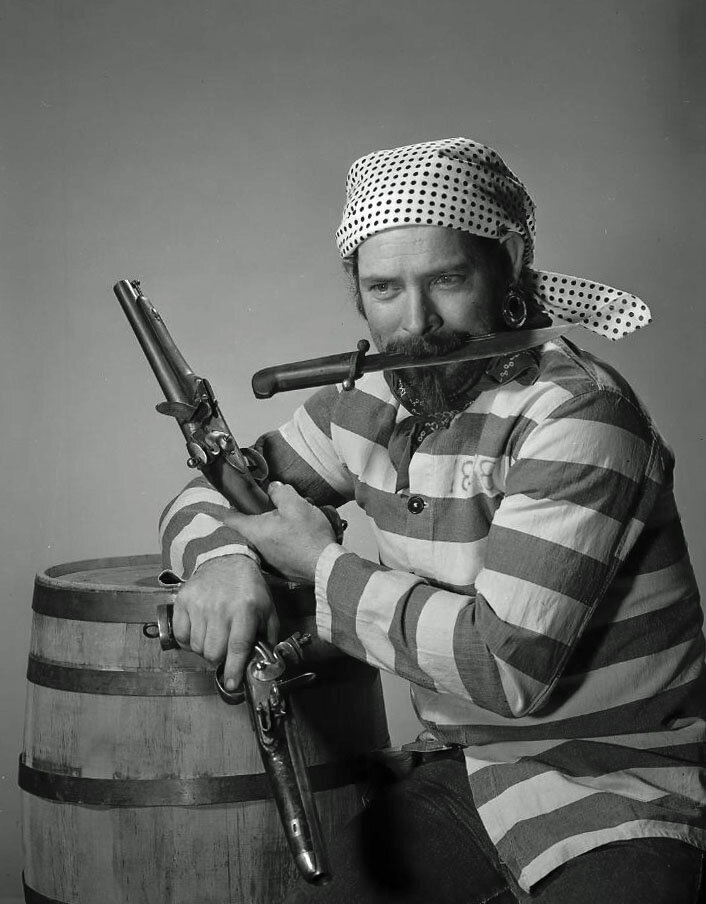
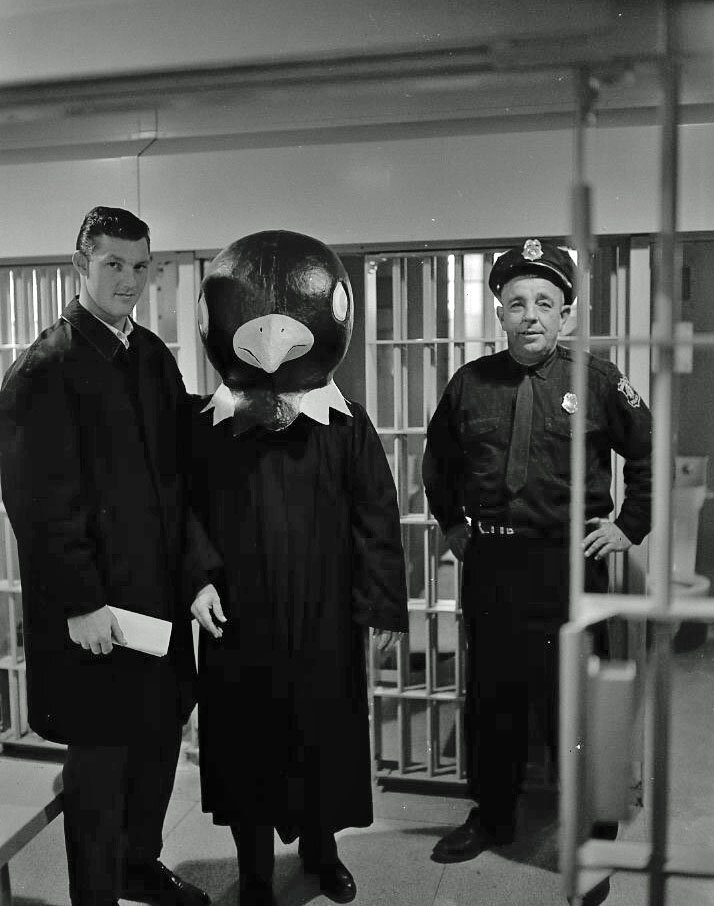
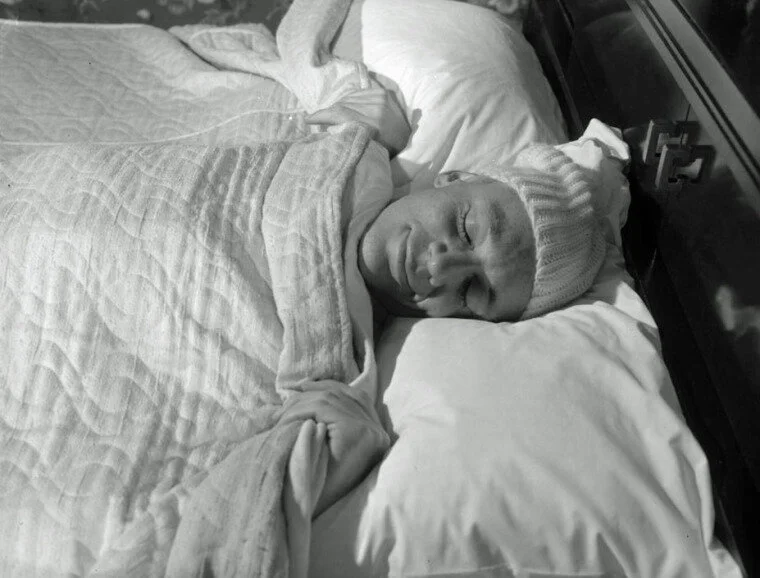
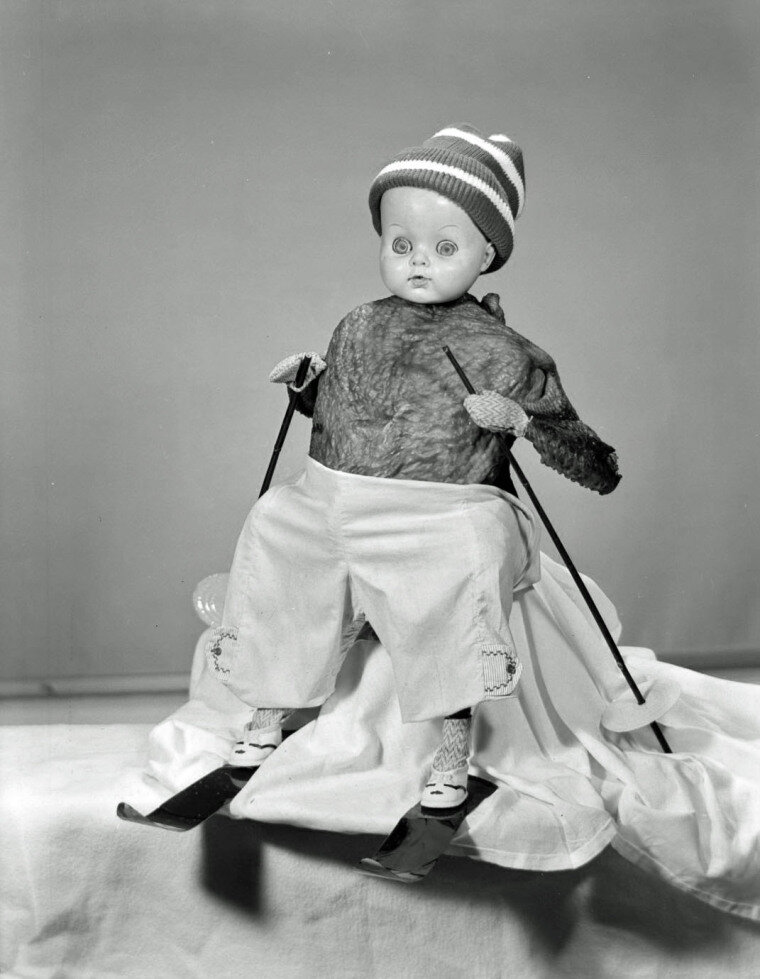
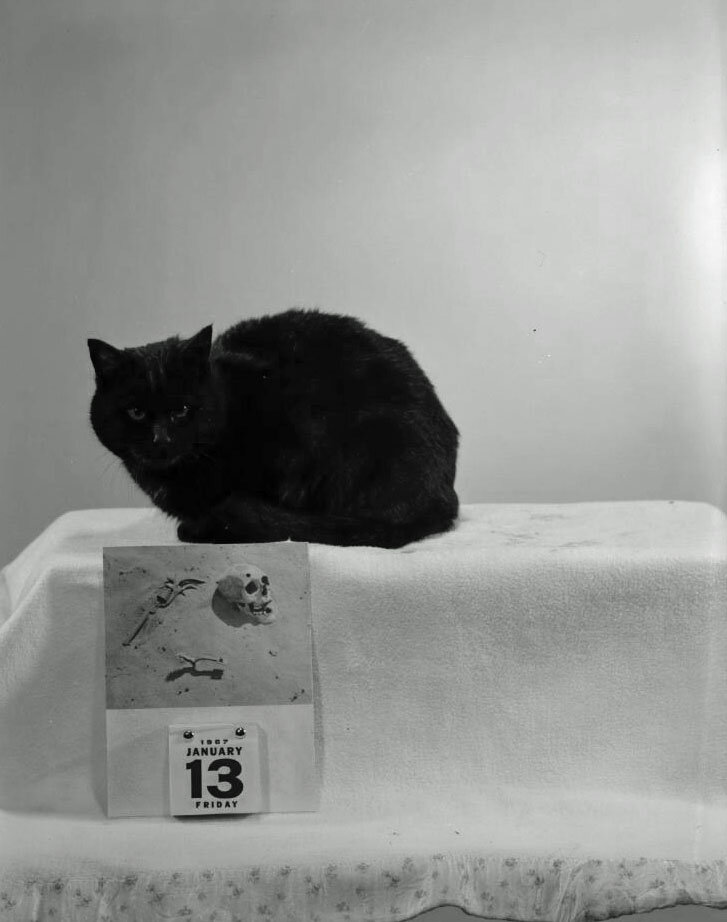
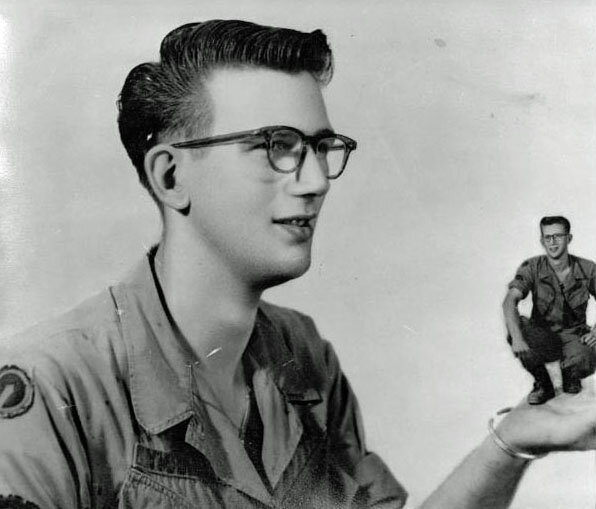
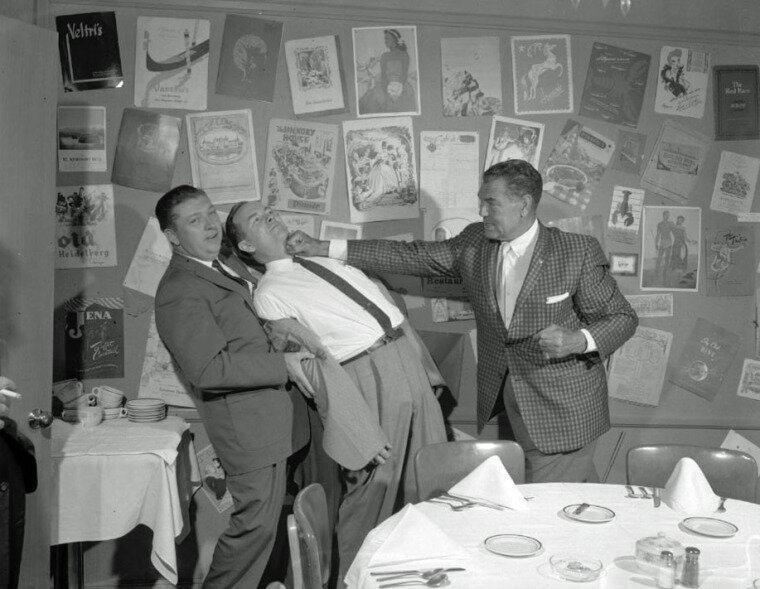
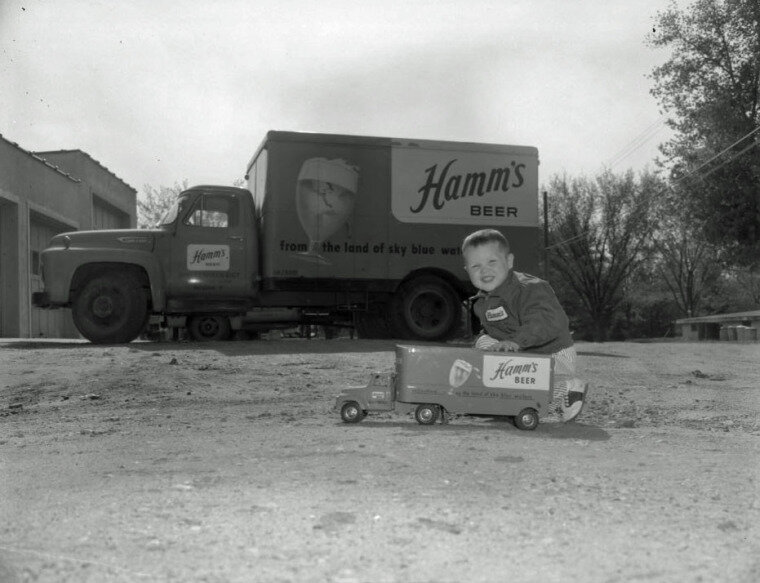
As we finish inventorying our collection of LeRoy Lebens’ photographic work, a whopping 32,617 images, we thought it would be fun to share some of the most entertaining images that we’ve found through the past year. Having taken photos for most everything you could imagine: weddings, portraits, advertising, and nature, just to name a few, Lebens caught a lot of interesting and funny moments. These are only a small selection of what we have found. If you are interested in finding out more about the LeRoy Lebens collection, come by and give us a visit at the Scott County Historical Society.